
Review · MARKET AND COOKING CLASS TOURS
New Delhi: Traditional Indian Cooking Class & Market Visit
New Delhi’s Curry Craft Kitchen Studio is less a formal cooking school than a seat at someone’s family table. Home chef Lubna takes you to a nearby market, then back to her 1974 haveli-style home to cook dishes shaped by family recipes. I like the personal menu planning and the chance to see ordinary Delhi life beyond the main sights. I also like that her husband or family may join the meal.
The main consideration is space and time. The kitchen is described as small, and three hours can pass quickly when you are making several dishes. The market visit also disappears if you choose the breakfast option, so confirm your preferred plan with Lubna before you go.
Key points to know
- A market trip comes first: Take a short ride to a nearby market for produce, spices, groceries, and possibly street food.
- Lubna plans around you: Tell her in advance if you want vegetarian food, a certain dish, breakfast items, snacks, or help with dietary restrictions.
- The menu is generous: The standard class includes three main dishes, three types of bread, one rice dish, and the meal you prepare.
- This is a private home experience: You cook in Lubna’s family home, not in a large commercial studio.
- Spices get proper attention: Learn how spice mixes, oils, breads, and small cooking steps shape Indian food.
- Plan your arrival carefully: The home is in Friends Colony East, near Ashram metro station, Gate 3, behind the HP petrol pump.
A Delhi cooking class that begins at the market
The experience starts at Lubna’s home in A-6 Friends Colony East, a quiet dead-end street in New Delhi. Look for the white house with the red slanting roof. It is about a three-minute walk from Ashram metro station, Gate 3, and the meeting point is behind the HP petrol pump.
From there, you make a short trip to a local market, usually by tuk-tuk or another arranged ride. The ride itself is not included in the $43 price, so keep some money aside for transport and any snacks or shopping you choose to buy.
This market stop is useful because it gives the cooking lesson a real setting. You can see the produce, spices, and everyday groceries that shape the meal instead of meeting every ingredient in neat bowls at the kitchen counter. Lubna can explain what you are seeing and help you find spices that may be difficult to buy at home.
The market is only around ten minutes from the usual sightseeing area, but it offers a different view of Delhi. Depending on the day and shop hours, you might also try street food. One food stop is mentioned as an option, not a guarantee, so treat it as a pleasant extra rather than a promised part of the tour.
If you visit during a busy festival shopping period, the market may feel especially active. That can add color and energy, but it can also make walking and shopping less relaxed. Tell Lubna before the class if you have a strong interest in ingredients, street food, or spice shopping. She can make the market visit more useful for you.
More Market and Cooking Class Tours in India
- Spice Knight (Cooking Class -> Meal -> Local Market walk)
★ 5.0 · 59 reviews - Jaipur Market Tour & Vegetarian Rajasthani Home Cooking Class
★ 5.0 · 113 reviews - Pondicherry: Indian Cooking Class with Market Visit
★ 4.7 · 18 reviews
Tea, plants, and a family home
Back at the house, Lubna welcomes you with chai or tea and water. This small pause matters. You have just come from the street, and the tea gives you time to settle in before cooking begins.
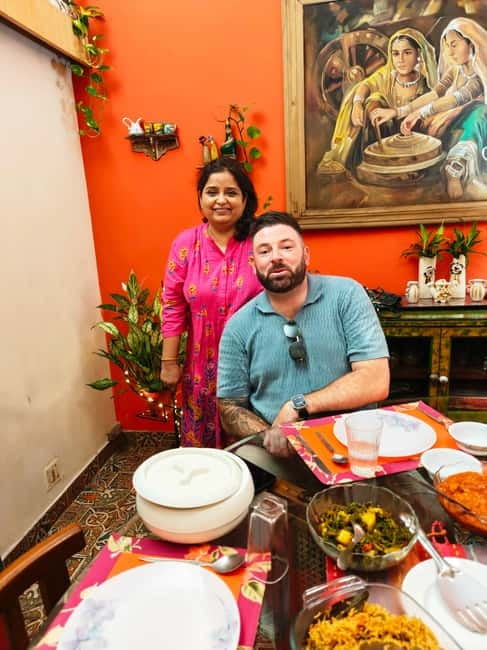
The home is also part of the experience. It is a bed and breakfast with traditional Indian haveli-style details dating from 1974, along with many plants. You are seeing a lived-in Delhi home rather than a purpose-built demonstration kitchen.
That setting gives the class a social side. You may cook with Lubna’s husband or family members nearby, then sit together at the family dining table once the meal is ready. The family presence is not guaranteed for every session, but it is included as a possibility and is one reason this class feels more personal than a standard group lesson.
You may also have time for a short walk around the neighborhood. This is not a guided sightseeing tour, but the area offers a look at daily life away from Delhi’s main monuments and shopping districts. If you are trying to fit the class into a packed sightseeing day, allow enough time for the home visit, market ride, cooking, and meal.
Choosing your menu before you arrive
Lubna encourages you to use WhatsApp before the class to discuss what you want to cook. This is one of the strongest parts of the arrangement. You are not simply handed a fixed menu and told to follow along. You can ask about vegetarian dishes, specific favorites, breakfast food, snacks, or a particular regional style.
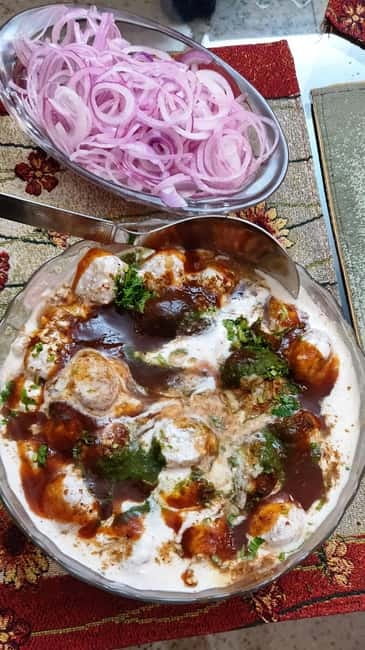
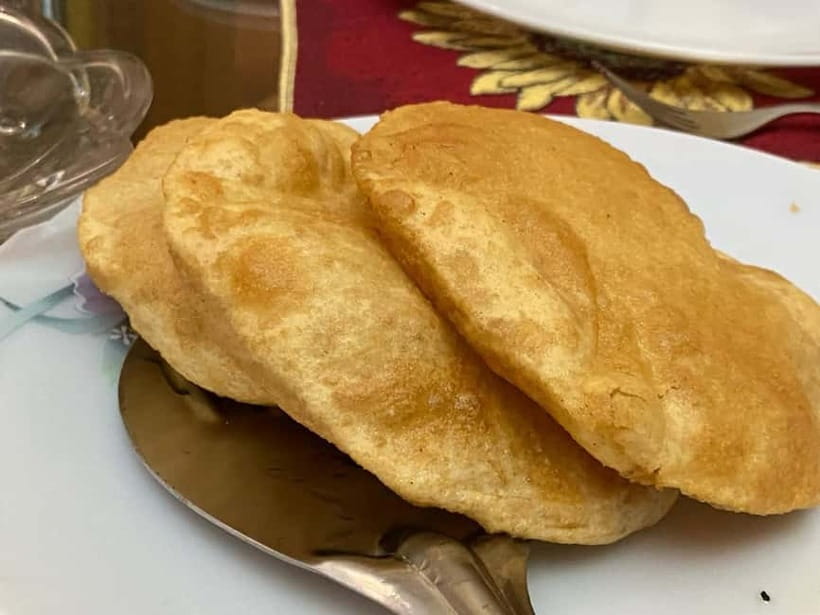
Possible dishes include Rogan Josh, vegetable and chicken kebabs, paneer dishes, dhal, biryani, aloo chaat, poora, samosas, bread pakora, chapatis, paranthas, roti, rice dishes, and desserts. The exact menu depends on your discussion with Lubna, ingredient availability, and the time available.
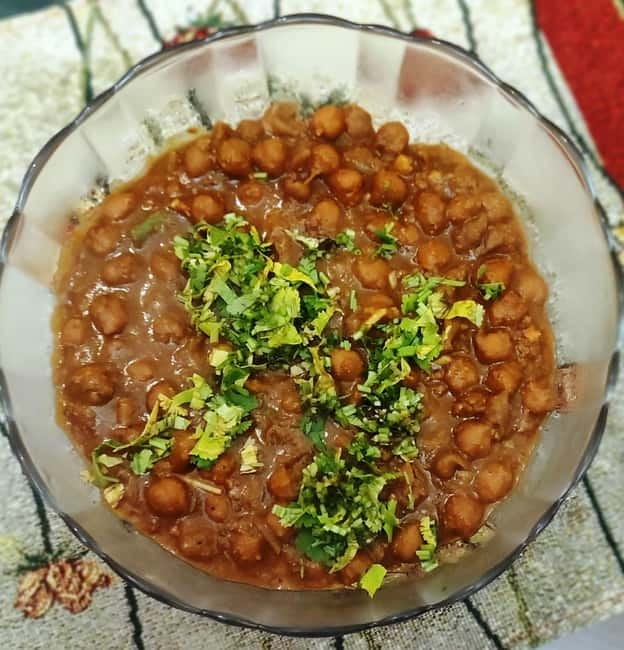
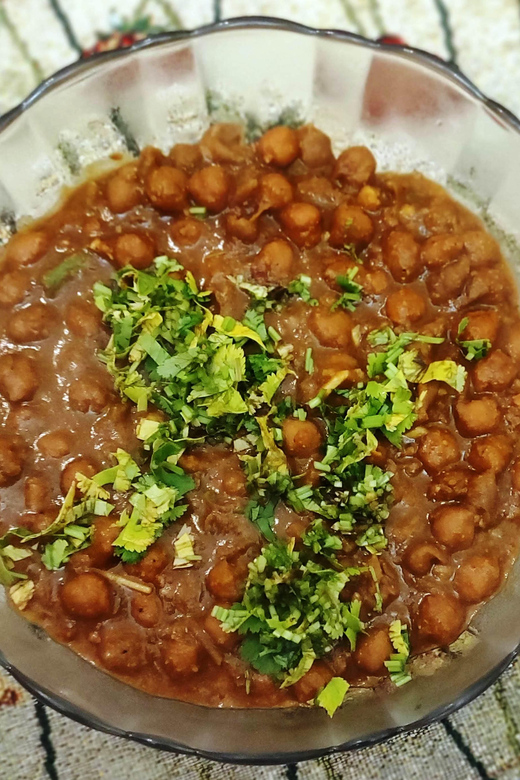
Past menus have included combinations such as paneer nihari, kadhi pakoda, mutton stew, paneer masala, cauliflower and potato starters, potato patties, green chutney, raita, dosa masala balls, and several types of bread. These examples show the range, but they should not be treated as a fixed promise.
The standard inclusion is three main dishes, three bread types, and one rice dish, followed by the meal you made. That is a lot for three hours. You will probably share the work and learn key steps rather than make every component slowly from start to finish.
I recommend choosing dishes with different techniques rather than three similar curries. For example, combine one gravy dish with a bread, a snack, and a rice preparation. You will leave with a broader set of skills and a better sense of how Indian meals fit together.
If your goal is to recreate a favorite dish at home, say so clearly before the appointment. One participant specifically wanted a favorite Indian food and was able to make it. That kind of advance planning is more valuable than arriving with no idea what you want.
Learning spices instead of just following a recipe
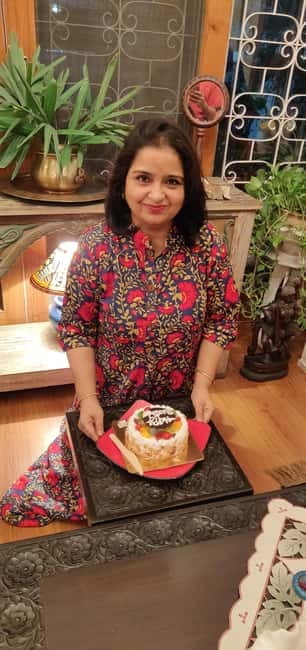
The lesson focuses on how Indian food gets its character. Lubna explains spice blends, oils, aromas, and the small choices that change a dish. You are not only measuring ingredients. You are learning why a dish tastes balanced, how spices are combined, and how breads are handled.
That distinction matters for cooking at home. A recipe can tell you to add spices, but it may not explain how those spices should smell before the next ingredient goes in or how a mixture changes as it cooks. Lubna’s teaching is intended to cover those subtle steps.
You can also ask about ingredients that are hard to find outside India. The market visit is a good time to identify spices and groceries you may want to take home, though any purchases are your responsibility. Check your own country’s food import rules before buying anything for the journey home.
The class is taught in English. It is designed for beginners, but it also suits people who already cook Indian food and want more traditional methods. If you are new to Indian cooking, the private format should make it easier to ask basic questions. If you already know your way around a spice box, ask Lubna to focus on less familiar dishes or techniques.
More Market and Cooking Class Tours in New Delhi:
- Hanoi Cooking Class: Culture, Local Market & Meaning CSR Impact
★ 5.0 · 5,147 reviews - 5 Traditional Dishes Hanoi Cooking Class with Market Trip
★ 5.0 · 4,890 reviews - Cooking Class and Lunch at a Tuscan Farmhouse with Local Market Tour from Florence
★ 5.0 · 4,831 reviews - Chiang Mai: Cooking Class, Market & Thai Herbs Garden Tour
★ 4.9 · 4,824 reviews
Dietary requests and breakfast options
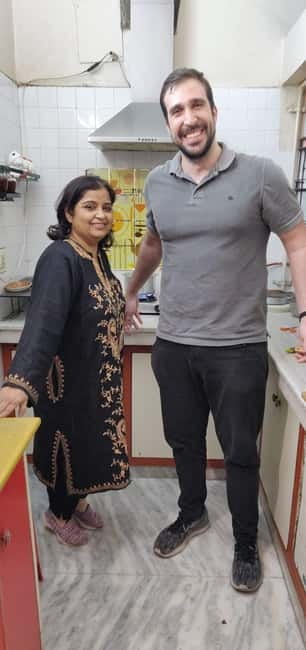
Dietary planning is handled before the class. You should specify vegetarian requirements or any particular dish when you book, then repeat the details in your message to Lubna.
The experience has also been adapted for unusual restrictions. One example involved a visitor who could not eat wheat, dairy, or citrus. Lubna developed dishes using oats as a main ingredient. This does not mean every dietary request can be met, but it shows why early, direct communication is important.
There is also a breakfast-making option. You can ask to learn breakfast dishes, but the market visit would not be possible with that version. If you book the 11 AM start, message Lubna to ask if it can be converted to breakfast preparation or adjusted to focus on snacks.
The usual start times are 11 AM and 4 PM. The morning session may work better for a substantial lunch, while the afternoon class can lead into an evening meal. Confirm the time and menu rather than assuming the default arrangement.
Eating what you prepare
After the cooking, you sit down to eat the dishes made during the class. This is not a quick tasting at the counter. The meal is served around the family table, and Lubna’s husband or another family member may join.
The meal gives you a chance to see how the separate items work together. A bread, rice dish, curry, chutney, and side dish can taste very different when eaten as part of a complete Indian meal. It also gives you time to ask final questions while the techniques are still fresh.
The social setting is a major part of the value. Several accounts describe the home as welcoming and the conversation as relaxed. That does not make the class a substitute for a restaurant meal, nor does it guarantee a long family visit every time. It does mean you should choose this experience for contact and conversation as much as for the food.
Make notes if you want to repeat the dishes later. Recipes for the food you make are provided, and the class is built around helping you cook Indian dishes at home. If a step seems unclear, ask Lubna to repeat it before you leave.
What the $43 price buys you
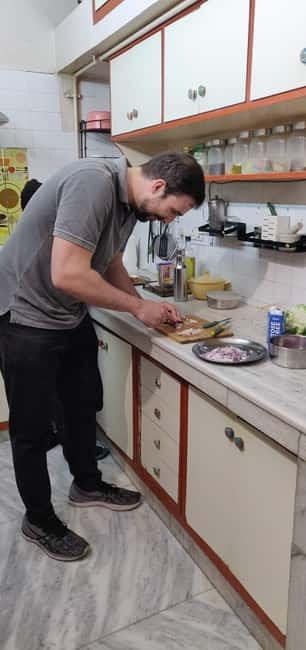
At $43 per person, the price is reasonable for a private three-hour class that includes ingredients, instruction, a market visit, tea or water, and the full meal. You are also paying for access to a home setting and a flexible menu, not just for a standard cooking demonstration.
The value is strongest if you take part actively. Someone who only wants to sit and watch could find the price less compelling. Someone who wants to learn several dishes, ask questions, shop for spices, and leave with recipes gets much more from the session.
Transport to the market, hotel pickup and drop-off, shopping, metro fares, ride-hailing, snacks, insurance, and other personal costs are not included. The home is easy to reach by metro, but you still need to arrange your own route to the meeting point.
The booking terms are flexible. You can cancel up to 24 hours before the class for a full refund, and the reserve-now, pay-later option lets you hold a place without paying immediately. Wheelchair access is listed, but it is still sensible to confirm the details of the home and market route if you use a wheelchair.
Who will enjoy this most
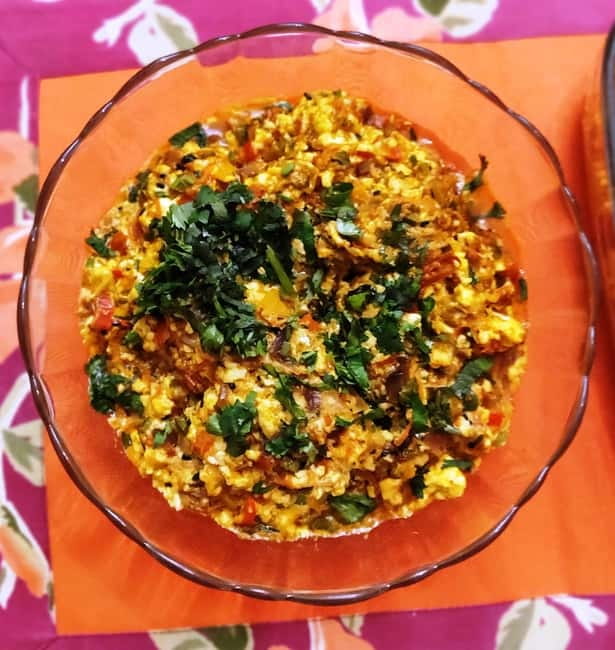
I would choose this class if you want a personal Delhi experience that combines food, a local market, and conversation. It fits people who prefer small private activities over large demonstrations.
It is especially suitable for:
- First-time Indian cooks who want patient instruction
- Experienced home cooks looking for traditional spice and bread methods
- Couples and families who want to make a meal together
- Vegetarians who want a menu planned in advance
- People hoping to learn specific dishes rather than accept a fixed menu
- Visitors interested in seeing a Delhi home and neighborhood
It may not suit you if you want a polished culinary school with professional workstations, a tightly fixed timetable, or a quiet market-free class. The kitchen is small, the menu is flexible, and family interaction can be part of the afternoon. Those are strengths for some people and limitations for others.
Practical details before booking
The class lasts three hours and is offered once per day. Start times are generally 11 AM or 4 PM, but tell Lubna which time you prefer.
The class is a private group experience, with English instruction. The meeting point is A-6 Friends Colony East, New Delhi 110065. Use the full address in your map app, then look for the red-roofed white house behind the HP petrol pump.
Bring comfortable clothes suitable for cooking, and avoid arriving with a completely fixed menu unless you have already discussed it. Tell Lubna about dietary needs, favorite dishes, and your cooking level in advance.
The class has a perfect overall rating from 32 recorded reviews, and transport received a 93 percent perfect score. More important for your decision, the praise consistently centers on the same things: Lubna’s warm hosting, clear explanations, flexible menu planning, the market visit, and the tasty meal shared at home.
Should you book Lubna’s Delhi cooking class?
Book it if you want to learn Indian food in a personal home setting and you value the market visit as much as the cooking. The combination of spice instruction, a flexible menu, family dining, and recipes to take home gives the $43 price solid value.
Before confirming, message Lubna with your preferred start time, dietary needs, and two or three dishes you would like to learn. If you want breakfast, ask specifically about that version because it replaces the market visit. With those details settled, this is a strong choice for a food-focused day in New Delhi.
FAQ
Where does the cooking class meet?
It meets at A-6 Friends Colony East, New Delhi 110065. The home is behind the HP petrol pump, about a three-minute walk from Ashram metro station, Gate 3. Look for the white house with a red slanting roof on a quiet dead-end street.
How long does the experience last?
The cooking experience lasts three hours.
What time does the class start?
The class starts at either 11 AM or 4 PM. You should state your preferred time when booking.
Is the market visit included?
Yes, the standard experience includes a visit to a local market about a ten-minute ride from typical tourist areas. Transport costs, shopping, snacks, and other personal expenses are not included.
Can I request vegetarian food or a certain dish?
Yes. Lubna asks you to specify dietary needs and particular dishes in advance. You can also discuss breakfast or snack-focused cooking with her.
What food is included?
The class includes all ingredients, three main dishes, three types of bread, one rice dish, tea or water, and the meal you prepare. Recipes for the dishes are also provided.
Just added around New Delhi
- Old Delhi: Khari Bawli – Asia’s Largest Spice Market★ 5.0 · 3 reviews
- Old Delhi Street Food and Spice Market Tour★ 5.0 · 12 reviews
- Old Delhi Temples and Spice Market Tour★ 5.0 · 5 reviews
- Delhi: Half-Day Old Delhi Private Guided Tour with Markets★ 5.0 · 2 reviews
- Delhi Markets: A Cultural Shopping Experience with an Expert★ 4.8 · 13 reviews
- Delhi: Old Delhi’s Street Food, Temples & Spice Market Tour★ 5.0 · 30 reviews
- Old Delhi & Spice Market Tour★ 5.0 · 98 reviews
- Old Delhi Odyssey: A Tour of Religion, Spice Market, & Best Food★ 5.0 · 284 reviews
Market and Cooking Class Tours, compared.
Hanoi Cooking Class: Culture, Local Market & Meaning CSR Impact
Read our review →
5 Traditional Dishes Hanoi Cooking Class with Market Trip
Read our review →
Cooking Class and Lunch at a Tuscan Farmhouse with Local Market Tour from Florence
Read our review →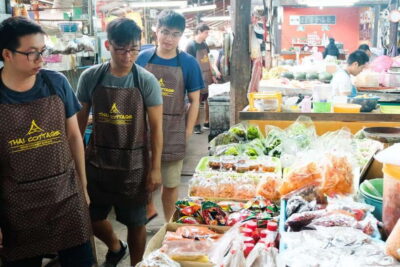
Cooking Class, Market & Thai Herbs Garden Tour
Read our review →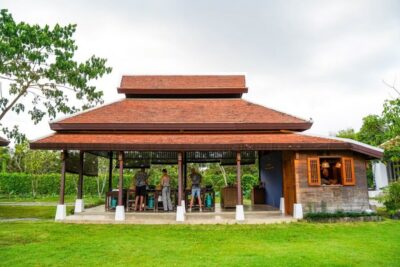
Authentic Cooking Class with Market & Farm Visit
Read our review →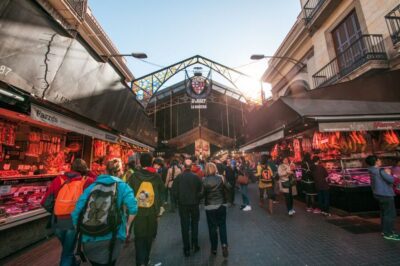
Paella Cooking Experience & Boqueria Market Tour
Read our review →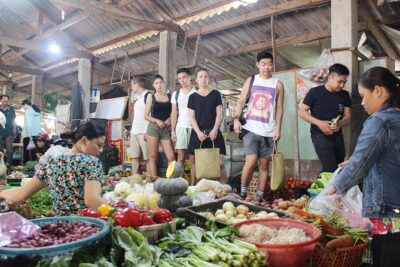
Cooking Class Hoi An:Local Market, Basket Boat, Fishing & Cooking
Read our review →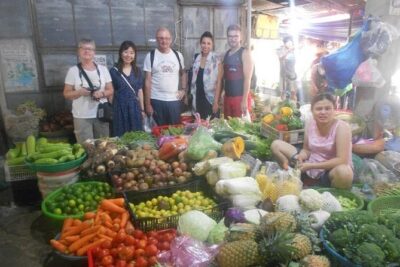
Hoi An Cooking Class(Market,BasketBoat Crabfishing&Cooking Class)
Read our review →Browse the lists this tour appears in