
Review · PRIVATE MARKET TOURS
Bangkok: Private Old Quarter, Night Street Market, Temples
Bangkok’s old Chinese quarter is best understood on foot, one shrine, alley, market, and canal at a time. This private walk takes you from Talat Noi street art to Yaowarat’s food stalls, then onward to the flower market, Wat Liap, and the Chao Phraya River. It gives you small-scale city scenes as well as famous sights such as the Golden Buddha.
I like the personal format, since your guide can adjust the pace and explain details that are easy to miss. I also like the mix of Talat Noi’s old lanes and Yaowarat’s nighttime food rather than a tour focused only on major temples. The main drawback is timing: Monday is a poor choice because Chinatown Market is closed, and the walk toward the flower market can feel long on a quiet day.
Key points to know before booking
- Talat Noi opens the tour with street art, old Chinese roots, and local shrines.
- The private format costs $76 for up to three people, making it better value for a small group than for one person traveling alone.
- Wat Traimit’s Golden Buddha and Kuan Yim Shrine provide the tour’s most famous religious sights.
- Yaowarat Night Market is the food center of the walk, with Chinese and Thai dishes, snacks, spices, and sweets.
- Monday visits are less appealing, since the Chinatown Market is closed and some streets may feel unusually quiet.
- Comfortable shoes are essential, and large bags or luggage are not allowed.
Why this walk makes sense in Bangkok
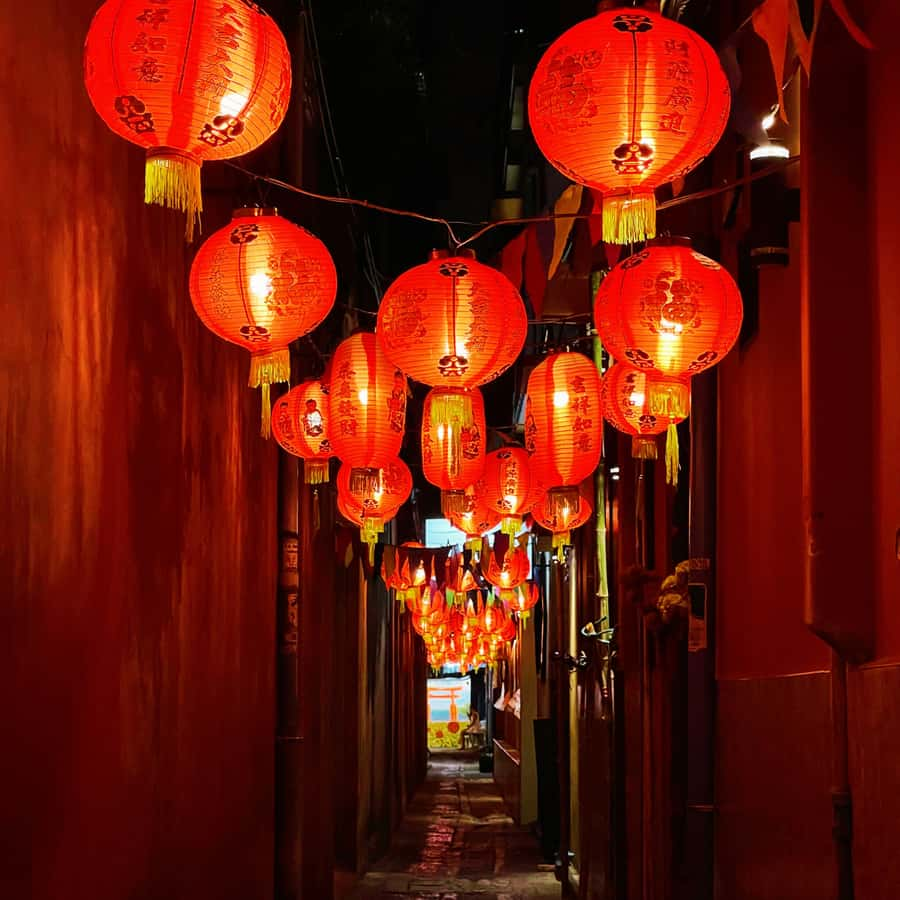
Bangkok’s Chinatown can feel confusing at first. Big roads, narrow lanes, shrines, food stalls, shops, canals, and traffic all meet in a compact area. A private guide gives you a clear route through it without forcing you to spend half the evening checking a map.
The route also gives you more than a succession of temple entrances. You see how Chinese religious traditions, Thai architecture, old commercial streets, contemporary art, and river life sit close together. I like that balance. You get the famous Golden Buddha, but you also get Rong Kueak Shrine, Talat Noi’s painted walls, and the ordinary streets between the sights.
This is a walking tour, not a food tour with unlimited tastings and not a standard temple circuit. Food is part of the experience, but the cost of dishes is not included. You can look, smell, and choose what appeals to you at Yaowarat, or ask your guide for help with the local food scene.
The tour lasts three hours and costs $76 for a private group of up to three people. For three people, that works out to about $25 per person. For one person, it is a much higher price, though you get a guide focused entirely on your interests. Guides including Natty, Patt, and Tini have been praised for friendly company, clear explanations, and flexible tours.
More Private Market Tours in Bangkok
- Private Excursion to Maeklong Railway and Floating Markets
★ 5.0 · 850 reviews - Floating and Railway Market (Optional Waterfall): Private Tour
★ 5.0 · 827 reviews - Private Excursion to Floating Market and Ayutthaya World Heritage
★ 5.0 · 515 reviews
Talat Noi begins with Bangkok’s older side
You meet your English-speaking guide in front of The House by Hongkong House, then walk toward Talat Noi. The first section sets the tone: this is not just a parade of famous buildings, but a look at a neighborhood shaped by generations of Chinese settlement.
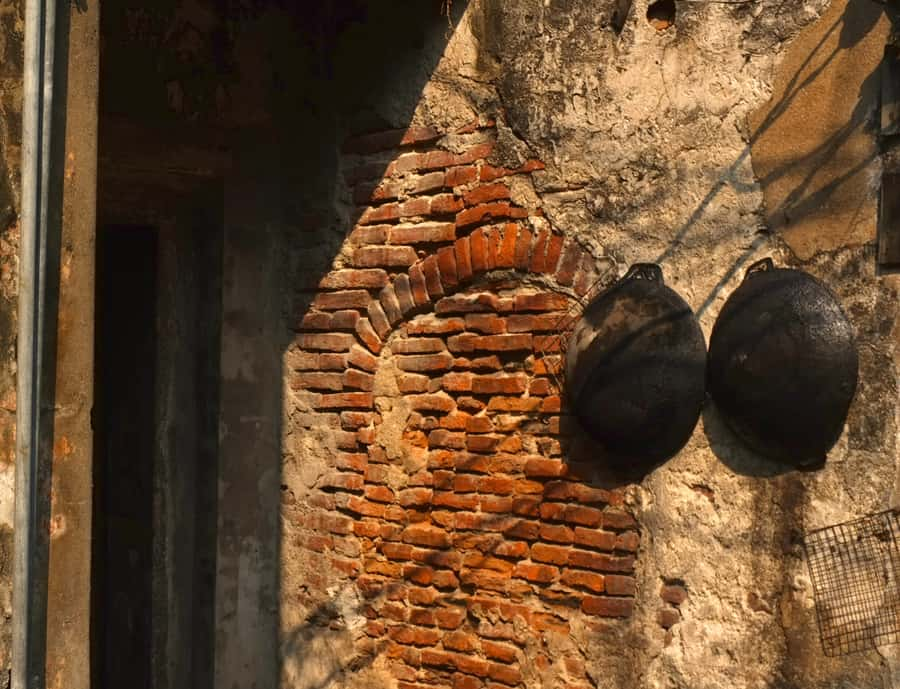
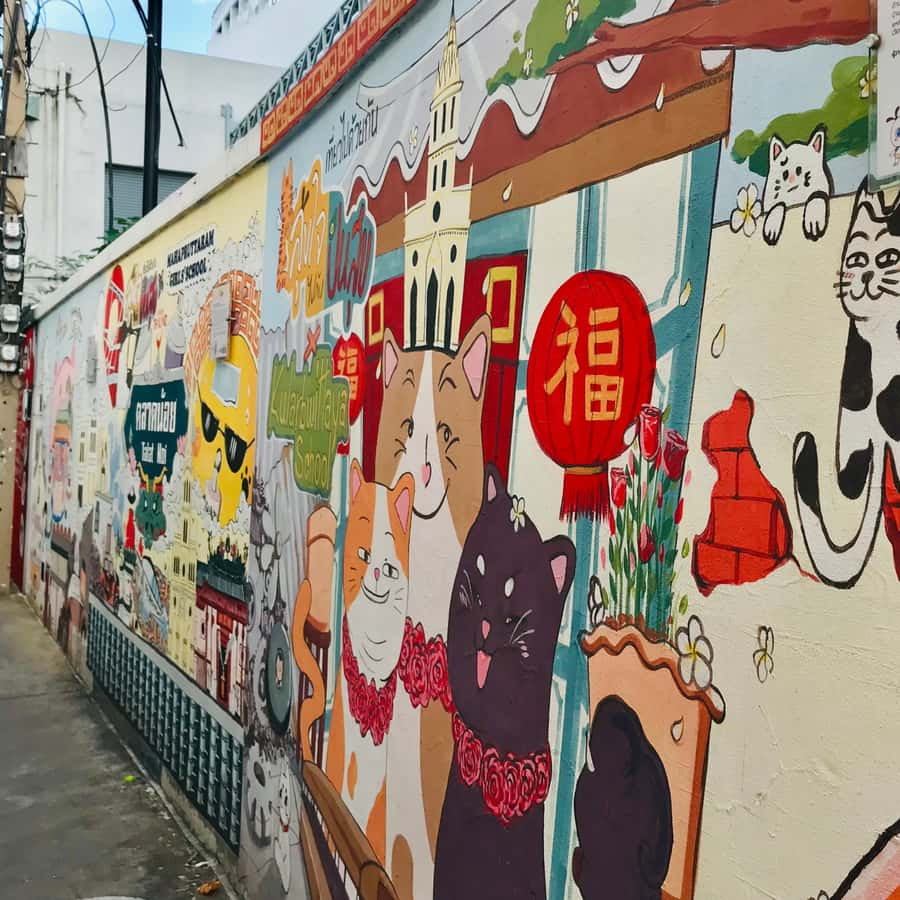
Talat Noi is known for narrow lanes and street art. Painted walls add a modern layer to old shopfronts, shrines, and residential corners. The artwork gives you easy landmarks, but the real value is seeing how local life continues around it. You should expect a walking environment that feels close and irregular, with little lanes rather than broad sightseeing avenues.
Holy Rosary Church is an early stop. Its presence adds another part of Bangkok’s religious story to a route otherwise focused heavily on Chinese and Thai traditions. The scheduled walk here is about 15 minutes, so expect a brief introduction rather than a long church visit.
At Rong Kueak Shrine, your guide can explain the local Chinese connection and the role of shrines in neighborhood life. The route also includes Chao Mae Shrine, where you see more of the blend between Chinese beliefs and Bangkok’s wider religious culture. These smaller stops are useful because they show how worship fits into the daily fabric of the district, not just how grand temples look in photographs.
Rong Kueak Shrine and Chinatown’s layered identity
The route then moves toward Chinatown proper. Rong Kueak Shrine receives about 20 minutes, followed by a short guided look at Chinatown itself. This is a good point to ask questions about the area’s Chinese roots, changing streets, and the way old buildings sit beside newer businesses.
Chinatown is not one single atmosphere. Some stretches are crowded and loud, while side streets can feel calm and residential. That contrast is one reason I prefer seeing the area with a local guide. You are not simply sent down the main road and told to take pictures. You can pause at details that interest you, and the guide can explain what you are seeing.
The route is especially useful for first-time visitors who want context without signing up for a full-day tour. Three hours is enough to get a strong introduction, but not enough to explore every lane or linger at every shrine. Keep your expectations realistic: this is a compact overview with several stops, not an unhurried archaeological study.
Wat Traimit and the Golden Buddha
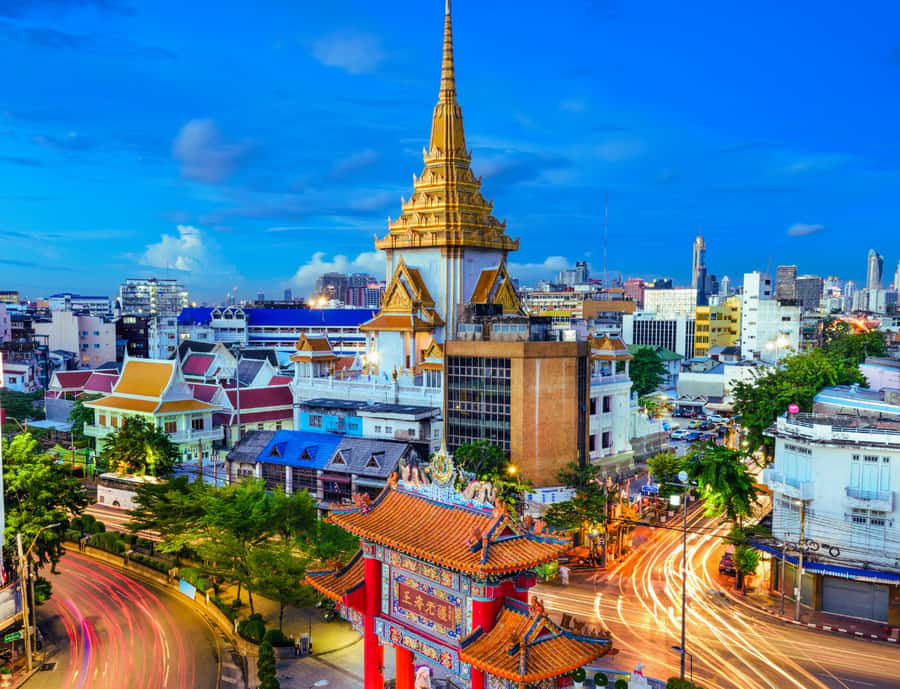
Passing through Chinatown Gate, you reach Wat Traimit, home to the world’s largest golden Buddha statue. The visit is listed as a 15-minute photo stop, so the emphasis is on seeing and photographing the major sight rather than spending a long period inside the temple complex.
The Golden Buddha is the most instantly recognizable stop on the route. It gives the tour a major Bangkok landmark after the more intimate scenes of Talat Noi. The change in scale works well. You begin among small lanes and neighborhood shrines, then reach a site with a much larger public profile.
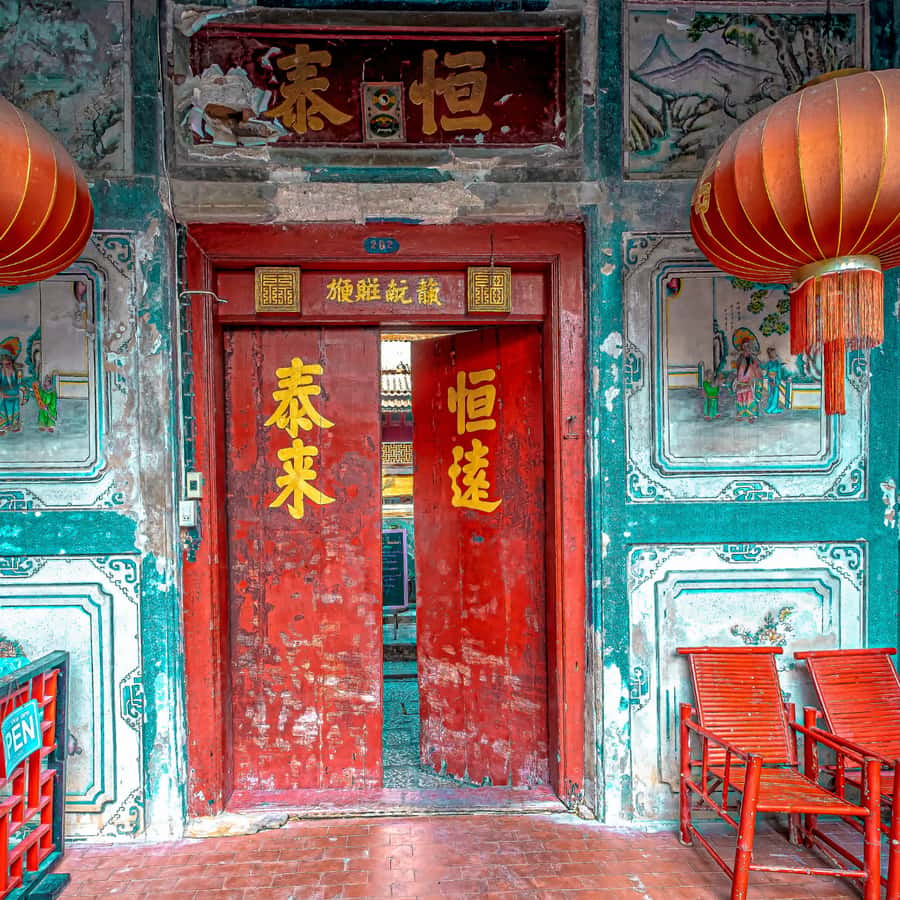
Nearby, Kuan Yim Shrine offers a calmer pause. Kuan Yim is associated with mercy, and the shrine’s detailed decoration adds a distinctly Chinese religious character to this part of Chinatown. The planned visit lasts about 30 minutes, making it one of the more substantial stops.
I would pay attention here to the contrast between the two religious sites. Wat Traimit presents a famous monumental object, while Kuan Yim Shrine gives you a closer look at devotional spaces and decorative detail. Together, they help explain why Chinatown feels different from Bangkok’s royal and central temple areas.
More Private Market Tours in Thailand
- Private Tour to Railway Market and Damnoen Saduak Floating Market
★ 5.0 · 200 reviews - Private Tour: Floating Markets of Damnoen Saduak Cruise Day Trip from Bangkok
★ 3.5 · 199 reviews - Floating Market & Train Market Private Tour(Premium Service)
★ 5.0 · 112 reviews - Maeklong Railway & Floating Market Tour (Private & All-Inclusive)
★ 5.0 · 108 reviews
Yaowarat after dark, where food becomes the main event
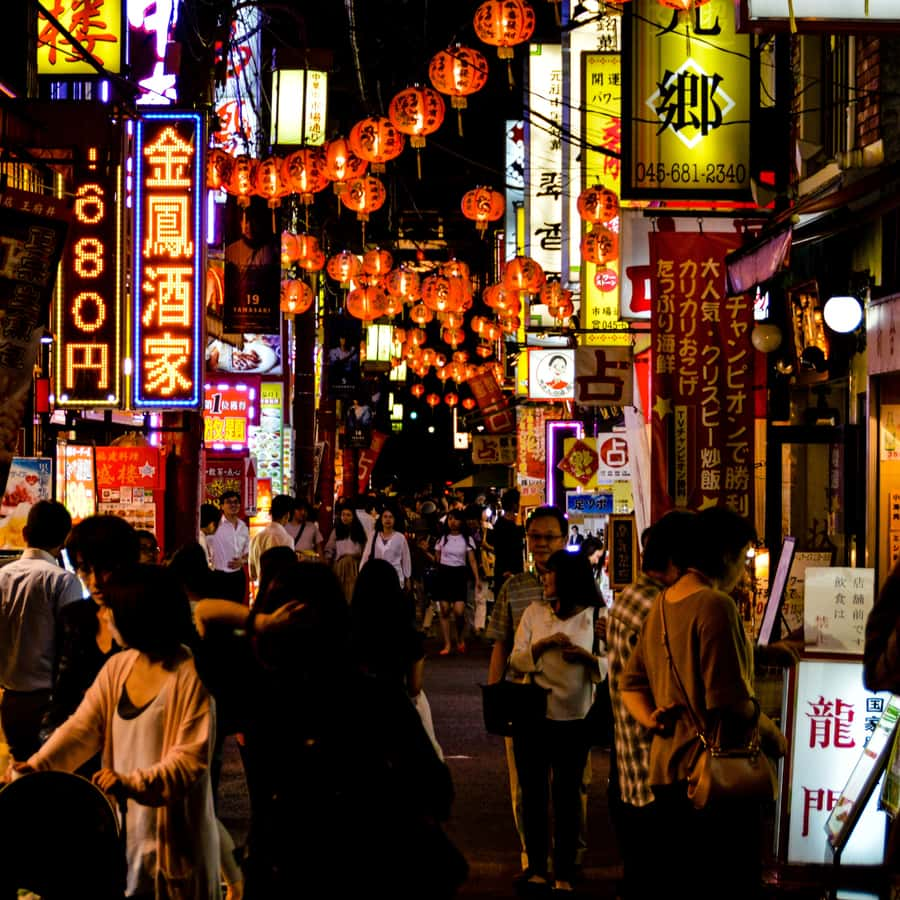
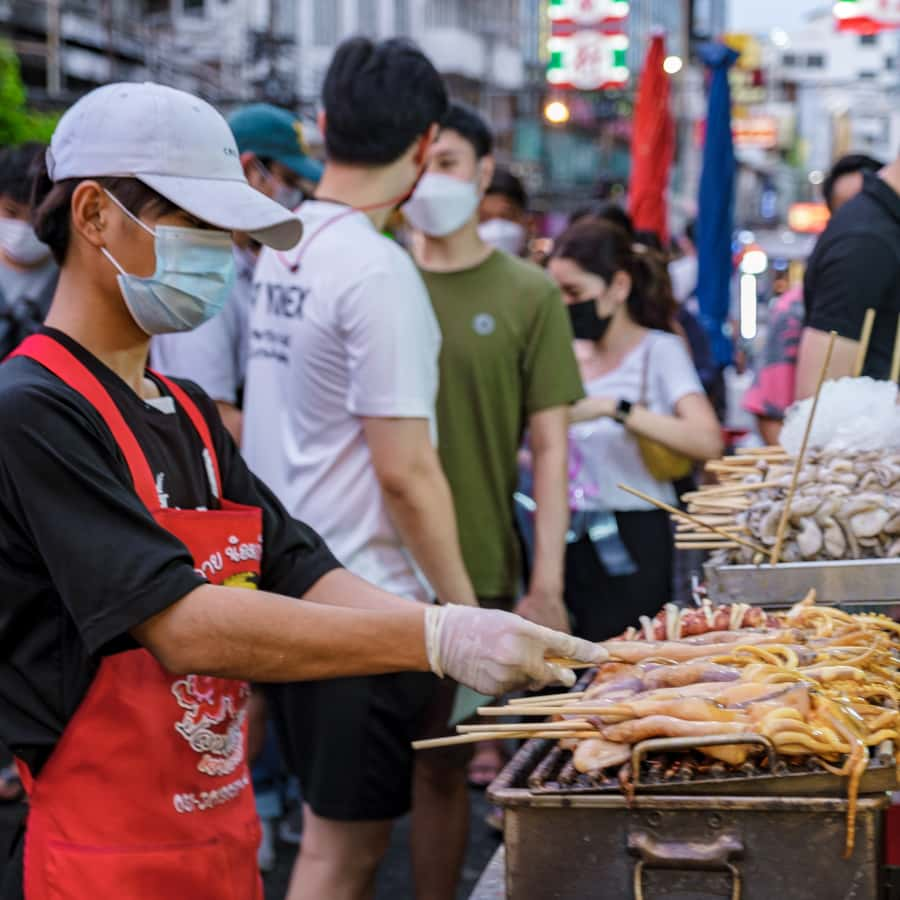
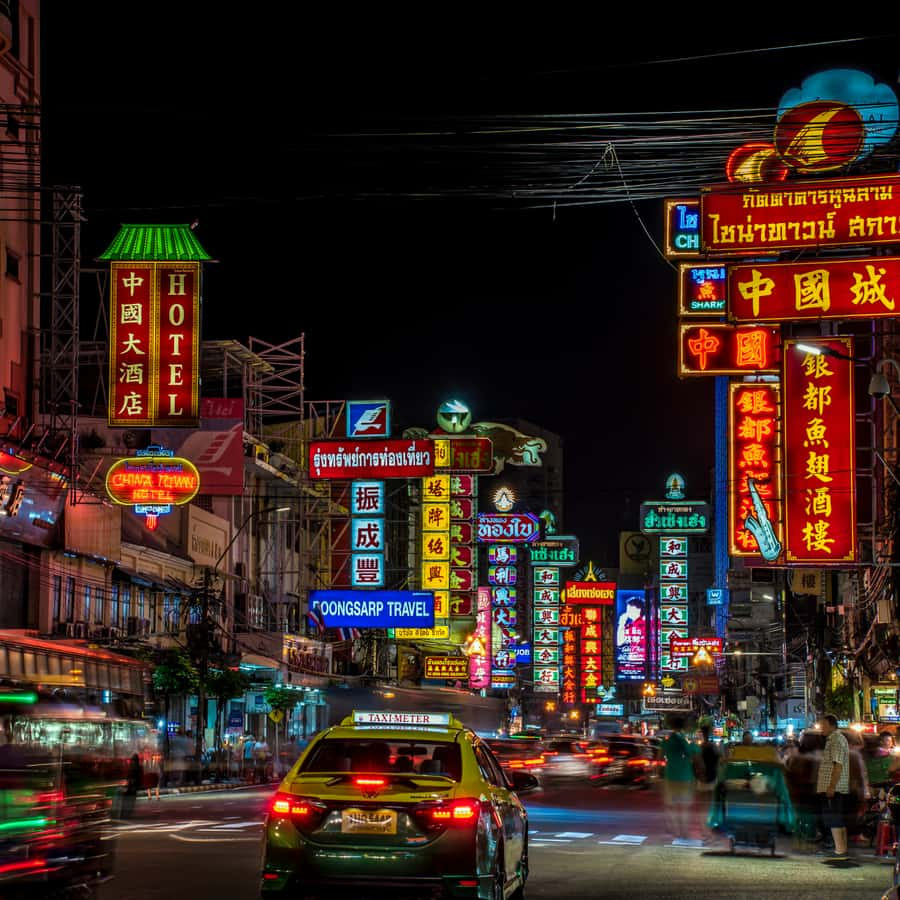
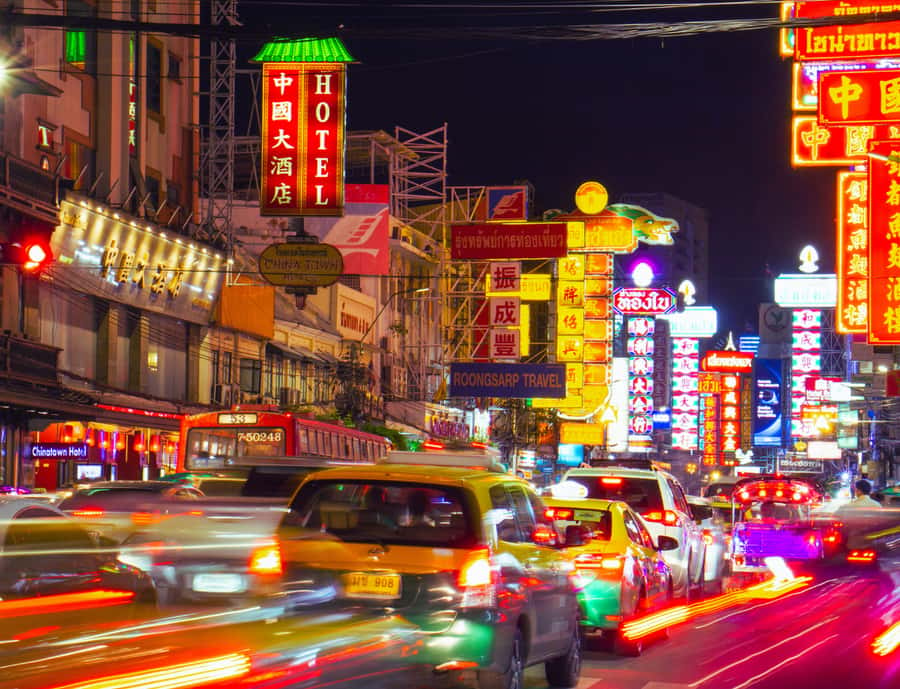
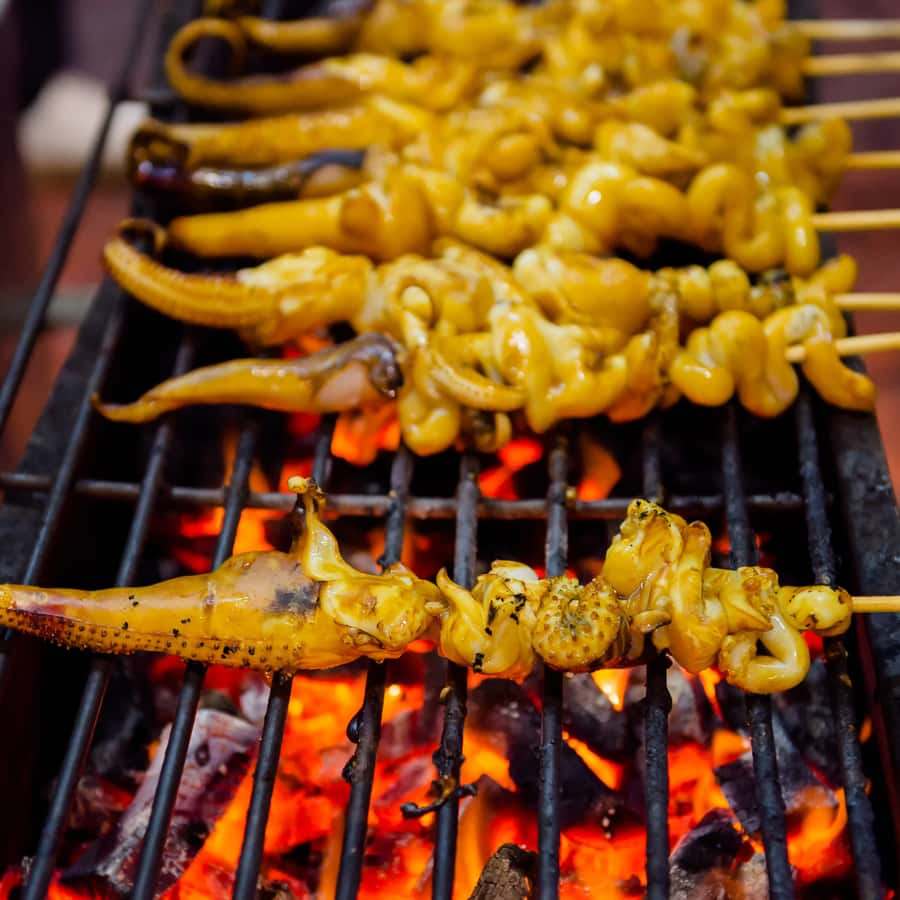
Yaowarat Street is the tour’s most energetic section. This is Chinatown’s main thoroughfare and the place to focus on food, signs, aromas, and the movement of evening trade. The guided walk lasts about 30 minutes.
You can expect Chinese and Thai dishes, dim sum, pastries, herbs, spices, and other market foods. The tour price does not list meals or tastings as included, so bring money if you want to sample something. I would avoid arriving with a fixed meal plan. The better approach is to see what looks appealing, then ask your guide what may suit your taste.
This is also where the tour’s timing matters most. A night market is best when the area has its full evening energy, but Chinatown Market is closed on Mondays. One person who took the tour on a Monday found some parts too quiet, with empty streets and closed businesses. I would choose another day if Yaowarat food stalls are a central reason for booking.
The market is not only about eating. You will also see goods for sale, old commercial buildings, and the constant overlap of local errands with sightseeing. That everyday activity is what gives Yaowarat its appeal. Just keep your bag small, since large bags and luggage are not allowed.
Ong Canal offers a short break from the main road
The route takes a detour toward Ong Canal, a quieter waterway away from Yaowarat’s main traffic and food stalls. This section gives you a different view of Chinatown, with traditional ways of living set close to the city’s busiest commercial streets.
I like this pause because it changes the rhythm of the tour. After shrines, traffic, and market smells, the canal provides a calmer stretch for looking around and listening. You may see the older side of the district more clearly here, although the tour does not promise a long canal cruise or boat ride. It is a walk along the waterway.
The canal also helps explain the route’s larger idea: Bangkok’s old neighborhoods were shaped by water, trade, migration, and religion. You do not need a long lecture to see that the city grew in layers. A short stop beside the canal makes the contrast plain.
Pak Khlong Talat adds color and scent
From Chinatown, the walk continues toward Pak Khlong Talat, Bangkok’s flower market. This is one of the route’s most colorful stops, with cut flowers and market activity creating a strong change from the food streets.
The planned visit lasts about 30 minutes. You can look at the flowers, watch the market work, and enjoy a sensory change after Yaowarat. The market is a useful stop for photographers, but it also gives you a look at a different kind of urban commerce. Here, the focus is not on shrines or prepared food, but on flowers moving through the city.
There is one practical concern. The route to the flower market can feel long on foot, especially on a quiet Monday or in Bangkok’s heat. One useful suggestion from the tour experience is that a taxi or tuk-tuk would make this section easier, but transportation is not listed as included. If you have limited stamina, ask your guide early whether the route can be adjusted. The tour is not suitable for people with mobility impairments.
Wat Liap brings a quiet temple finish
Near Pak Khlong Talat, you visit Wat Ratchaburana Ratchaworawihan, commonly called Wat Liap. The planned temple visit lasts about 20 minutes.
This temple is a welcome change after the noise of Yaowarat and the activity of the flower market. Its quieter setting lets you focus on architecture and atmosphere. I would treat it as a moment to slow down rather than another major photo stop.
Wat Liap also gives the route a useful ending point before the river. The tour has moved from local lanes to famous Chinatown landmarks, then through markets and a canal, and finally to a more peaceful temple. That range makes the three-hour format feel full without making every stop feel identical.
As with any temple visit, your guide can explain what matters locally, but the supplied details do not specify dress rules or interior access. Wear sensible clothing and follow instructions at the site.
Memorial Bridge closes the route by the river
The final stop is Memorial Bridge, where you can look across the Chao Phraya River and take in city views. It gives the walk a broad finish after hours spent in close lanes and market streets.
This is a good place to orient yourself. You have seen Bangkok at neighborhood level, and now the river helps put those districts into a larger picture. The guide can help you reach your preferred destination or hotel after the tour, which is useful if you are unsure how to continue from the bridge.
Do not expect a long river cruise. The stop is for views and a final look at the city, not a boat excursion. Still, it is a satisfying way to end a route built around Bangkok’s old quarter.
Who will get the most from this private tour
I would recommend this experience to a first-time Bangkok visitor who wants a guided introduction to Chinatown but does not want to spend a full day sightseeing. It also suits couples, friends, or a family group of up to three who value a private guide and can share the fixed price.
The tour is a good fit if you enjoy:
- Walking through older neighborhoods rather than visiting only major monuments
- Asking questions and changing the pace with a private guide
- Combining street art, shrines, food markets, flowers, temples, and river views
- Seeing both famous places and smaller local sites
- Exploring in the evening, when Yaowarat is most active
I would think twice if you dislike walking, need step-free access, carry large bags, or want a food tour with meals included. The route covers a lot in three hours, and the walk toward Pak Khlong Talat may feel tiring.
Wear comfortable shoes and keep your belongings light. You receive a text message or WhatsApp message three hours before the start, so watch for the meeting instructions. The tour is offered in English, and cancellation is free up to 24 hours before departure. You can also reserve now and pay later.
Should you book this Bangkok Chinatown walk?
Book it if you want personal guidance through Talat Noi and Chinatown, especially if this is your first visit to Bangkok. The combination of street art, Rong Kueak Shrine, Kuan Yim Shrine, the Golden Buddha, Yaowarat, the flower market, Wat Liap, and Memorial Bridge gives you a strong sense of the area in a short time.
Choose a day other than Monday if possible. That single choice should make the market portion more useful and the streets more active. At $76 for up to three people, the price is reasonable for a small private group, but less attractive for a solo visitor. If Natty, Patt, or Tini is available, you can expect the friendly, explanatory style that has made this tour popular.
FAQ
How long is the Bangkok Chinatown tour?
The tour lasts three hours.
How much does the private tour cost?
The price is $76 for a private group of up to three people.
What language is the tour offered in?
The live tour guide speaks English.
Where do I meet the guide?
You meet the guide in front of The House by Hongkong House, at the cafe meeting point.
Is the Chinatown Market open every day?
No. Chinatown Market is closed on Mondays.
What should I bring, and what is not allowed?
Bring comfortable shoes. Luggage and large bags are not allowed.
Just added around Bangkok
- Morning Buddhist Almsgiving, Grand Palace and Flower Market Tour in Bangkok★ 3.5 · 9 reviews
- Bangkok Udomsuk Thai Cooking Class with local market tour★ 5.0 · 5 reviews
- Floating & Railway Markets and Erawan Waterfall [Optional Luxury]★ 5.0 · 43 reviews
- Floating Market & Railway Market near Bangkok★ 4.0 · 5 reviews
- Private 4 days : Bangkok, Floating market and Ayutthaya★ 5.0 · 2 reviews
- Ayutthaya Floating Market Admission Ticket with Transfer★ 5.0 · 2 reviews
- Train & Floating Market Food Adventure + Scenic train ride★ 5.0 · 102 reviews
- Silom Thai Cooking School with Fresh Market Tour★ 5.0 · 73 reviews
Private Market Tours, compared.
Private Excursion to Maeklong Railway and Floating Markets
Read our review →
Floating and Railway Market (Optional Waterfall): Private Tour
Read our review →
Private Pyramids, Museum & Bazaar Tour with Lunch
Read our review →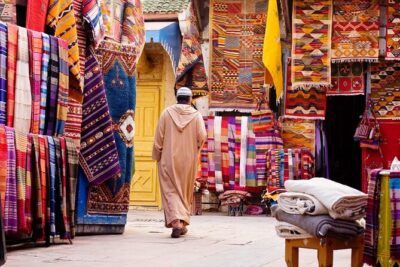
Shopping in the Souks of Marrakech Private Tour
Read our review →
Local Markets & Khan el Khalili Private Shopping Tour
Read our review →
Private Excursion to Floating Market and Ayutthaya World Heritage
Read our review →
Private Heritage Walking Tour in Jaisalmer Fort and Old Bazaar
Read our review →Browse the lists this tour appears in