
Review · FLOWER & FLEA MARKET TOURS
Mumbai:Dhobi Ghat Laundry,Dharavi Slum & Flower market Tour
Mumbai can reveal itself quickly from a train window, but this tour takes you closer to the city’s working heart. You’ll see Dhobi Ghat’s hundreds of clothes being washed and dried, visit a flower market alive with color and scent, then walk through Dharavi’s narrow lanes and small businesses.
I like the low $9 price, which includes the guide, train ticket, taxi fare, and bottled water. I also like the local point of view, especially with guides such as Shivam, who explains Dharavi in clear English and knows its streets well. The main consideration is comfort: train travel, narrow lanes, busy markets, and a working neighborhood demand patience and respectful behavior.
Key points to know before you go
- Dhobi Ghat by local train: Ride with your guide to Mumbai’s famous open-air laundry and see clothes being washed, handled, and dried.
- A flower market full of color: Make a short onward trip to a busy market where flowers help set the pace of the day.
- Dharavi beyond the stereotype: Walk through lanes lined with homes, schools, markets, recycling work, leather production, garments, and pottery.
- Guides from the community: The guides are local and some have lived in slum communities for generations.
- Strong value at $9: Train travel, taxi fare, bottled water, and guiding are included, while snacks and tips are extra.
- A practical meeting point: Meet inside Churchgate station at the train ticket counter near the Wheelers bookstall.
Why this Mumbai tour feels different
Many Mumbai sightseeing tours focus on grand buildings, waterfront views, or colonial-era streets. This one shows you how the city works. You travel by local train, watch laundry move through a large outdoor operation, see flowers being sold at the start of the day, and walk through Dharavi’s active network of homes and small businesses.
That focus is the tour’s main strength. You are not simply looking at Mumbai from a vehicle window. You are seeing work being done in public, close at hand. Your guide gives the scenes context, which matters because a market, laundry, or narrow lane can otherwise seem like a blur of noise and movement.
The tone is also important. Dharavi should not be treated as a spectacle. It is a home and a place of work for a large, diverse population. The useful question is not how poor the area looks. It is how residents have built businesses, workshops, schools, markets, and family life in a very crowded part of Mumbai.
The tour presents Dharavi as a community with a major economic role. Its many small-scale industries are described as generating more than $1 billion annually, earning the area the unusual nickname of a five-star slum. That label may sound catchy, but the more useful point is the business activity you see on the ground.
More Flower and Flea Market Tours in India
- Jaipur Tuk-Tuk Tour with Flower Market Visit
★ 5.0 · 124 reviews - Jaipur Tour by Tuk-Tuk or Car with Flower Market
★ 5.0 · 120 reviews - Jaipur: Half-Day Guided Sightseeing Tour with Flower Market
★ 4.9 · 119 reviews
Meeting your guide at Churchgate station
The tour begins inside Churchgate station at the train ticket counter, near the Wheelers bookstall. This is a practical meeting point, but stations can be confusing, so give yourself enough time to find the correct area before the start.
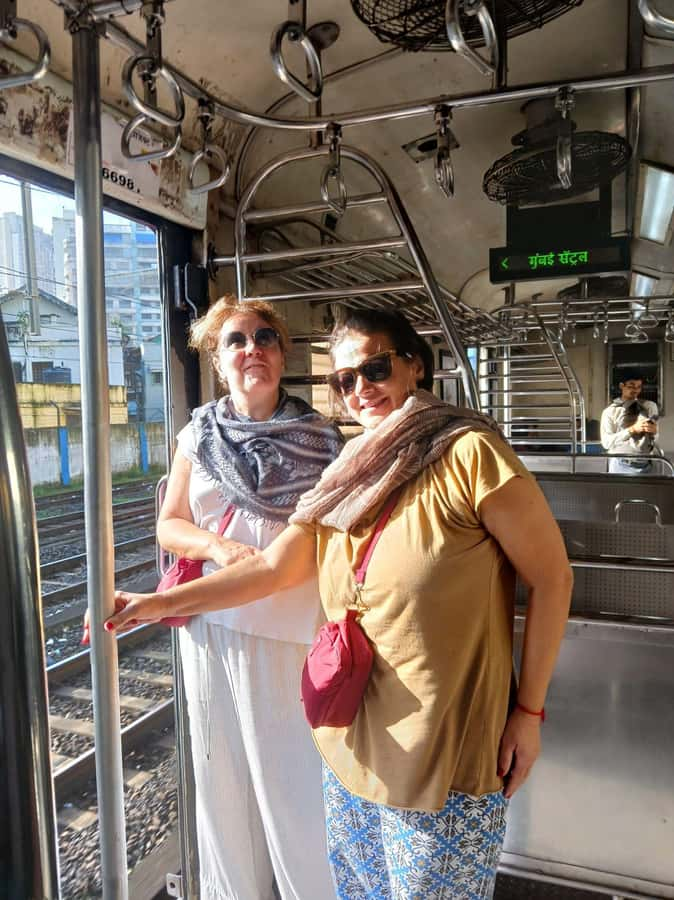
Your guide leads the train portion of the outing. The train is not just transport between attractions. It gives you a short look at one of Mumbai’s most important daily systems, with the city moving around you at close range.
You should wear comfortable shoes and carry water, even though bottled water is included. A camera is also listed as something to bring, but ask your guide before photographing people, homes, workshops, or workers. In a residential area, good manners matter more than getting a perfect picture.
The tour is conducted in English. Shivam is one guide associated with this experience, and his role is especially useful in Dharavi. You need clear explanations in a place where the details are easy to miss, and his strong English and familiarity with the area help make the walk easier to follow.
Dhobi Ghat and the work of washing clothes
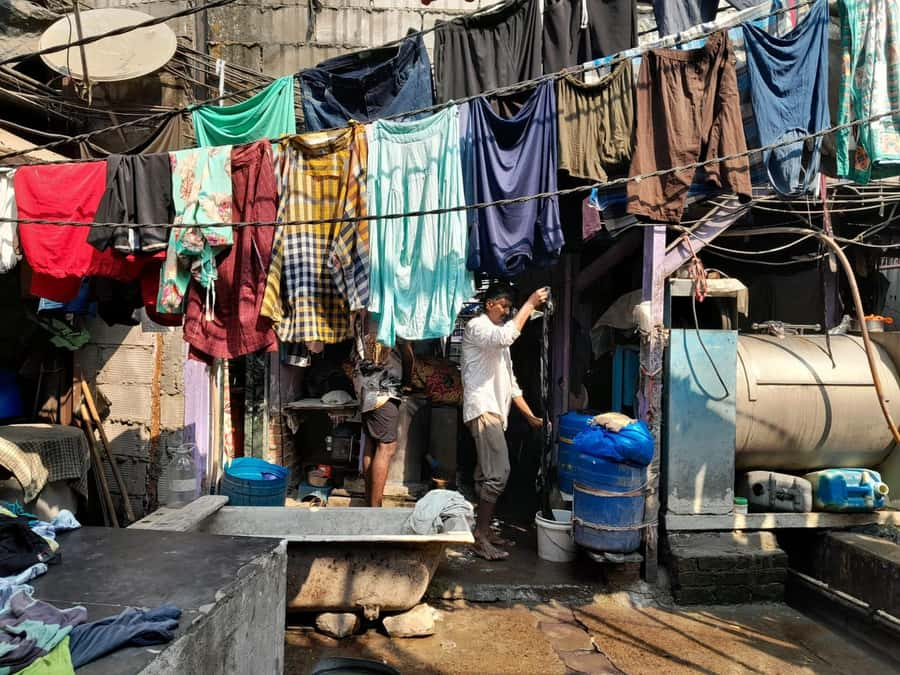
The first major stop is Dhobi Ghat, described as the world’s largest open-air laundry. You reach it by local train, making the journey part of the experience rather than an afterthought.
From the viewing area and surrounding streets, you can see rows of washing spaces and hundreds of garments being handled and dried. The scene is practical and highly organized. Clothes move through a working system, and the sheer amount of fabric gives you a sense of the service Dhobi Ghat provides to Mumbai.
I like this stop because it turns an ordinary household task into a city-scale operation. Laundry is easy to ignore when it is done behind the scenes. Here, it becomes visible work, carried out in full view and tied to the daily life of a huge city.
Your guide can help explain what you are seeing and why the site matters. Without that context, you may notice only the bright clothing and repetitive motion. With explanation, the visit becomes a lesson in labor, coordination, and the systems that keep a city running.
There is a practical drawback. Dhobi Ghat is a working place, not a polished museum. Conditions may feel crowded, and the walk or train ride may be more tiring than a standard sightseeing stop. Go with realistic expectations and focus on observation rather than comfort.
The flower market’s early energy
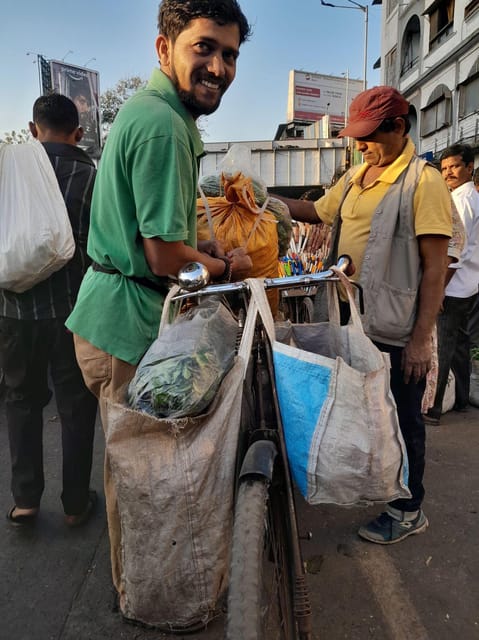
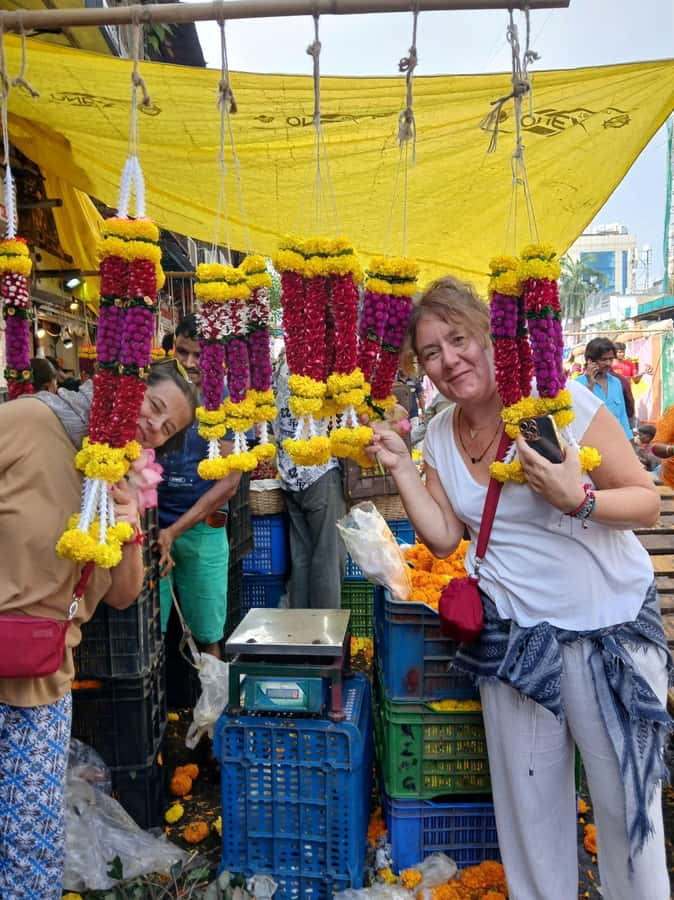
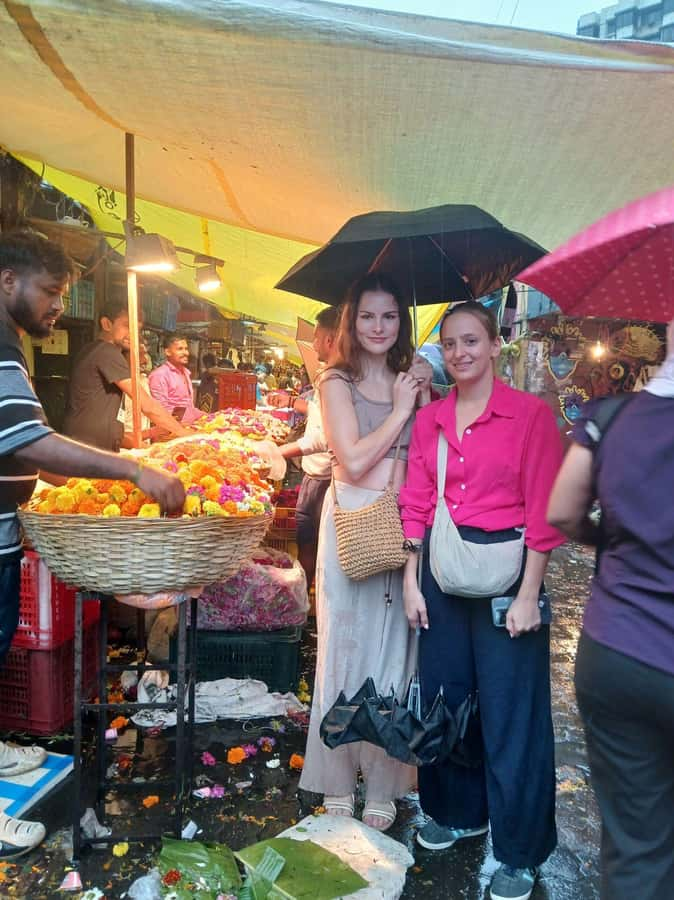
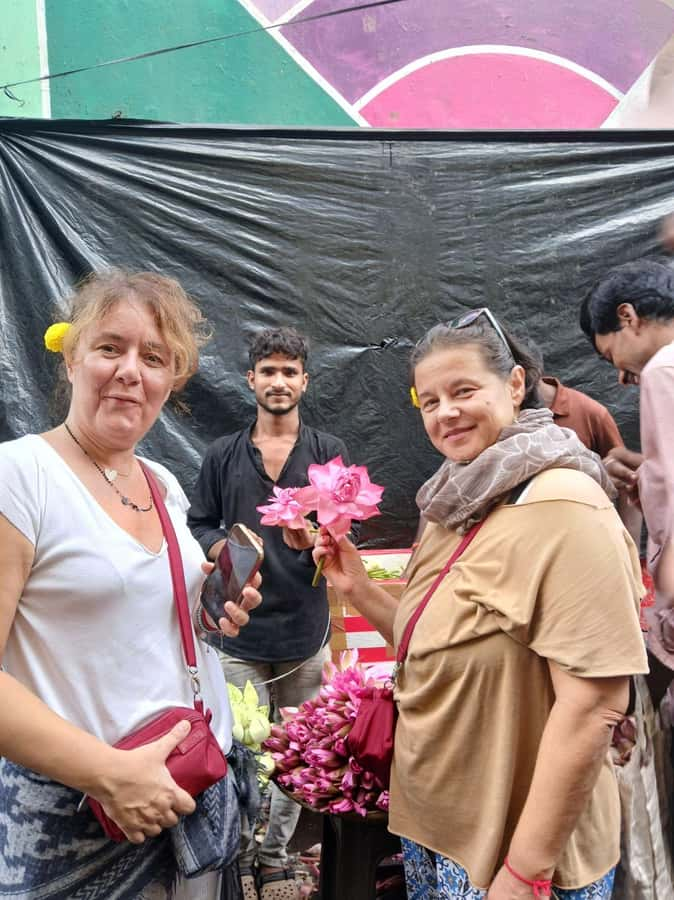
After Dhobi Ghat, a short ride takes you to a flower market. The exact market name is not provided, but the tour promises a colorful, busy setting filled with flowers and the activity of local trade.
This is a good contrast with Dhobi Ghat. Laundry is about repetition, service, and organization. The flower market brings color, fragrance, and quick buying and selling into the picture. It also shows how many parts of Mumbai begin their day long before the city’s tourist sights become active.
You can expect a close look at flowers being handled and sold, with your guide pointing out what is happening around you. The market is likely to be busy, so stay near the guide and watch your belongings. The experience is about the working rhythm of the place, not a leisurely garden visit.
Photography may be tempting here, especially because of the colors. Still, ask before photographing vendors or individuals. A respectful approach will make the visit more comfortable for everyone and keeps the focus on the market rather than turning people into scenery.
This stop also helps break up the Dharavi visit. The tour is not built around one long walk through a single neighborhood. Instead, it links several parts of Mumbai that reveal different forms of work and trade.
More Flower and Flea Market Tours in Mumbai:
- Bangkok: Night Bike Tour with Temples & Flower Market Visit
★ 4.8 · 751 reviews - Bangkok: Night Bike Tour with Temples & Flower Market Visit
★ 5.0 · 223 reviews - Jaipur: Half or Full Day Sightseeing Tour with Flower Market
★ 5.0 · 94 reviews - Paris: Flea Market Insider’s Tour in Extra-Small Group
★ 4.6 · 73 reviews
Walking through Dharavi’s narrow lanes
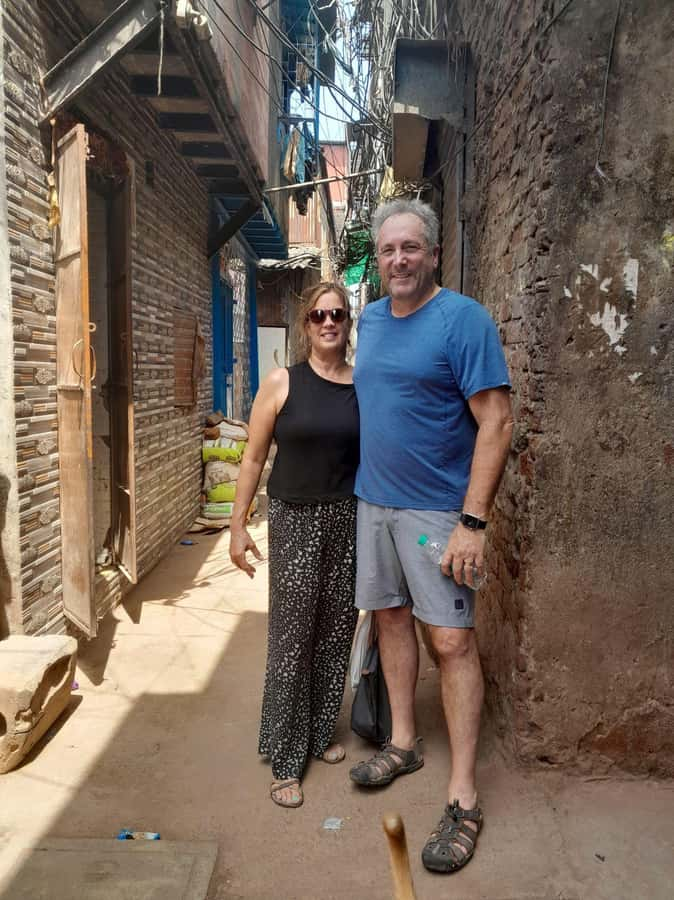
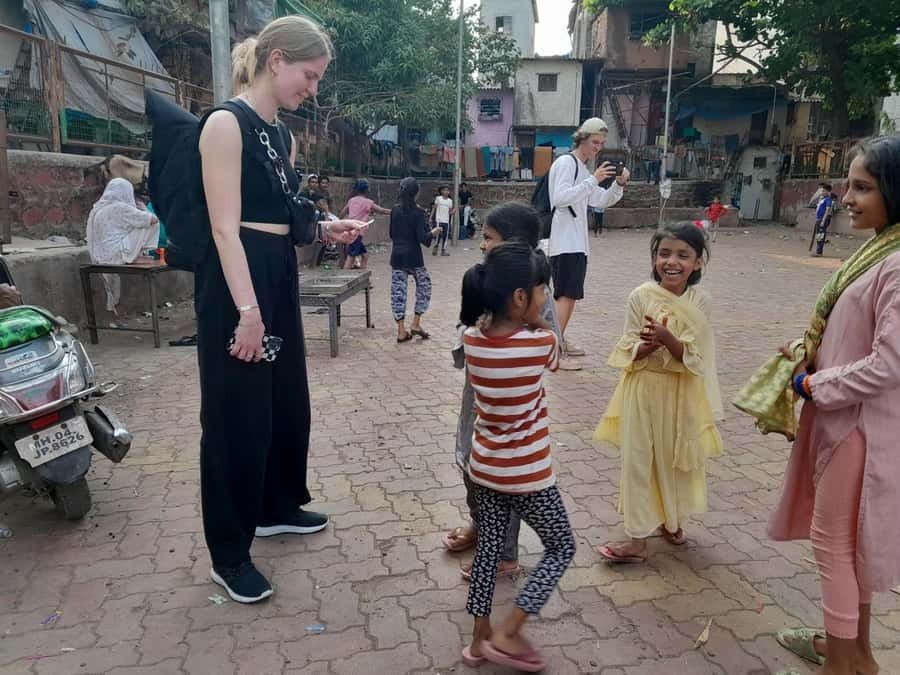
The Dharavi portion is the most substantial and thought-provoking part of the tour. You walk through narrow lanes and see the area as a lived-in community rather than a single attraction.
The tour may show you small homes, local markets, a school, recycling industries, leather work, garment production, and pottery. These details are more useful than a broad label such as slum. They show the range of activity packed into a limited area.
You may find the lanes tight and crowded. That is part of the setting, but it also means you should follow instructions, keep your belongings secure, and avoid blocking doorways or work areas. Comfortable shoes are essential, and water is sensible even though a bottle is supplied.
The tour describes Dharavi as home to families from across India, with many languages spoken in the community. That diversity matters. It helps explain why Dharavi is not a single cultural group or uniform neighborhood. It is a place where people with different regional backgrounds live and work close together.
I appreciate that the tour emphasizes enterprise and community pride. You are shown the work that helps support residents and contributes to Mumbai’s economy. Recycling, leather, garments, and pottery each offer a different view of how small businesses operate in a dense urban setting.
At the same time, you should not expect a tidy or comfortable walk. Dharavi is a residential and industrial area, not a staged attraction. The lanes can be demanding, and some sights may feel confronting. If you prefer quiet streets and conventional monuments, this probably is not the right outing.
What makes the local guide important
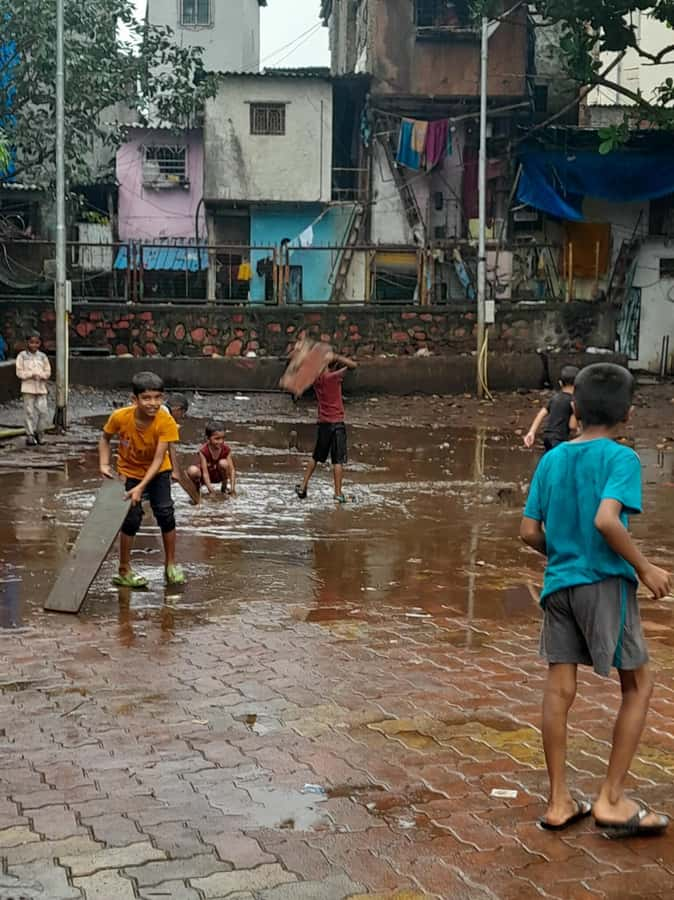
The guide is the key to the experience. The route includes places that may be visually striking, but an explanation of the people, work, and history of each area gives the tour its value.
The guides are described as local and as people who have lived in slum communities for generations. That background can offer a perspective you would not get from a standard city tour. Shivam, in particular, is noted for his friendly manner, clear English, and strong familiarity with Dharavi.
A good guide also helps with behavior. You can learn where to pause, how to move through a narrow lane, and when not to take a photograph. In a place where residents are going about their day, that guidance is not a small detail.
The strongest part of the guide’s role is interpretation. He can connect the visible details to the larger city: why laundry is organized at Dhobi Ghat, how flower trading fits into the morning economy, and how Dharavi supports many forms of small business.
Your group’s experience will also depend on questions. Ask about the work you see, the different languages in the community, and how the businesses fit together. The more curious and respectful you are, the more you will get from the walk.
Is $9 a good value?
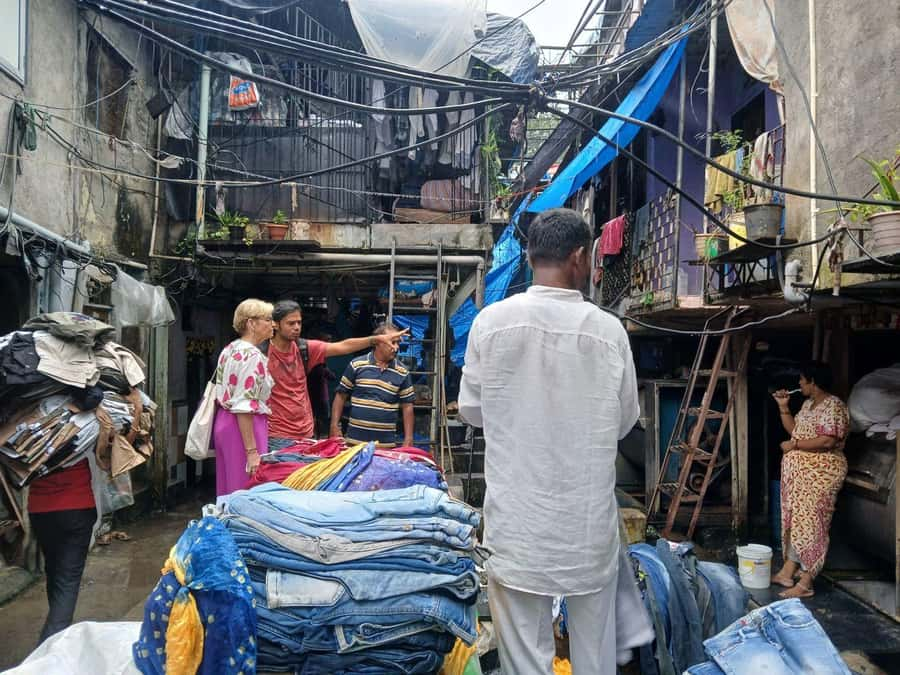
At $9 per person, this is an unusually inexpensive way to see several working parts of Mumbai. The price includes a guide, train ticket, taxi fare, and bottled water. That means your main costs are covered from the start.
You need to budget separately for snacks and a tip for the guide. The tour does not include food, so eat beforehand or carry something suitable if you think you will need it. The meeting information does not give a total duration, so you should avoid scheduling another fixed activity too tightly afterward.
The value comes from the combination of transport and access. A cheap train ride alone would not explain what you are seeing. A taxi tour alone would not give you the same feel for local movement. Here, the train, walking, and short taxi ride create a broader picture of the city.
The low price should not lead you to expect luxury. This is a basic, local-style outing. You will spend time in public transport and working neighborhoods rather than in air-conditioned vehicles or quiet private spaces.
For a budget-conscious visitor, the package is strong. For someone seeking polished sightseeing and plenty of personal space, the price may not compensate for the rougher edges.
Who should book this experience?
I would recommend this tour to you if you want to understand Mumbai through work, community, and daily movement. It suits first-time visitors who want something beyond major landmarks, as well as repeat visitors looking for a more local view.
It is particularly suitable if you enjoy:
- Local train rides rather than private transport only
- Markets and working neighborhoods
- Guided walks with social and economic context
- Seeing small businesses and local production
- Asking questions about daily life in Mumbai
You may want to skip it if you dislike crowded public transport, narrow lanes, or visits to residential communities. You should also think carefully about your attitude toward photography. This is not a place for careless snapshots of people’s homes or working lives.
The tour can also work well for visitors who have limited time and want several distinct experiences in one outing. Dhobi Ghat, the flower market, and Dharavi offer different sights, so the route feels varied even though all three stops are connected by the city’s working life.
Practical advice for a respectful visit
Wear shoes that are comfortable for walking and suitable for uneven or crowded streets. Bring a camera if you like, but use it carefully and follow your guide’s advice.
Keep your belongings close on the train and in the market. Stay with the guide, especially in crowded areas, and do not stop in a way that blocks residents or workers.
Treat Dharavi as someone’s home and workplace. Ask before taking photographs, listen to the guide’s instructions, and avoid treating poverty as entertainment. The best visit is one where you leave with a clearer understanding of the community and without making daily life harder for the people who live there.
The activity allows you to reserve and pay later, which is useful if your Mumbai plans are still moving around. You can also cancel up to 24 hours in advance for a full refund. Those terms make it easier to fit the experience into a flexible itinerary.
Should you book this Mumbai tour?
Book it if you want a direct look at Mumbai’s working life and are comfortable with trains, crowded markets, narrow lanes, and an unscripted urban setting. The $9 price is hard to fault when it includes transport, a guide, and bottled water.
The best reason to go is the combination of places. Dhobi Ghat shows city-scale laundry, the flower market shows early trade and color, and Dharavi shows homes and businesses functioning side by side. With a local guide such as Shivam, the route can become far more meaningful than a quick photo stop.
Skip it if you want a relaxed, polished sightseeing tour or if you are uncomfortable visiting a residential community. For everyone else, this is a modestly priced way to see Mumbai through the people who keep it moving.
FAQ
Where does the tour start?
The guide meets you inside Churchgate station at the train ticket counter, near the Wheelers bookstall.
Where does the activity end?
The tour ends back at the meeting point.
What language is the tour offered in?
The tour is offered in English.
Is a train ride included?
Yes. A train ticket is included, and the tour uses the local train to reach Dhobi Ghat.
Is taxi transportation included?
Yes. Taxi fare is included in the tour price.
Is bottled water included?
Yes. Bottled water is included.
What should I bring?
Bring comfortable shoes, a camera, and water. Bottled water is also included.
Are snacks included?
No. Snacks are not included.
Is a tip for the guide included?
No. A tip for the guide is not included.
Can I reserve now and pay later?
Yes. You can reserve your place and pay later.
What is the cancellation policy?
You can cancel up to 24 hours in advance for a full refund.
Just added around Mumbai
- Mumbai: Local Markets & Temples Tour★ 4.6 · 45 reviews
- Night Tour: Mumbai’s Nights & Buzzing Bazaars★ 5.0 · 7 reviews
- Mumbai Market Tour★ 4.6 · 12 reviews
- Mumbai Market and Temple Tour With Cow Shelter Visit★ 4.3 · 3 reviews
- Mumbai Morning Market Tour of Flowers, Fish, and More★ 5.0 · 100 reviews
- Mumbai: Magical Markets Tour★ 4.5 · 23 reviews
- Mumbai: Evening Street Food Tasting & Cultural Market Tour★ 4.7 · 11 reviews
- Mumbai Heritage, Street Food & Bazaar Walking Tour★ 5.0 · 4 reviews
Flower & Flea Market Tours, compared.
Night Bike Tour with Temples & Flower Market Visit
Read our review →Night Bike Tour with Temples & Flower Market Visit
Read our review →
Jaipur Tour by Tuk-Tuk or Car with Flower Market
Read our review →
Half-Day Guided Sightseeing Tour with Flower Market
Read our review →
Half or Full Day Sightseeing Tour with Flower Market
Read our review →

Browse the lists this tour appears in