Review · MARKET AND COOKING CLASS TOURS
Lagos, Nigeria: Nigerian Cooking Class and Market Visit
The best part of this Lagos experience begins before you reach the kitchen. With Aisha guiding you through the Oniru market, you shop for ingredients, learn about Nigerian spices, choose fresh meat, and see everyday food buying up close. It is a cooking class tied to real local life, not just a demonstration.
I like the small private format, which gives you room to ask questions and work directly with Aisha. I also like the practical finish: you take home the food, an Adire apron, and a recipe PDF. The main consideration is the five-hour length, plus the heat, noise, walking, and close quarters that come with a local market visit.
Key points at a glance
- Market shopping comes first: Explore Oniru, learn about Nigerian spices, and practice bartering while gathering ingredients.
- Aisha teaches hands-on: Expect step-by-step cooking rather than simply watching from the side.
- Popular Nigerian dishes are the focus: Jollof rice, egusi soup, puff puff, fufu, stew, meat pie, and pepper soup are among the possible dishes.
- The private setting matters: The $175 price covers a group of up to two people, making this best suited to couples, friends, or solo visitors seeking personal attention.
- You leave with useful extras: Your Adire tie-dye apron and PDF recipe book help carry the class into your own kitchen.
- Plan for practical market conditions: Wear comfortable shoes, bring sun protection and water, and keep your passport or a copy ready for identification.
Start with the Oniru market, not a cooking studio
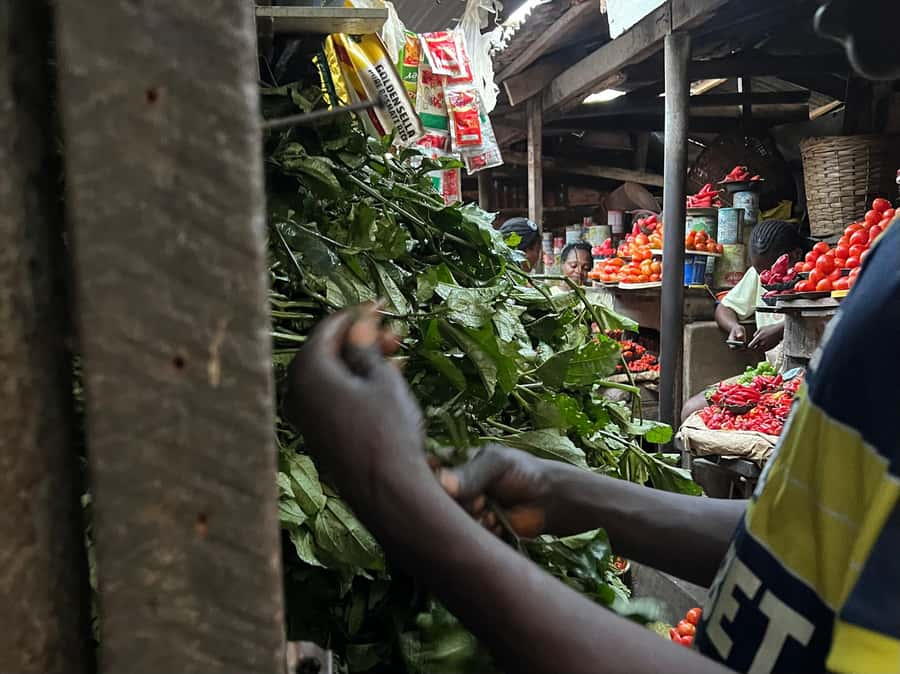
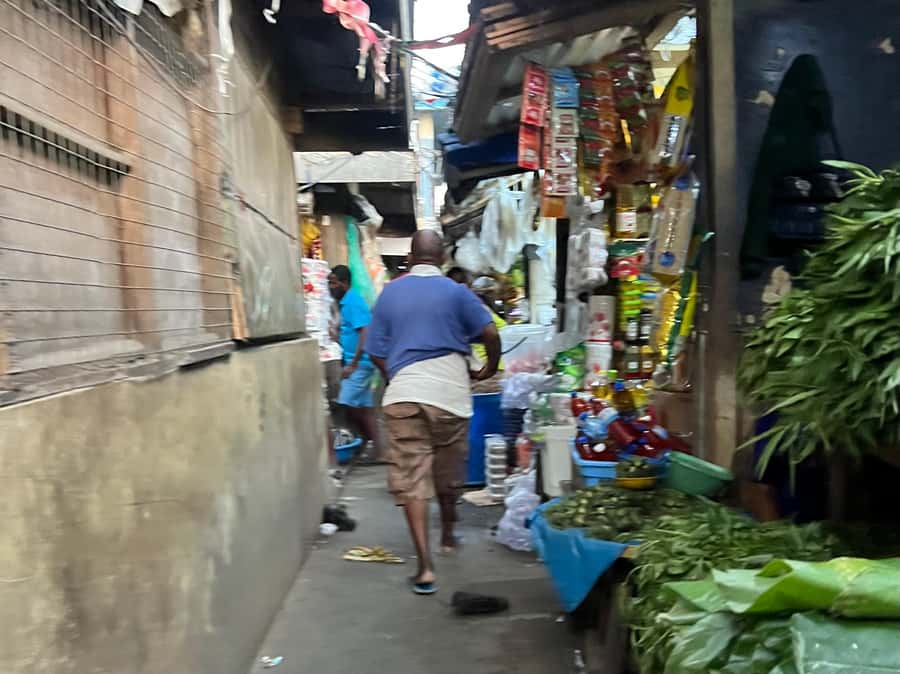
The first stage takes you into a local market in the Oniru beach neighborhood. This gives the class its strongest cultural edge. Instead of meeting a prepared tray of ingredients, you see where the cooking begins: with shopping, choosing, asking questions, and working out what to buy.
Aisha introduces the spices used in Nigerian cooking and helps you select fresh meats and other ingredients. You also get a taste of the bargaining that shapes daily market shopping. This is not a polished food hall designed for tourists. Expect noise, movement, heat, and the need to pay attention to your belongings. Keep your phone secure if you take photos.
I like this opening because it makes the later recipes easier to understand. Nigerian food is built from ingredients and methods that can seem unfamiliar if you only encounter the finished plate. Seeing the raw materials first gives you a clearer sense of how flavors are put together.
The market also asks something of you. You should be comfortable walking and standing for part of the morning or afternoon, depending on the start time you choose. Sun protection, water, and sensible shoes are not extras here. They make the first half of the experience more pleasant.
More Market and Cooking Class Tours in the world:
- Hanoi Cooking Class: Culture, Local Market & Meaning CSR Impact
★ 5.0 · 5,147 reviews - 5 Traditional Dishes Hanoi Cooking Class with Market Trip
★ 5.0 · 4,890 reviews - Cooking Class and Lunch at a Tuscan Farmhouse with Local Market Tour from Florence
★ 5.0 · 4,831 reviews
Aisha’s kitchen turns shopping into a lesson
After the market, you return to the kitchen for the hands-on part of the class. Aisha, the host and home cook, leads you through the preparation step by step. The private format means you are not lost in a crowd or waiting for your turn at one shared work area.
That personal attention is especially useful if you have little experience with Nigerian cooking. You can ask why a certain spice is used, how ingredients should be prepared, and what to watch for as the food cooks. The class is designed to help you repeat the methods at home, rather than simply enjoy one meal and forget the process.
The teaching style is patient and welcoming. That matters when a dish has several stages or when the texture is unfamiliar. Reviews of the experience highlight that the dishes turned out well and that Aisha made the process feel approachable. You should still expect to participate. This is not a meal with a short cooking show attached.
The exact menu can include several well-known Nigerian favorites:
- Jollof rice
- Stew
- Egusi soup
- Fufu
- Puff puff
- Meat pie
- Pepper soup
The wording allows for a selection rather than a promise that every dish appears in every five-hour session. If one particular recipe is essential to you, ask about the planned menu before booking. Jollof rice, puff puff, and egusi soup are especially central to the experience as described by past participants.
What the dishes teach you about Nigerian food
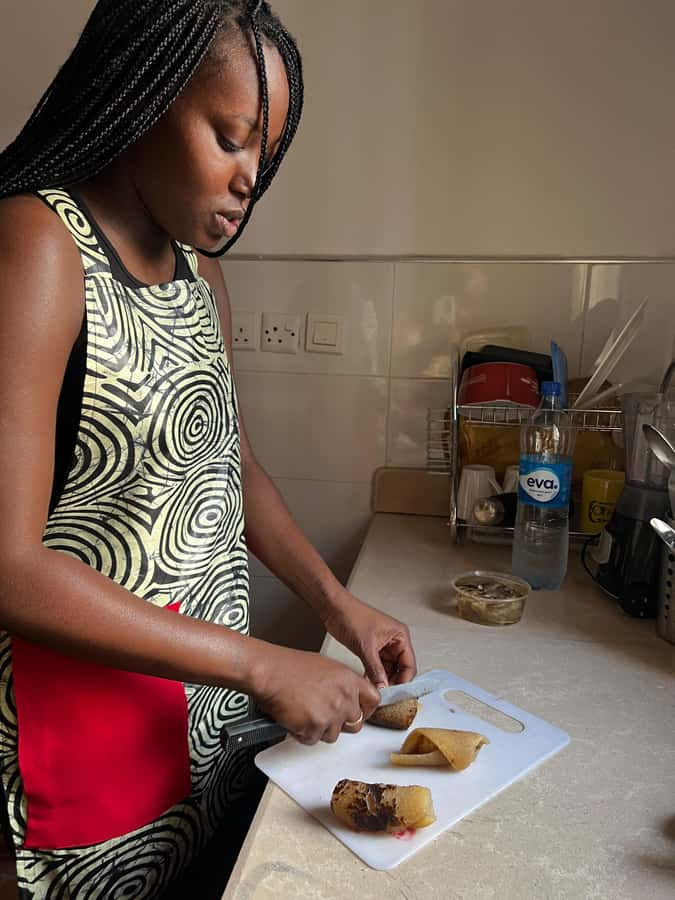
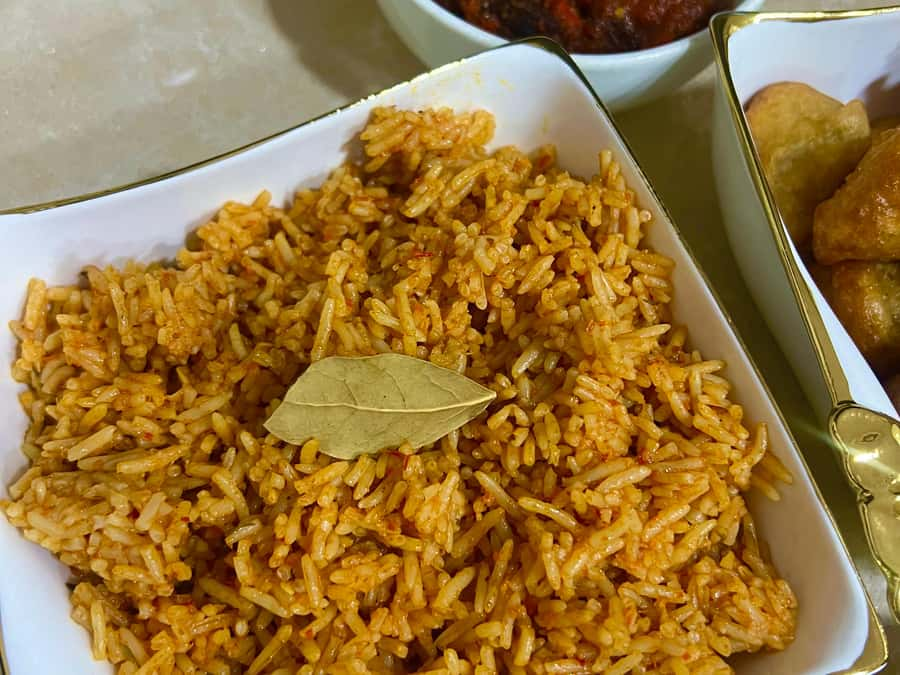
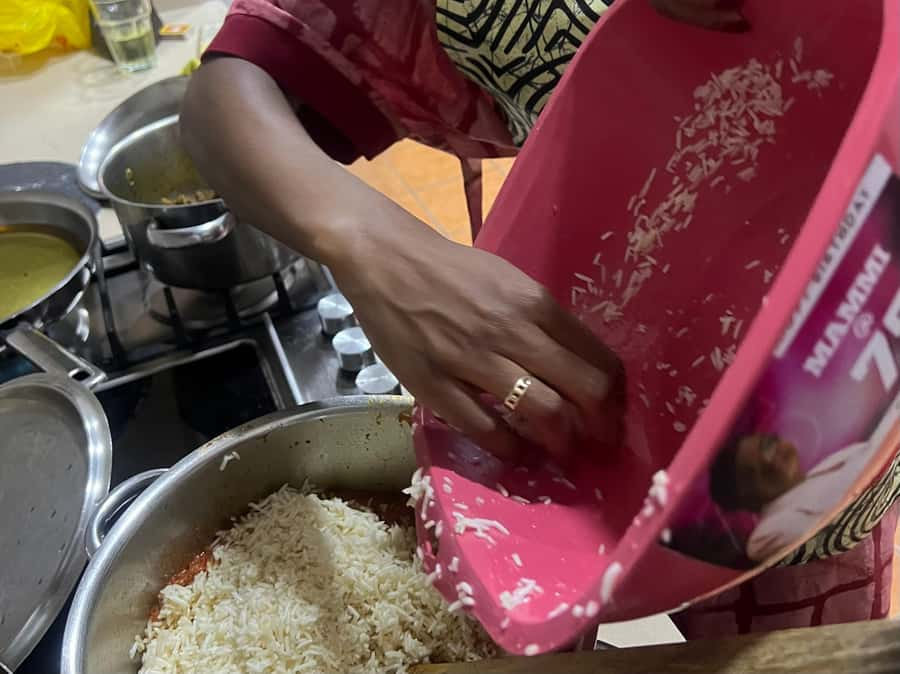
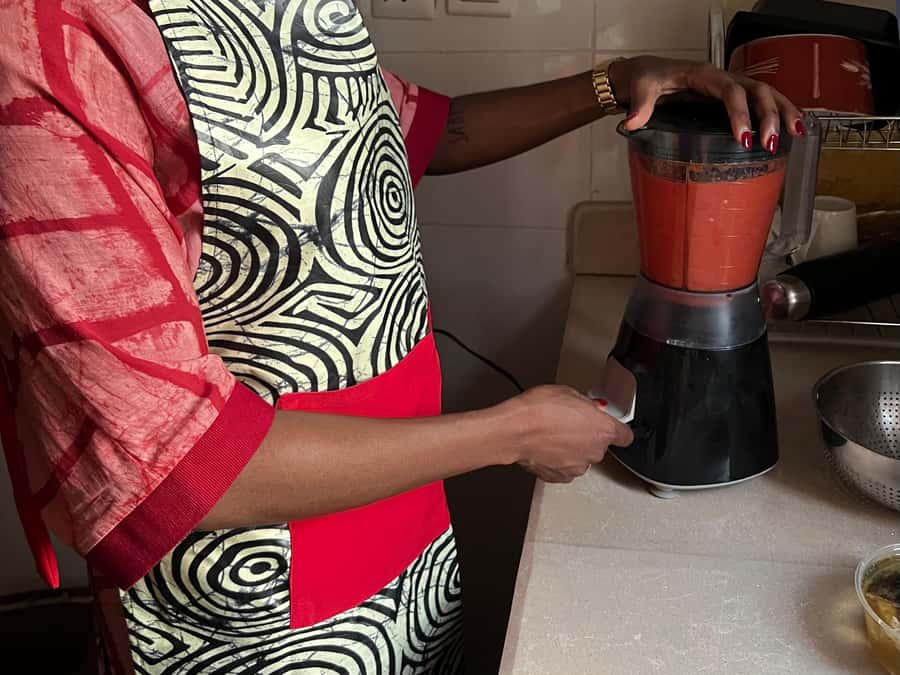
Jollof rice is a natural centerpiece for a Nigerian cooking class. It is familiar enough to appeal to first-time visitors, yet it also shows how seasoning, sauce, and rice work together in a dish that varies from kitchen to kitchen. You learn more by making it than by simply ordering a plate in a restaurant.
Egusi soup offers a different lesson in texture and flavor. Fufu adds the hands-on element, since it is meant to be eaten with the soup rather than treated as a separate side dish. Together, these dishes introduce you to a style of eating that may be new if your experience of Nigerian food has been limited to rice dishes.
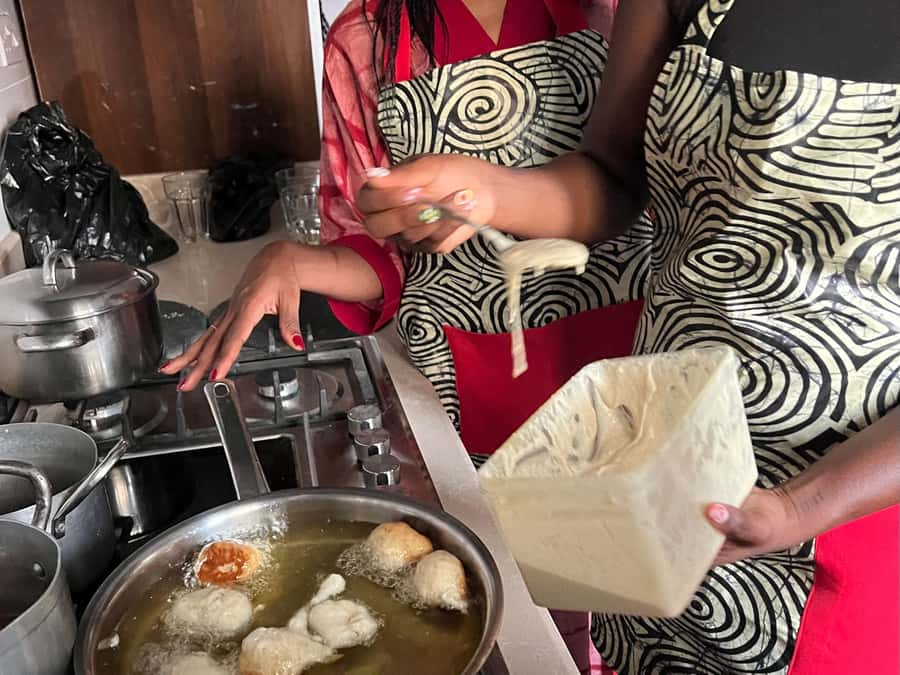
Puff puff shifts the mood toward snack and street-food territory. It is a useful recipe to learn because it gives you another way to understand Nigerian flavors beyond a main meal. Meat pie and pepper soup broaden the range further, but the final selection depends on the session.
One strength of the class is that you do not only hear dish names. You work through preparation methods and measurements, then receive a PDF recipe book afterward. That makes the experience more useful for someone who wants to cook for family or friends once back home.
Why the private group size changes the experience
The price is $175 per group of up to two people. For a pair, that works out to $87.50 each before any additional booking costs. For a solo visitor, the same group price is a bigger spend, but you receive the most personal version of the class.
That pricing makes sense for couples, close friends, or two family members who want a shared activity. You are paying for a private experience, market time, instruction, ingredients, cooked food, an apron, and the recipe book, not just for a restaurant lunch.
The value depends on what you want. If your main goal is a low-cost meal, this is not the right choice. If you want a cultural activity that gives you practical cooking skills and a better understanding of Nigerian food, the package is stronger.
The private setting is also useful for visitors who prefer to ask many questions or need extra help with cooking steps. It may feel less social than a large group class, though. You will not be meeting a room full of other participants or comparing dishes with a crowd.
A few more market tours around the world worth a look
- Bangkok: Damnoen Saduak Market and Maeklong Railway Market
★ 4.5 · 26,723 reviews - The Old Siam: Damnoen Saduak and Maeklong Railway Market
★ 4.5 · 10,992 reviews - Dubai: Old Town, Creek, Museums, Souks, & Street Food Tour
★ 4.8 · 10,816 reviews - Bangkok: Train Market & Floating Market with Boat Ride
★ 4.7 · 9,547 reviews
The Adire apron is a useful souvenir
The included Adire apron is a thoughtful detail. Adire is a Nigerian tie-dye textile tradition, so the apron connects the cooking activity with local craft rather than functioning as a generic branded giveaway.
You use the apron during the class and take it home afterward. That gives you a practical souvenir with a clear connection to the day. It is also more useful than a small decorative item that ends up in a drawer.
The PDF recipe book adds a second kind of value. The apron recalls the place, while the recipes help you repeat the experience. Measurements and instructions are provided for the dishes made in class, so you have something concrete to use in your own kitchen.
Do not expect the recipe book to replace the lesson entirely. Cooking depends on texture, timing, heat, and judgment, and those are easier to grasp while Aisha is beside you. The PDF is best viewed as a follow-up tool, not the whole class in digital form.
Eating what you have made
At the end, you can take your cooked food home. This is helpful if the class produces more than you want to eat immediately, or if you would like to share the results with someone else.
The food is not just a final reward. Tasting what you prepared helps you connect each stage of the lesson to the result. You can see how the spices, sauces, rice, soups, and dough come together after the work is done.
The class has received specific praise for food that turned out delicious, including jollof rice, puff puff, and egusi soup. That suggests the instruction is suitable for beginners, though your own result will still depend on how closely you follow the guidance and how comfortable you are in the kitchen.
I would plan this experience on a day when you have time afterward. Five hours is a substantial block, and you may prefer not to schedule another fixed activity immediately after it. The food to take home also makes it different from a quick cooking lesson squeezed between sightseeing stops.
Practical details before you book
The experience lasts five hours, with starting times based on availability. Since the market comes first, comfortable shoes are important. Bring water, a sun hat or other hat, sunscreen, and a passport or a copy of your passport.
Because the class takes place in Aisha’s home, you must present an international passport for identification. A copy is accepted. This is worth arranging before the day so you are not searching for a printout or deciding whether a digital image will be sufficient.
The class is taught in English. It is wheelchair accessible, and the group is private. Smoking, including smoking indoors, is not allowed, and alcohol and drugs are prohibited.
The experience is not suitable for children under 13, with children under five also specifically excluded. That makes it a better match for adults and older teens who can manage the market visit and take part in several hours of cooking.
Free cancellation is available up to 24 hours before the start time for a full refund. You can also reserve and pay later, which helps if your Lagos schedule is still changing.
Who will get the most from this Lagos food experience?
I would choose this class if you want food to be your way into Nigerian culture. The market visit gives you context, while the kitchen gives you practical skills. It suits curious eaters, home cooks, couples, and solo visitors who prefer close instruction over a large group activity.
It is also a good choice if you have already tried Nigerian food and want to understand it better. Learning how jollof rice, egusi, fufu, puff puff, and pepper soup are prepared gives familiar dishes a new dimension.
You may want to think twice if you dislike markets, standing, heat, bargaining, or taking part in food preparation. The class is not simply a comfortable indoor demonstration. The market is central to the experience, and the five-hour schedule requires energy.
The strongest praise focuses on Aisha’s patience, the welcoming tone, and the fact that the dishes came out well. Those qualities matter more than flashy extras. A cooking class succeeds when you feel able to repeat what you learned, and this one is built around that goal.
Should you book the Nigerian Cooking Class and Market Visit?
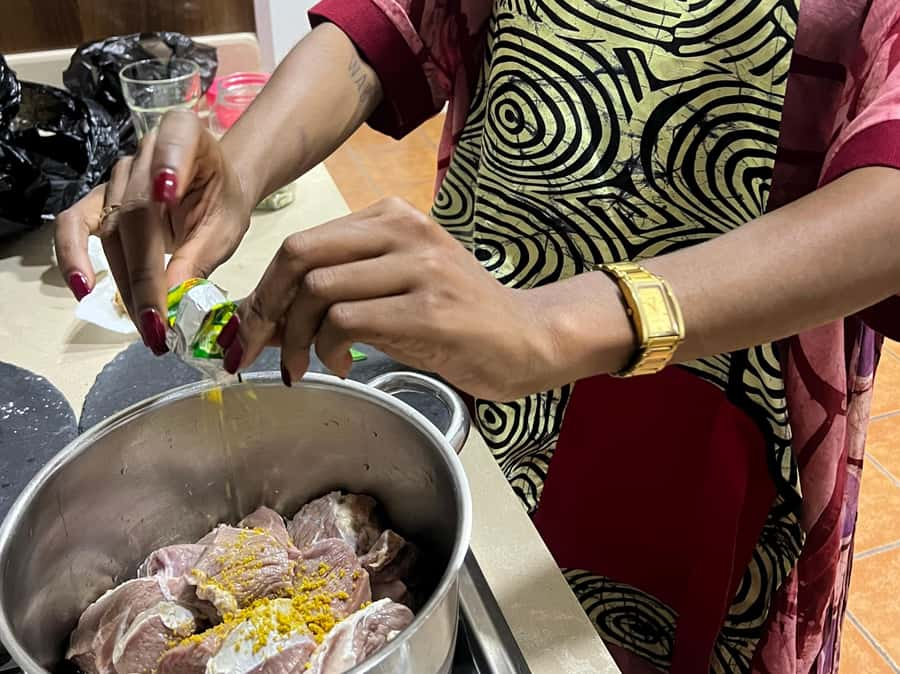
Book it if you want a private, practical introduction to Nigerian cuisine rather than a standard sightseeing tour. The Oniru market, Aisha’s personal instruction, the food you prepare, and the Adire apron give the experience a clear sense of place.
The $175 group price is easiest to justify for two people. Solo visitors pay more per person, but receive direct attention throughout the class. Ask about the exact dishes planned if you have your heart set on one recipe, and bring your passport copy, water, sun protection, and comfortable shoes.
For food lovers who want to take a piece of Lagos cooking home with them, this is a strong pick. For anyone looking for a short, low-cost activity with no market walking, choose something simpler.
FAQ
How long does the Nigerian cooking class and market visit last?
The experience lasts five hours. Starting times vary, so check availability when choosing a date.
Where does the market visit take place?
The market visit takes place in the Oniru beach neighborhood in Lagos. The activity information also refers to shopping for ingredients in Lagos Island.
What dishes might I learn to make?
Possible dishes include jollof rice, stew, egusi soup, fufu, puff puff, meat pie, and pepper soup. The menu may focus on a selection of these dishes rather than all of them in one session.
Is the cooking class private?
Yes. It is a private group experience for up to two people, with one-to-one cooking instruction available.
What is included in the price?
The experience includes the local market tour, hands-on cooking instruction, cultural and food education, cooked food to take home, an Adire tie-dye apron, and a PDF recipe book.
Do I need to bring identification?
Yes. Since the class takes place in Aisha’s home, you must present an international passport for identification. A copy is accepted.
Just added around the world
- 3-Hour Herbal Wholesale TCM Market and a Local Wet Market Tour★ 5.0 · 4 reviews
- Half-day Dandan Noodles Cooking Class with a Local Market Visit★ 5.0 · 8 reviews
- Charleston International Sweet Treats & Historic City Market Tour★ 5.0 · 22 reviews
- Chania: Old Town, Public Market, Hill of Prophet Elias, Agia Triada★ 5.0 · 35 reviews
- Chania Old Town, Public Market and Chrisopigi Monastery Tour★ 4.5 · 6 reviews
- Food Tasting & Market Shopping: Private Guided Tour in PORT LOUIS★ 4.5 · 9 reviews
- Moroccan Cooking Class with a Local Family & Market Visit★ 5.0 · 16 reviews
- Private Market Tour & Cooking Class in Casablanca with Transfers★ 5.0 · 20 reviews
Market and Cooking Class Tours, compared.

Hanoi Cooking Class: Culture, Local Market & Meaning CSR Impact
Read our review →
5 Traditional Dishes Hanoi Cooking Class with Market Trip
Read our review →
Cooking Class and Lunch at a Tuscan Farmhouse with Local Market Tour from Florence
Read our review →
Cooking Class, Market & Thai Herbs Garden Tour
Read our review →
Authentic Cooking Class with Market & Farm Visit
Read our review →
Paella Cooking Experience & Boqueria Market Tour
Read our review →
Cooking Class Hoi An:Local Market, Basket Boat, Fishing & Cooking
Read our review →