
Review · MUSEUMS
Krakow: The Underground Market Museum Guided Tour
Beneath Krakow’s Main Market Square, the Rynek Underground Museum turns a familiar city center into an archaeological time capsule. You follow excavated streets, old building foundations, merchant stalls, and workshops while a live guide explains how medieval Krakow worked. I like the real remains under your feet and the multimedia scenes that make ordinary medieval life easier to picture.
The 90-minute length is sensible, and skip-the-line entry adds real value when your sightseeing time is tight. The main thing to consider is that the tour covers a museum underground, not a broad walking tour of Krakow, and the meeting point details are supplied after booking, so you need to arrive early and pay attention to your instructions.
Key points at a glance
- Medieval streets under the square: Walk beside excavated routes and foundations from Krakow’s earlier town.
- Merchant life made visible: See the remains of stalls and workshops tied to trade and craft.
- English or Polish guide: A live guide provides the story behind the archaeological remains.
- Multimedia alongside artifacts: Displays help you picture haggling merchants, artisans, and daily routines.
- Ninety minutes underground: The compact format works well before or after other Main Market sights.
- Skip-the-line admission included: Your ticket to the Main Market Underground Museum is part of the booking.
What waits beneath Main Market Square
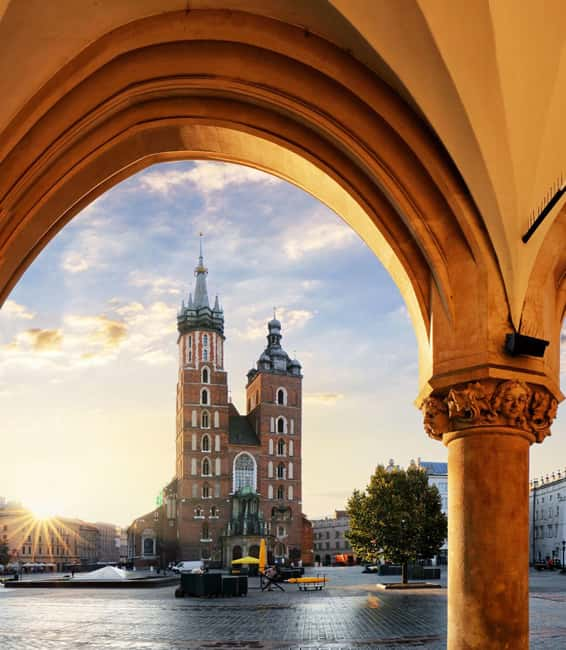
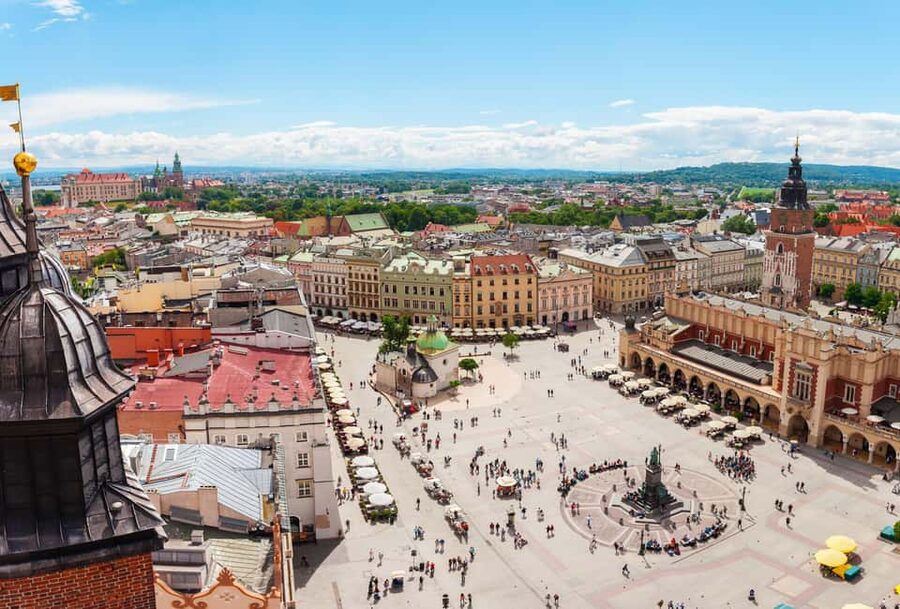
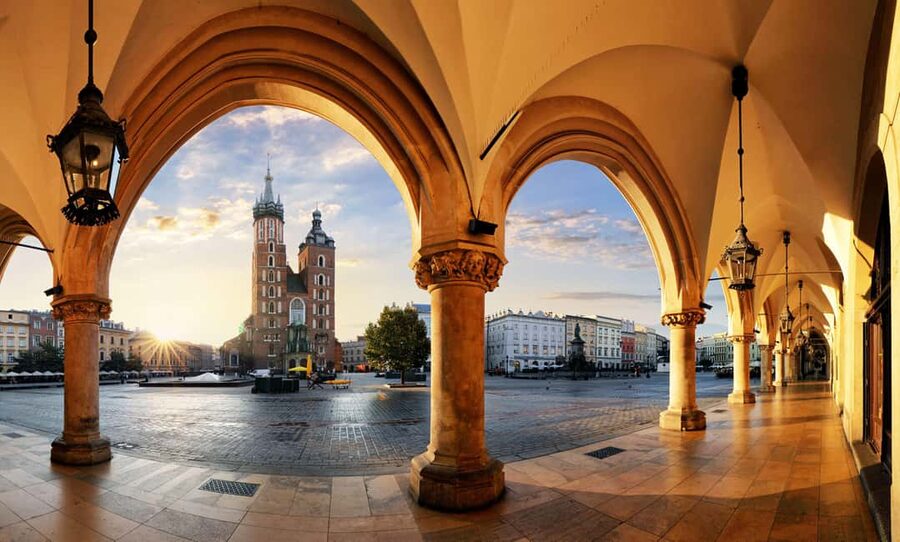
Krakow’s Main Market Square is one of those places that can feel fully explained at street level. You see grand buildings, busy cafés, church towers, and the steady flow of city life. Then you descend, and the ground beneath the square tells a different story.
The Rynek Underground Museum presents Krakow through the remains of an older town. Instead of looking only at polished objects in glass cases, you see traces of the streets and structures where people actually worked and traded. The foundations help you understand the shape of the old town, while the exposed stalls and workshops connect the archaeology to everyday business.
That combination is the chief reason to choose this experience. A medieval market can sound abstract when you only read about it. Here, the layout gives you something physical to follow. You can trace where people moved, where goods were sold, and where crafts were carried out.
The museum is not simply a collection of old objects. It presents a buried section of the city as a working place. The guide’s job is to connect the stones, foundations, and displays to people: merchants negotiating prices, artisans making goods, and ordinary citizens moving through the town.
More Museum Visits in the world:
- Dubai: Old Town, Creek, Museums, Souks, & Street Food Tour
★ 4.8 · 10,816 reviews - Cairo 8 Hour Private Tour of Pyramids, Egyptian Museum and Bazaar
★ 5.0 · 2,931 reviews - Frida Kahlo VIP [Museum Tickets Included] Bike, Markets & Churros
★ 5.0 · 1,072 reviews
Following the excavated medieval streets
The tour begins with the descent from Main Market Square into the underground museum. The change is immediate in a practical sense: you leave the open square and enter a museum built around archaeological remains. Comfortable shoes are a must, since the visit involves walking through the underground exhibition rather than sitting through a talk.
The excavated streets are the central feature. You are not merely shown a reconstruction of medieval Krakow. You can see the surviving traces of routes and structures from the earlier market area. The remains help you read the square as a place that changed over time.
Look closely at the foundations. They show the footprint of buildings that no longer exist, giving you a better sense of how the old town was arranged. This is especially useful if you like history but find dates and dynasties hard to hold in your head. A physical wall line or street surface often explains more than a long list of names.
The guide adds the human scale. Without interpretation, archaeological remains can look like a maze of stone and dirt. With the story in place, each section has a clearer role. You begin to understand how the square functioned as a center of trade and movement.
The experience does not promise a full excavation site beyond the museum route, so you should not expect an open archaeological dig or a long underground walk. Its strength is the concentrated presentation of selected remains in a visitor-friendly setting.
Merchant stalls, workshops, and the work of the town
The old market was not only a place for impressive civic buildings. It was also a workplace. The museum brings that side of Krakow forward through the remains of merchant stalls and workshops.
This is where the visit gains its most useful detail. A market is easier to understand when you consider the people who made it operate. Merchants needed places to display and exchange goods. Artisans needed workshops. Customers needed routes through the market and a way to find the trades they wanted.
The guide explains the activity that once filled these spaces. You hear about haggling, craft work, and the routines of ordinary citizens. Those details matter because they move the story away from rulers and major events. You get a look at the practical city, the one built around work, shopping, making, and selling.
I particularly like this focus because it gives the museum a clear purpose. You are not asked to admire old foundations without context. You are encouraged to picture the sounds and activity that once belonged there. Multimedia displays support that idea by helping recreate the feel of medieval commerce.
The displays may be one of the most approachable parts of the visit for families and for anyone new to Krakow’s past. You do not need specialist knowledge to follow the basic story. The guide explains what you are seeing, and the visual material gives you another route into the subject.
How the guide changes the museum visit
A professional guide leads the tour in English or Polish. No guide name is provided in the booking information, and the assigned guide may depend on availability. The start time can also change if guide availability requires it, so check your confirmed details rather than treating the initial time as immovable.
The live explanation is important here. The museum’s remains are valuable, but their meaning is not always obvious at first glance. A guide can point out the connection between the exposed foundations and the old town plan, then explain how stalls, workshops, and streets fit together.
You should expect interpretation rather than a simple escorted entry. The stated highlights focus on stories and on seeing Krakow’s past directly, so the tour is designed for people who want context as they walk through the museum.
The language choice is useful for mixed-language groups or for visitors who prefer to hear history in Polish. English is available, as is Polish. Since no individual guide is named in advance, book this for the subject and format, not for a particular personality.
The strongest praise attached to this experience is brief and direct: a verified Polish booking described it as great. That is not enough to judge every guide or every departure, but it does fit the nature of the tour. The format is simple, focused, and easy to understand: descend, follow the remains, and listen to the story behind them.
More Guided Market Trips in the world:
- Dubai: Old Town, Souks, Street Food, Guided Tour & Abra Ride
★ 4.9 · 7,170 reviews - Dubai: Frame Tickets, Creek, Souks & Blue Mosque Guided Tour
★ 4.8 · 5,980 reviews - Chef Guided Food Tour of Pike Place Market
★ 5.0 · 3,733 reviews - Marrakech: Colorful Medina Souks Guided Walking Tour
★ 4.7 · 2,470 reviews
Multimedia that puts daily life back into the ruins
Archaeology can sometimes feel distant. A foundation tells you that a building existed, but not always what it felt like to work there or pass through it. The multimedia displays help bridge that gap.
You can expect material that presents the daily life of medieval Krakow. The focus includes the noise of merchants negotiating, the careful work of artisans, and the routine lives of people who used the market area. These details make the remains easier to read.
The museum’s approach is valuable because it pairs physical evidence with explanation. The excavated street gives you the place. The display gives you a possible sense of its activity. The guide ties both together.
Do not expect the multimedia material to replace the archaeology. The displays are there to support what you see, not to turn the visit into a theatrical show. If you prefer historical sites with original remains and clear interpretation, this balance should suit you.
If you prefer grand interiors, panoramic views, or a large collection of decorative art, this may feel more restrained. The interest comes from scale, setting, and daily life rather than visual spectacle.
Why the 90-minute format works
Ninety minutes is long enough to give the museum a proper look without taking over your day in Krakow. You can place it around other plans near Main Market Square, though you should allow extra time to reach the meeting point and check in.
The short format also keeps the subject focused. You get the underground streets, foundations, merchant areas, workshops, and multimedia material without committing to a half-day program. That makes it a practical choice for a first visit when you want historical context but still have other parts of the city to see.
Arrive at least 10 minutes before the activity starts. This matters because the tour begins from a meeting point rather than simply telling you to enter the museum on your own. Your tour leader will be waiting there, and the precise meeting instructions should be checked before you set out.
Large bags and luggage are not allowed. Pack lightly and leave suitcases elsewhere. Comfortable shoes are specifically recommended, which is sensible for an underground museum built around archaeological remains.
The activity does not include transport, food, or drinks. That is not a serious problem if you are already in central Krakow, but it means you must make your own way to the meeting point and plan refreshments separately.
Is the $30 price fair?
At $30 per person, this is not the cheapest way to spend 90 minutes in Krakow, but the value depends on what you want from a museum visit. The price includes a professional guide and skip-the-line admission to the Main Market Underground Museum.
The included entry is important. You are paying for more than access to the exhibition. You are also paying for a scheduled explanation in English or Polish, plus the convenience of avoiding the regular ticket line. If you value a clear route through a complex archaeological site, that package can make sense.
The value is weaker if you only want to look around briefly or if you already know the museum well. A self-guided visit may suit you better if you prefer to move at your own pace and read the displays without a set schedule. The guided format earns its price through context, not through extra transport, meals, or a longer itinerary.
There is also a useful amount of booking flexibility. You can reserve now and pay later, and cancellation is free up to 24 hours before the activity for a full refund. Those terms help if your Krakow plans are still shifting.
Student visitors should bring a valid student ID. Anyone booking must be at least 18, or be accompanied by an adult. These are small points, but missing them can cause trouble at the meeting point.
Who will enjoy this underground tour
I would recommend this experience to you if you want to understand Krakow through ordinary urban life. It suits history fans, first-time visitors, and anyone who likes seeing the physical remains behind a city’s modern streets.
It is also a good fit for a rainy or cold part of your Krakow schedule, since the museum takes you indoors without abandoning the city’s past. The underground setting gives you a different view of the Main Market area, even if you have already spent time above ground.
Families may appreciate the multimedia material and the clear subject. The guide-led format means you do not have to build your own explanation from labels alone. Still, children who need constant movement may find the archaeological focus slow in places.
You should think twice if you dislike enclosed museums, prefer outdoor sightseeing, or want a broad introduction to Krakow’s churches, castles, and neighborhoods. This is a concentrated look at the market area. It does not include transportation or other city sights.
Practical tips before you book
Keep your arrival simple. Wear comfortable shoes, carry only what you need, and reach the meeting point at least 10 minutes early. Since large bags and luggage are not allowed, do not arrive with a full travel case expecting to store it inside.
Check the language before booking. English and Polish tours are available, but the guide’s name is not provided in advance. Also confirm the starting time, since it may change due to guide availability.
If you are a student, keep your valid ID within reach. If your itinerary is uncertain, reserve and pay later, then keep the 24-hour cancellation deadline in mind.
Most important, set your expectations correctly. You are going underground to examine Krakow’s earlier streets and market life, not joining a general sightseeing tour. The experience works best when you give the archaeological remains time and let the guide supply the connections.
Should you book the Rynek Underground Museum tour?
Book it if you want a focused, guided look at the working life of medieval Krakow and value skip-the-line museum entry. The combination of excavated streets, old foundations, merchant stalls, workshops, and multimedia displays gives the Main Market a second story beneath the one you see above ground.
At $30, it is best for you if interpretation matters and your schedule benefits from a 90-minute visit. Skip it if you want transport, food, a broad city tour, or complete freedom to wander. For a compact history stop with a practical guide and a strong sense of place, this is a sensible addition to a Krakow itinerary.
FAQ
Where does the tour take place?
The tour takes place at the Rynek Underground Museum beneath Krakow’s Main Market Square in Lesser Poland, Poland.
How long does the activity last?
The guided museum visit lasts 90 minutes.
What is included in the price?
The price includes a professional guide and skip-the-line admission to the Main Market Underground Museum.
Is transportation included?
No. Transportation to and from the meeting point is not included.
Which languages are available?
The live tour guide is available in English or Polish.
What should I bring?
Bring comfortable shoes. Students should also bring a valid student ID card.
Can I cancel the booking?
Yes. You can cancel up to 24 hours before the activity for a full refund. You can also reserve now and pay later.
Just added around the world
- 3-Hour Herbal Wholesale TCM Market and a Local Wet Market Tour★ 5.0 · 4 reviews
- Half-day Dandan Noodles Cooking Class with a Local Market Visit★ 5.0 · 8 reviews
- Chania Old Town, Public Market and Chrisopigi Monastery Tour★ 4.5 · 6 reviews
- Charleston International Sweet Treats & Historic City Market Tour★ 5.0 · 22 reviews
- Chania: Old Town, Public Market, Hill of Prophet Elias, Agia Triada★ 5.0 · 35 reviews
- Food Tasting & Market Shopping: Private Guided Tour in PORT LOUIS★ 4.5 · 9 reviews
- Moroccan Cooking Class with a Local Family & Market Visit★ 5.0 · 16 reviews
- Chania: Morning Bites and Market Delights Food Tour★ 5.0 · 11 reviews
Museums, compared.

Old Town, Creek, Museums, Souks, & Street Food Tour
Read our review →
Frida Kahlo VIP [Museum Tickets Included] Bike, Markets & Churros
Read our review →
Frida Kahlo VIP [Museum Tickets Included] Walk, Markets & Churros
Read our review →
Private Pyramids, Museum & Bazaar Tour with Lunch
Read our review →
Day Tour to Giza Pyramids Complex, Egyptian Museum & Bazaar
Read our review →
The Egyptian Museum, the Citadel, Khan Khalil Bazaar & Old Cairo
Read our review →
Dubai.Discover Old town,Markets,street food,Abra &Museums
Read our review →Browse the lists this tour appears in