
Review · MARKET AND COOKING CLASS TOURS
Thessaloniki: Greek Cooking Class, Market Visit and Lunch
Thessaloniki’s best food lesson begins before you reach the stove. You’ll taste Greek olives, browse the produce stalls of Kapani Market, and choose vegetables for a meal you later prepare yourself. That market-to-table link gives the class a genuine local feel rather than turning it into a standard kitchen demonstration.
I especially like the market visit and the chance to learn how familiar Greek dishes come together from a professional cook. The finished meal, served in a traditional tavern, also gives you a proper lunch, not just a few samples. The main caution is that the cooking may not be as hands-on or technically ambitious as some people expect. One participant wanted more active cooking time and more challenging recipes, such as dishes made with filo pastry.
Key points
- Kapani Market first: Choose vegetables among the stalls used for everyday grocery shopping and try fresh Greek olives.
- Modiano Market included: Taste local cheese and get a second look at Thessaloniki’s food culture.
- Classic dishes on the menu: Prepare tzatziki, dolmadakia, Greek salad, stuffed peppers and tomatoes, and chocolate salami.
- A local guide makes the difference: Maria has been praised for her warmth, clear explanations, and insight into Greek ingredients and daily life.
- Lunch is part of the lesson: Eat the food you helped prepare in a traditional tavern in central Thessaloniki.
- A compact half-day outing: The 3.5-hour schedule works well for a city break, cruise stop, or first full day in town.
A market-to-table introduction to Thessaloniki
This experience connects three parts of Greek food culture: shopping, cooking, and sitting down to eat. You begin at Aristotelous Square, walk to local markets, select ingredients, and then prepare a meal with help from a professional cook and facilitator.
That order matters. Instead of meeting a chef in an unfamiliar kitchen and being handed preselected ingredients, you see where the food begins. You can look at the vegetables, taste olives, ask about local products, and understand how a Greek meal is built around simple ingredients.
The activity lasts 3.5 hours and is conducted in English. At $108 per person, it is not the cheapest way to eat lunch in Thessaloniki. You are paying for more than food, though. The price covers a guided market visit, tastings, instruction, ingredients, cooking, and a substantial meal in a traditional setting.
I would compare it with the cost of a quality food tour plus lunch, rather than with the price of a restaurant meal. If you mainly want to eat cheaply, this is not the right choice. If you want a practical food lesson and a social morning or afternoon, the value is stronger.
More Market and Cooking Class Tours in Greece
- Athens: Classic Cooking Class with Market Visit and Wine
★ 5.0 · 1,101 reviews - Athens: Food Market Visit and Cooking Class with Wine
★ 4.9 · 1,087 reviews - Walking Tour and Cooking Class on Naxos with Local Market Visit
★ 5.0 · 126 reviews
Meeting at Aristotelous Square
The meeting point is in Aristotelous Square, in front of the Electra Palace Hotel. This is a central and easy-to-recognize location, useful if you are staying in the city center or arriving on foot from the waterfront.
Allow enough time to find the exact spot. The tour does not begin at the market, so you should not head directly to Kapani expecting to meet the group there. Starting at the square also gives the guide a clear place to gather everyone before the walking and food work begins.
The activity is best suited to people comfortable spending part of the experience on foot and moving through market areas. The supplied details do not specify the group size, route length, or accessibility arrangements, so ask the operator if those points matter to you.
Tasting olives before shopping at Kapani
The first food stop is a quick tasting of fresh Greek olives. It is a small beginning, but a useful one. Olives are not simply a garnish on a Greek table. Their taste, texture, and level of salt can vary, and tasting them before shopping gives you an immediate connection to one of the country’s everyday foods.
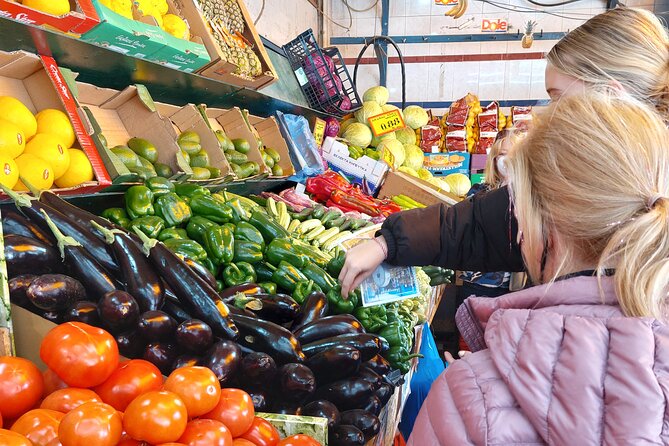
You then enter Kapani Market, Thessaloniki’s central market. This is where many local residents do their daily grocery shopping, which gives the stop more purpose than a quick photo visit. You choose vegetables with the cook’s help, selecting the produce that will go into your meal.
Kapani is likely to be one of the most memorable parts of the experience for anyone interested in ordinary food habits. You can see the ingredients before they are chopped, seasoned, or hidden inside a finished dish. The guide can also explain how the produce relates to Greek recipes and home cooking.
I like this approach because it turns the market into part of the class. You are not just looking at stalls. You are making decisions about the food you will later prepare.
The market can also be the least controlled part of the day. It is a working shopping area, not a quiet classroom. Expect activity, displays, and the normal distractions of a central food market. If you prefer a calm, carefully arranged culinary setting, this portion may feel a little untidy. That is also the point: you are seeing a real food market rather than a staged attraction.
A second stop at Modiano Market
The experience also includes Modiano Market, where you taste local cheese. The information provided does not set out the precise order of the two markets, so the schedule may vary according to the guide and the day’s arrangements.
Kapani and Modiano give you two different ways to look at Thessaloniki’s food culture. Kapani centers on the produce and the daily shopping ritual. Modiano adds cheese and another chance to see the city through what people buy and eat.
The cheese tasting is especially useful if you do not know much about Greek dairy products. It adds variety to the olive and vegetable focus, and it gives you a chance to ask how local ingredients are used at home or in tavern cooking.
Do not expect a full market tour with lengthy stops at every counter. This is a cooking experience, and the markets serve the lesson. The purpose is to gather ingredients and get a practical introduction, not to spend half a day cataloging every food stall.
Same place, a different set of stalls:
- Athens, Greek food tour including market visit
★ 5.0 · 618 reviews - Day Trip To Heraklion City Center & Market & CretAquarium
★ 4.5 · 205 reviews - Thessaloniki: Open Market Food Tour with Tasting
★ 4.8 · 186 reviews - Crete: Knossos Palace, Heraklion City, Market Guided Tour
★ 4.2 · 164 reviews
Cooking Greek dishes with a professional cook
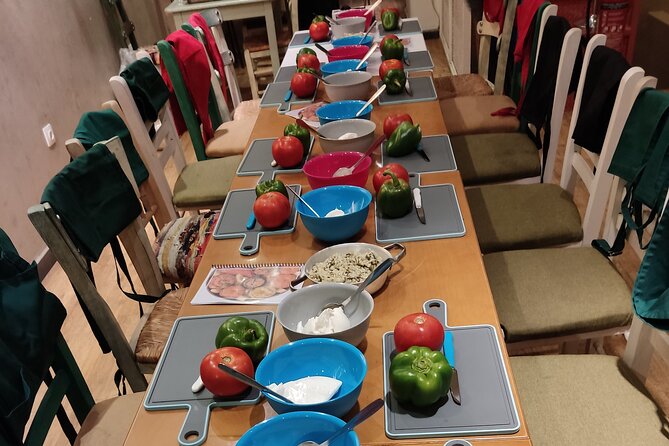
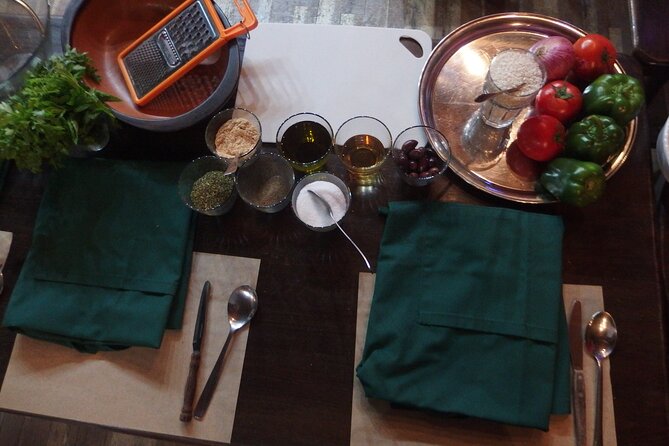
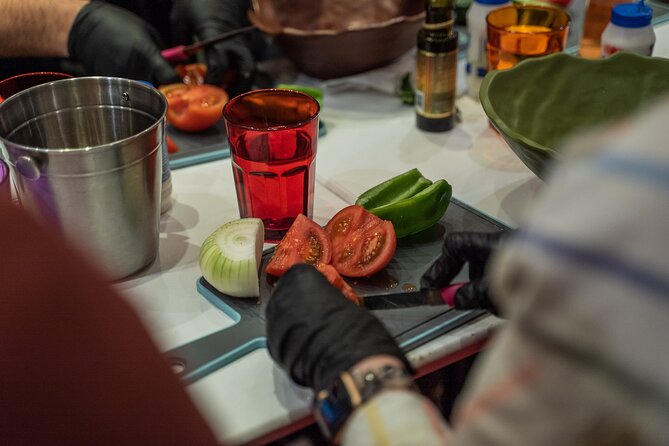
After shopping, you move into the cooking portion with a professional cook and facilitator. The emphasis is on traditional recipes that are familiar, approachable, and suited to a shared meal.
The planned dishes include:
- Tzatziki, made with yogurt, cucumber, and garlic
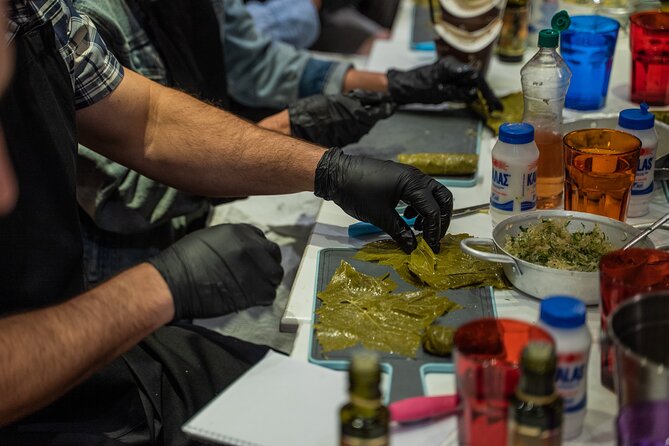
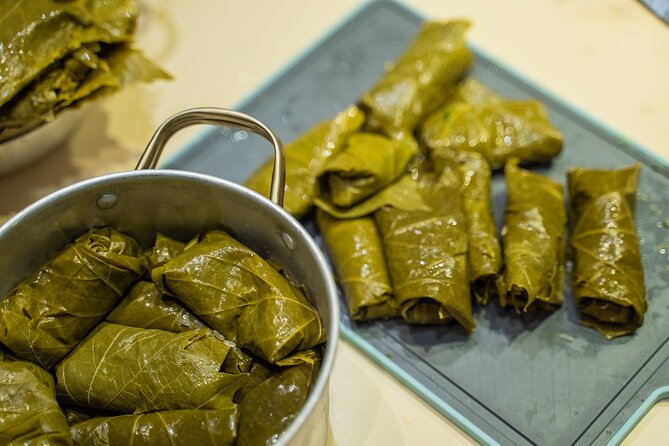
- Stuffed vine leaves, known as dolmadakia
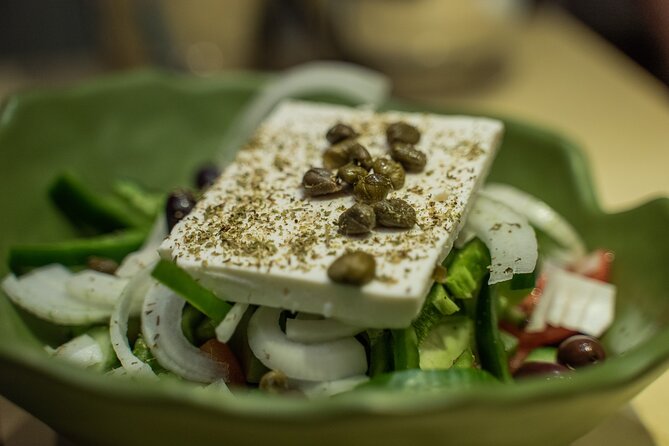
- Greek salad
- Stuffed vegetables, including peppers and tomatoes
- Chocolate salami for dessert
This menu covers several key parts of Greek cooking. Tzatziki teaches you how a few strong ingredients can create a useful sauce. Dolmadakia introduce the idea of wrapping filling in vine leaves. Greek salad shows how much depends on the quality and balance of the ingredients rather than complicated technique.
The stuffed peppers and tomatoes provide the most substantial main-course element. They also fit the market visit well, since you have just selected vegetables that become part of the meal. Chocolate salami finishes the class with something sweet and simple.
The class appears designed for participation, but you should set your expectations carefully. One participant felt there was not enough hands-on cooking and wanted a more complex menu, perhaps including filo dough. That is an important point for serious home cooks.
This is better understood as a friendly introduction to Greek recipes than as advanced culinary training. You will learn methods and recipes you can try at home, but you may not spend long periods working independently at the stove. The amount of direct cooking can depend on the group, the guide, and how the dishes are organized.
If you want to master difficult knife work, pastry, or restaurant-level technique, choose a more intensive cooking school. If you want to understand the basics of well-known Greek dishes and enjoy preparing food with other people, this format should fit better.
What Maria and Ellie add to the experience
The guide matters a great deal here because the activity combines food, shopping, and local explanation. Maria has received especially warm praise for making people feel at ease, explaining ingredients and recipes, and giving useful insight into Greek life. She has also been described as kind, helpful, and clear in her teaching.
Those details tell you what to look for from the guide. A good leader should do more than name the ingredients. You want someone who can explain where they come from, how they are used, and why certain dishes belong on a Greek table.
Ellie has also led the experience and was praised for her friendly approach, area knowledge, and explanations during the market visit. The guide assigned to your date may differ, but both Maria and Ellie have been associated with the qualities that matter most here: warmth, clear instruction, and an ability to connect the food with everyday life.
The class is offered in English. If you enjoy asking questions, use the market portion to ask about the vegetables and the cooking portion to ask which parts of each recipe can be changed at home.
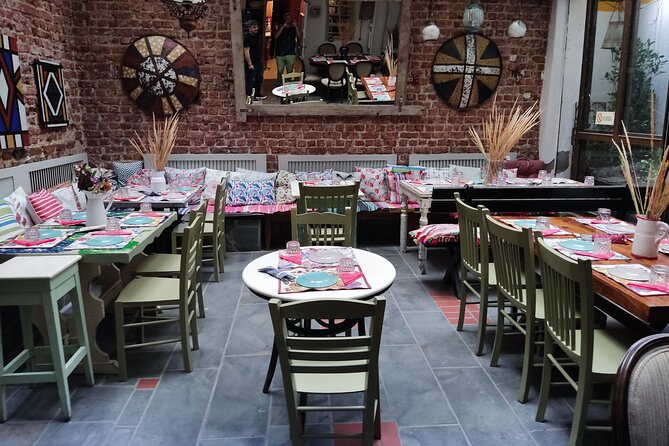
Eating your own lunch in a traditional tavern
The reward at the end is lunch made from the ingredients you have helped prepare. The food is served in a traditional tavern in the heart of Thessaloniki.
That setting makes the meal feel more complete than eating at a worktable in a cooking school. You have seen the food in the market, handled it during preparation, and now sit down to eat it in a place connected to the city’s restaurant culture.
The menu is broad enough to function as a full meal: appetizers, salad, main courses, and dessert. The dishes are not presented as isolated samples. You eat the tzatziki, dolmadakia, salad, stuffed vegetables, and chocolate salami as the result of the shared work.
Several people have singled out the food as a major strength, with one describing it as divine and another calling the meal amazing. I would still keep expectations realistic. The class menu favors traditional comfort food over elaborate presentation, and the experience is about learning and eating together rather than a formal fine-dining service.
The restaurant staff have also been praised for being attentive and friendly. That matters because a well-run lunch can make the final part of the experience feel relaxed after the market and kitchen work.
Is $108 a fair price?
At $108 per person, this is a midrange to premium food activity for a 3.5-hour outing. The price makes the most sense if you value the full chain of experiences: guided market shopping, tastings, cooking instruction, ingredients, and lunch.
You are not only buying a plate of Greek food. You are paying for access to a local cook, help choosing ingredients, explanations about recipes, and a meal that you had a hand in making. For a first visit to Thessaloniki, that combination can provide useful context for the rest of your dining.
The value is less convincing if you are an experienced cook who wants a demanding lesson. The menu is traditional and appealing, but it does not appear to focus on advanced techniques or complicated pastry work. The class may also feel expensive if your main goal is simply to have an inexpensive lunch.
I would book it for a couple, family, or small group that wants a shared activity with food at the center. It is also a good choice early in your stay, since the market visit can help you recognize ingredients and dishes during later meals.
Who should book this class?
You will likely enjoy this experience if you:
- Want a guided introduction to Greek food rather than a standard restaurant lunch
- Like markets and prefer seeing ingredients before they reach the plate
- Enjoy cooking in a relaxed group setting
- Want recipes that are familiar enough to try at home
- Are visiting Thessaloniki for a short time and want several food experiences in one outing
- Appreciate a guide who explains local life as well as the food
You may want another activity if you:
- Need a highly technical cooking lesson
- Want extensive independent time at the stove
- Hope to make filo pastry or other complex dishes
- Prefer a quiet, private meal with no group activity
- Have limited time for walking and market visits
The mixed detail about hands-on time is the one point I would take seriously. The class offers participation, but it may not mean that every person prepares every part of every dish. Ask about the group format if active cooking is your main reason for booking.
Practical details before you reserve
The meeting point is Aristotelous Square, in front of the Electra Palace Hotel. The tour lasts 3.5 hours and runs at various starting times, depending on availability.
English is the listed tour language. The activity includes the market visits, tastings, cooking instruction, ingredients, and lunch in the tavern. The dishes include tzatziki, dolmadakia, Greek salad, stuffed vegetables, and chocolate salami.
You can cancel up to 24 hours before the activity for a full refund. A reserve-now, pay-later option is also available, which can help if your Thessaloniki plans are still shifting.
Should you book it?
Book this experience if you want a friendly, food-centered introduction to Thessaloniki that combines local shopping with a sit-down meal. The strongest reasons are the Kapani Market visit, the explanations from guides such as Maria and Ellie, and the pleasure of eating food you helped prepare.
Skip it if you want an advanced cooking course or a menu built around complex techniques. The class leans toward classic Greek dishes, social cooking, and a pleasant lunch rather than serious culinary training.
For most first-time visitors who enjoy food and have 3.5 hours to spare, I think the market-to-table format offers solid value. You leave with a better sense of Greek ingredients, several recipes to try, and a meal that connects Thessaloniki’s markets with its tavern tables.
FAQ
Where does the Greek cooking experience begin?
It begins in Aristotelous Square, in front of the Electra Palace Hotel.
How long does the activity last?
The cooking experience lasts 3.5 hours.
What language is the tour conducted in?
The live tour is conducted in English.
Does the experience include a market visit?
Yes. You visit Kapani Market to choose vegetables and taste Greek olives. The experience also includes a visit to Modiano Market, where you taste local cheese.
What dishes will I prepare?
The listed dishes include tzatziki, stuffed vine leaves called dolmadakia, Greek salad, stuffed peppers and tomatoes, and chocolate salami for dessert.
Is lunch included?
Yes. You eat the appetizers, salads, main courses, and dessert you prepare in a traditional tavern in central Thessaloniki.
Who leads the cooking class?
A professional cook and facilitator leads the cooking session. Guides who have led the experience include Maria and Ellie.
How much does the activity cost?
The listed price is $108 per person.
Can I cancel for a full refund?
Yes. You can cancel up to 24 hours in advance for a full refund. A reserve-now, pay-later option is also available.
More Lunch Trips in Greece
- Cooking Class in Athens with Shopping in Central Market & Lunch
★ 5.0 · 55 reviews - Athens: Cooking Class, Market Visit & Lunch at Local Tavern
★ 4.9 · 27 reviews - Cooking Class and Lunch at a Tuscan Farmhouse with Local Market Tour from Florence
★ 5.0 · 4,831 reviews - Paris Cooking Class and Lunch with Wine plus Market Visit Option
★ 5.0 · 1,024 reviews
Just added around Greece
- Chania: Old Town, Public Market, Hill of Prophet Elias, Agia Triada★ 5.0 · 35 reviews
- Chania Old Town, Public Market and Chrisopigi Monastery Tour★ 4.5 · 6 reviews
- Chania: Morning Bites and Market Delights Food Tour★ 5.0 · 11 reviews
- Classic Athens Food Tour with Local Drink & Market Visit★ 5.0 · 34 reviews
- Cooking Class in Athens with Shopping in Central Market & Lunch★ 5.0 · 55 reviews
- Athens Markets Exploration Tour: From Ancient to Modern Times★ 5.0 · 2 reviews
- Athens Street Food Markets and Hidden Gems Experience★ 5.0 · 18 reviews
- Traditional breakfast in markets with olive oil and honey tasting★ 5.0 · 6 reviews
Market and Cooking Class Tours, compared.

Hanoi Cooking Class: Culture, Local Market & Meaning CSR Impact
Read our review →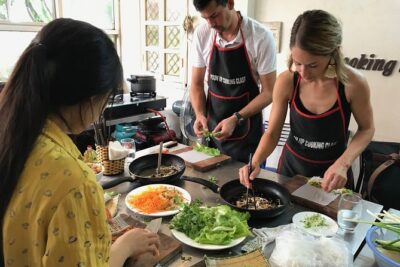
5 Traditional Dishes Hanoi Cooking Class with Market Trip
Read our review →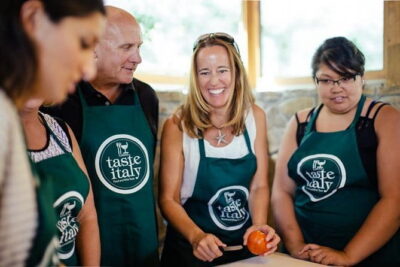
Cooking Class and Lunch at a Tuscan Farmhouse with Local Market Tour from Florence
Read our review →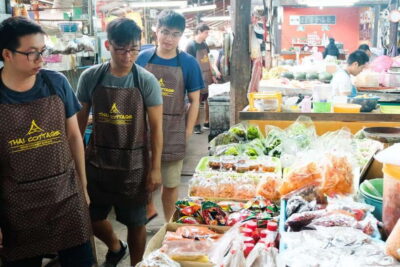
Cooking Class, Market & Thai Herbs Garden Tour
Read our review →
Authentic Cooking Class with Market & Farm Visit
Read our review →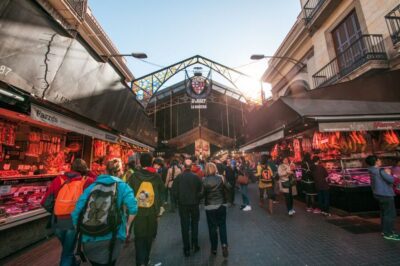
Paella Cooking Experience & Boqueria Market Tour
Read our review →
Cooking Class Hoi An:Local Market, Basket Boat, Fishing & Cooking
Read our review →
Hoi An Cooking Class(Market,BasketBoat Crabfishing&Cooking Class)
Read our review →Browse the lists this tour appears in