
Review · MUSEUMS
Santoña: Anchovy Art Gallery with Fishing Port and Market
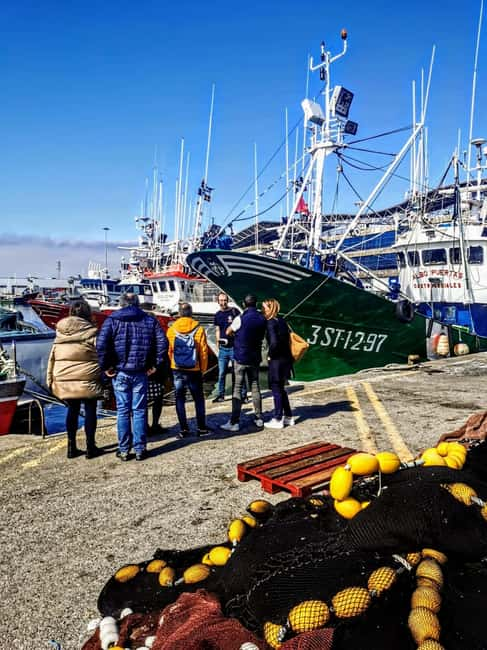
Santoña’s anchovy trade is not just a food story. It is a working port story, and this experience takes you from the harbor where fish arrive to the gallery where anchovies are prepared by hand. You’ll learn how purse seine boats operate, how ship registrations are read, and how the day’s catch reaches the market.
I like two things here. First, the port visit gives the anchovy a real setting instead of treating it as a packaged souvenir. Second, the gallery combines old machinery, a live filleting demonstration, and a tasting. The main consideration is timing: the experience is listed as a one-day activity, but the detailed schedule centers on a port visit followed by about 40 minutes at the gallery, so confirm the starting time when you book.
Key points to know before booking
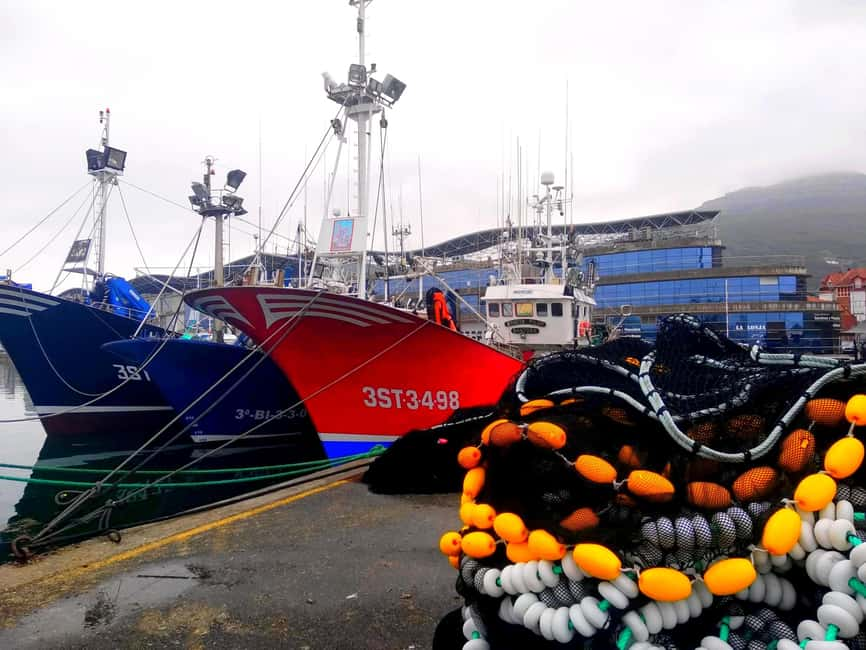
- See Santoña’s working fishing port first: Learn about purse seine vessels, ship registrations, and the auction process before tasting the finished product.
- Visit Conservas Ana María’s Anchovy Art Gallery: Antique machinery from the early 20th century helps explain how the trade developed.
- Watch anchovies being filleted: A skilled worker demonstrates the careful handwork behind the clean fillets.
- Taste the local specialty at the gallery: Your included tasting features freshly prepared anchovy fillets at the bar or shop.
- Ask for Nicolás: The guide, Nicolás C., leads the experience in Spanish, French, or English and uses physical and online material to explain the subject.
- Pay $20 for a focused local experience: The price includes the gallery entry and anchovy tasting, with a full refund available if you cancel at least 24 hours ahead.
Starting beside Santoña’s marshes and port
The experience begins at the Mirador de las Marismas and Santoña port. This is a useful starting point because you are not dropped straight into a factory explanation. You first see the place where the fishing trade operates.
The port visit is the key context for everything that follows. You’ll hear about purse seine vessels, the boats used to gather schooling fish, and learn how ship registrations identify the vessels. You’ll also get an introduction to the auction process, where the day’s catch is sold.
That order matters. Anchovies can seem like a simple item on a tapas plate. At the port, you begin to understand the chain behind them: boats, crews, landing, sale, preparation, and preservation. I prefer this kind of food visit because it connects the product to people and working routines.
Nicolás C. leads the tour and explains the subject in Spanish, French, or English. His approach appears especially suited to visitors who want more than a quick walk and a few facts. He brings physical and online material to help clarify the technical points, which is useful when ship markings, fishing methods, or auction procedures become difficult to follow.
The exact duration of the port portion is not clearly stated in the supplied schedule. One line contains an unusual 30-hour notation, which is almost certainly a booking-data error rather than the actual length of the walk. Treat the port visit as the opening guided part of the experience and check the confirmed start time before setting your day around it.
More Fishing Trips in Spain:
- Cooking Class Hoi An:Local Market, Basket Boat, Fishing & Cooking
★ 5.0 · 3,660 reviews - Hoi An Cooking Class(Local market,Basket Boat,Fishing & Cooking)
★ 5.0 · 1,323 reviews - Hoi An: Market Experience with Optional Fishing and Cooking
★ 4.7 · 928 reviews
Understanding the boats and auction floor
The port section is not simply a photo stop. The listed photo stop lasts five minutes, but the main port visit covers the operation of the harbor. You’ll have time to look at the vessels and then pause for photographs.
The most useful subjects are the purse seine boats and the auction process. If you have never followed fish from sea to market, these details give you a working vocabulary. You will be better prepared to understand why the port matters to Santoña and how a fish becomes a commercial product before it reaches the canning workshop.
The auction is also a reminder that fishing is governed by timing and movement. The day’s catch does not sit quietly waiting for a tour group. It arrives, gets assessed, and is sold as part of an active trade. The experience lets you observe that process in its proper setting, although the precise activity you see can depend on the port’s schedule on the day.
That is one practical limitation to keep in mind. A working port is not a staged museum. The port portion may be most rewarding for you if you enjoy explanations about local industry and are comfortable with the fact that operations can vary.
Entering the Anchovy Art Gallery at Conservas Ana María
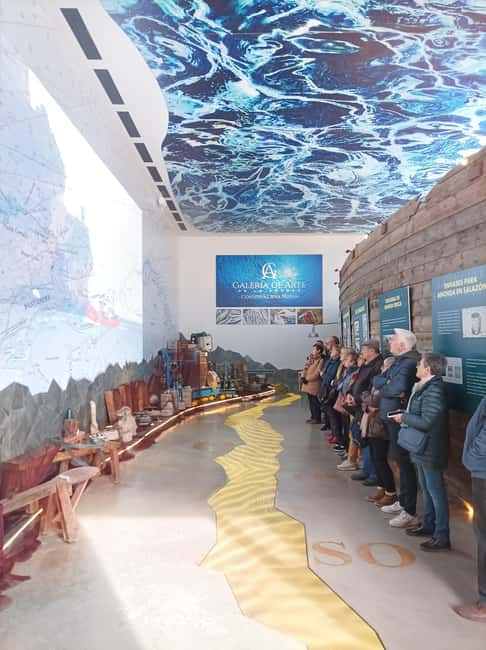
After the port, the experience moves to the Anchovy Art Gallery at Conservas Ana María. The gallery uses antique machinery dating from the early 20th century to show how anchovy processing was once carried out.
The setting gives the tour a strong historical angle without separating history from the product. You see the machines, hear about the work, and then watch the technique in person. That is more useful than looking at old equipment with no explanation.
A central part of the visit is the story of Sicilian anchovy filleting in the Cantabrian Sea. This detail adds an important layer to Santoña’s food identity. Local food traditions are rarely as isolated as they first appear, and the Sicilian connection shows how methods and workers can shape a coastal industry across borders.
Nicolás explains the background and provides additional material when needed. His fluency and preparation have been a major strength of this experience. For you, that means the gallery visit should work well even if you know very little about anchovies before arriving.
The gallery portion lasts about 40 minutes and includes the tasting. That is long enough for a clear introduction, a demonstration, and a sample, but it is not a full factory workday. If you want a detailed industrial tour covering every stage of production, this may feel brief. If you want a focused look at Santoña’s signature food, the length is sensible.
Watching the careful work of filleting
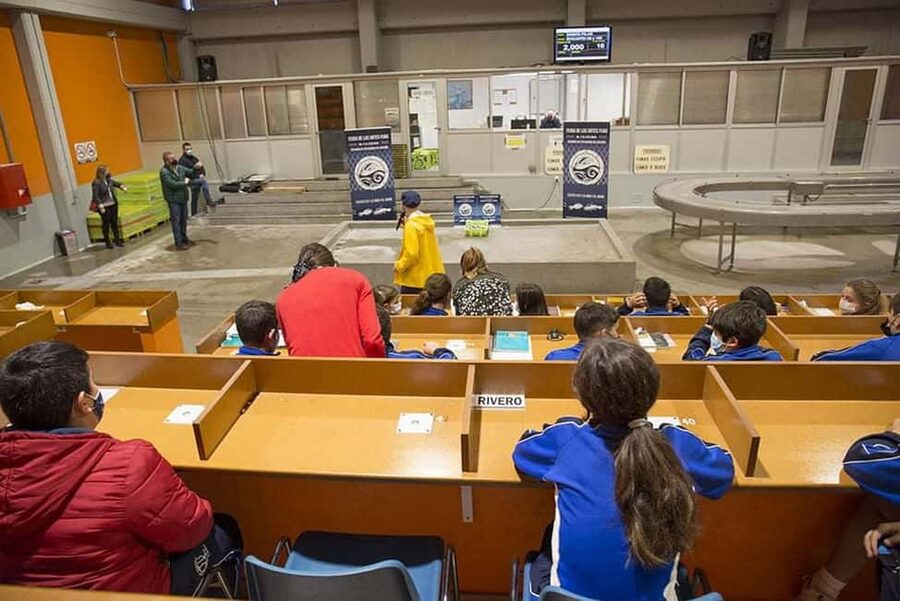
The filleting demonstration is the most hands-on moment of the visit. A skilled worker shows how anchovies are filleted, giving you a close look at the manual work behind the finished food.
This is where the tour earns its price. A jar or plate of anchovies hides the labor involved in cleaning and preparing each fish. Seeing the technique makes it easier to judge the difference between an ordinary snack and a carefully prepared regional product.
The demonstration also gives the tasting more meaning. You are not sampling an unnamed food at the end of a general sightseeing tour. You have just seen the method, the tools, and the care involved in producing the fillets.
The information provided does not specify the size of the group or exactly how close you stand during the demonstration. Keep your expectations practical: this is a guided gallery visit with a demonstration, not a private cooking lesson. Still, the format should appeal to anyone interested in food production, craft, fishing, or local identity.
More Museum Visits in Spain:
- Private Malaga: Alcazaba, Museum, Market, Cathedral & Picasso
★ 5.0 · 28 reviews - Dubai: Old Town, Creek, Museums, Souks, & Street Food Tour
★ 4.8 · 10,816 reviews - Cairo 8 Hour Private Tour of Pyramids, Egyptian Museum and Bazaar
★ 5.0 · 2,931 reviews - Frida Kahlo VIP [Museum Tickets Included] Bike, Markets & Churros
★ 5.0 · 1,072 reviews
Tasting Santoña’s anchovies at the bar and shop
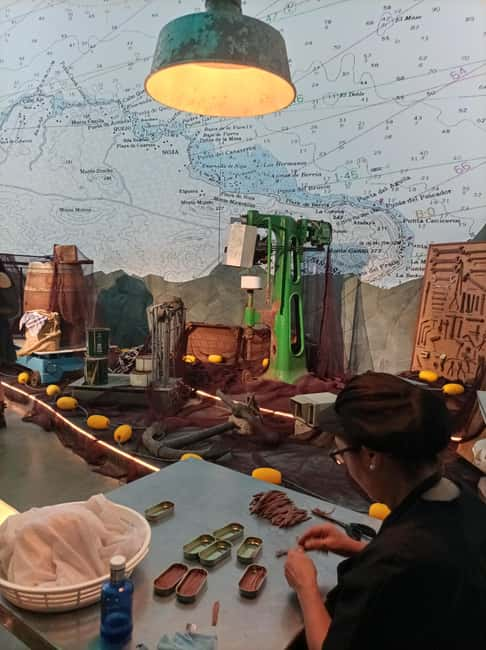
The tasting takes place at the bar or shop inside the Anchovy Art Gallery. Entry to the gallery and the anchovy fillet tasting are included in the $20 price.
The tasting is short, but it gives you the payoff the earlier sections build toward. You can focus on the anchovy’s savory flavor and the texture of a fillet prepared through the demonstrated process. For many people, this will be the most memorable part because it turns the story into a direct sensory experience.
I like that the tasting is placed after the port and gallery. You first see where the fish belong, then learn how the product is handled, and only then taste it. That sequence makes the food feel connected to Santoña rather than presented as a generic sample.
Do not book this expecting a full meal. The included item is an anchovy fillet tasting, and the information provided does not promise a larger menu, drinks, or several courses. If you are hungry, plan your meal separately.
The bar and shop may also be useful if you want to continue the experience after the formal tour. The supplied details confirm that the tasting happens there, but they do not specify what additional products are available for purchase. Ask on site if you want to take something home.
What the guide adds to the experience
Nicolás C. is the named guide for this experience, and his role is more important than it might be on a standard sightseeing walk. The subject includes fishing terms, ship registrations, processing methods, and regional history. Clear explanation makes the difference between a pleasant visit and a confusing one.
The available feedback consistently points to his command of the topic, his fluent communication, and his attention to making the material understandable. One useful detail is that he brings both online and physical material, so you are not relying only on a spoken explanation while looking at unfamiliar boats or machinery.
You can book the tour in English, French, or Spanish. That makes the experience practical for international visitors, especially because the subject has plenty of specialized vocabulary.
The tour also suits you if you like asking questions. Nicolás’s role is not limited to pointing at objects. He explains how the port and the anchovy trade fit together, and the supplied comments describe him as attentive to the quality of the visit. Still, the experience is guided rather than self-paced, so people who prefer to wander alone may find the format more structured than they want.
Is $20 a fair price?
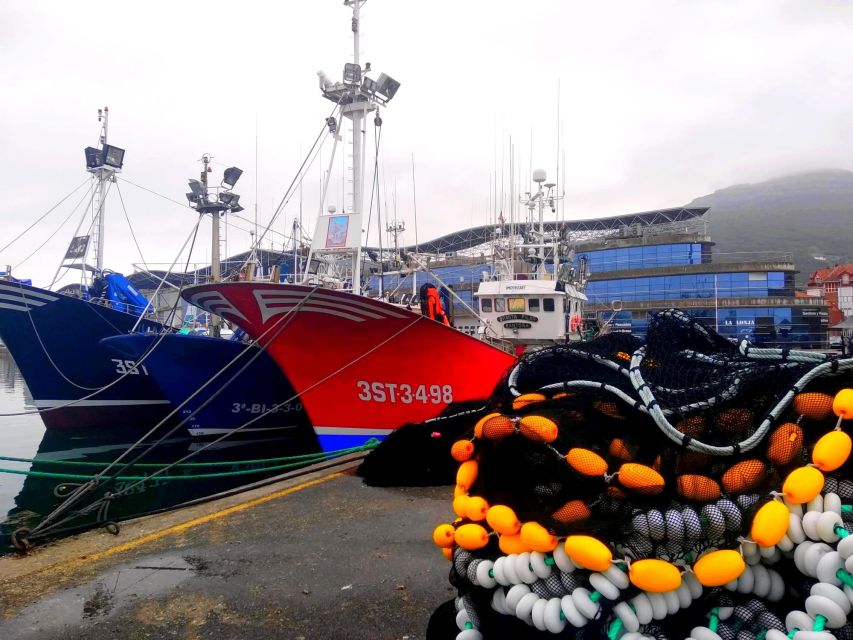
At $20 per person, this is a good-value outing if you are interested in Santoña’s fishing culture and local food. The price includes the guided port visit, entry to the Anchovy Art Gallery, and an anchovy tasting. You are paying for interpretation as much as for admission and food.
The value is strongest when you take the full sequence seriously. A tasting alone would be a small purchase. A gallery alone might explain the machinery but leave out the working harbor. Together, the port, gallery, demonstration, and sample create a more complete picture of the product.
The price is less compelling if you want a long industrial visit, a large meal, or a broad tour of Santoña’s other sights. None of those are promised. This is a focused experience built around one local industry.
It also makes a useful choice for a short stay. The meeting point is by the marshes and port, and the route returns there after the gallery. You do not need to arrange a separate transfer between the main parts of the experience.
Who should book this Santoña experience?
I would recommend it to you if you enjoy food with a story, working ports, and small museums with a clear local purpose. It is especially well suited to people who want to understand how a regional specialty is made rather than simply taste it.
Families with older children may also find it useful because the boats, auction process, old machines, and live demonstration give the visit several points of interest. The information provided does not specify a minimum age or a child-focused format, so do not assume it is designed as a children’s tour.
Food-minded visitors should get good value from the tasting and the explanation of filleting. Anyone with a professional interest in fishing, canning, or traditional food production will likely appreciate the technical details more than someone looking for a general sightseeing walk.
You should think twice if you dislike fish, have no interest in working ports, or want a flexible day with no set structure. The tour is centered tightly on anchovies and the fishing trade. That focus is its strength, but it will not suit every itinerary.
Booking is flexible: you can reserve now and pay later, and cancellation is free up to 24 hours before the activity for a full refund. Check availability for the actual starting time, since the experience is listed as valid for one day but does not provide one fixed departure time.
Should you book it?
Book this tour if you want Santoña’s anchovies explained from boat to fillet. The strongest features are the working port setting, the early 20th-century machinery, the live filleting demonstration, and Nicolás C.’s clear guidance in three languages.
Skip it if you want a full meal, a long factory visit, or a broad tour of the town. At $20, it is a focused and fairly priced introduction to one of Cantabria’s most distinctive foods, with enough practical context to make the tasting worthwhile.
FAQ
Where does the Santoña anchovy tour begin?
It begins at the Mirador de las Marismas and Santoña port.
What places does the experience visit?
It visits Santoña’s fishing port and the Anchovy Art Gallery at Conservas Ana María.
What can I learn at the fishing port?
You can learn about purse seine vessels, ship registrations, and the auction process used to sell the day’s catch.
Is there a photo stop?
Yes. The schedule includes a five-minute photo stop at Santoña port.
What is the Anchovy Art Gallery?
It is a gallery at Conservas Ana María with antique machinery dating from the early 20th century and displays connected to anchovy processing.
Is there a filleting demonstration?
Yes. A skilled worker demonstrates how anchovies are filleted.
Is food included?
Yes. The experience includes a tasting of anchovy fillets at the bar or shop in the Anchovy Art Gallery.
What languages are available?
The live tour is available in Spanish, French, and English.
How much does the experience cost?
The listed price is $20 per person.
Can I cancel for a full refund?
Yes. You can cancel up to 24 hours in advance for a full refund.
Just added around Spain
- Explore Bilbao’s Flavors Mercado de la Ribera and Old Town★ 4.5 · 3 reviews
- CERTAL Exclusive Tour: LA RIBERA Market + GASTROBARS Bilbao (3h)★ 4.5 · 12 reviews
- Spanish Oysters, Cava and Ibérico Ham at Barcelona’s La Boqueria Market★ 5.0 · 8 reviews
- Taste of Barcelona: Boqueria Market, Tapas & History Tour★ 4.5 · 22 reviews
- Private Barcelona Market Tour & Paella Cooking Class with Josh★ 5.0 · 4 reviews
- Barcelona La Boqueria & Sant Antoni Private Food Experience★ 5.0 · 7 reviews
- Cook Paella & Tapas + Market Tour in Barcelona (4-Course Meal)★ 5.0 · 2 reviews
- Market Gourmet Visit and Spanish Culinary Experience in Barcelona★ 5.0 · 34 reviews
Museums, compared.
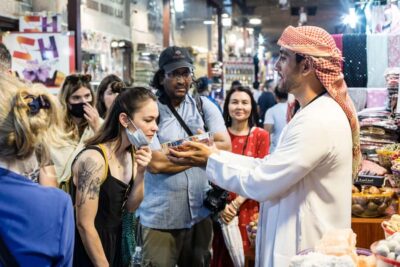
Old Town, Creek, Museums, Souks, & Street Food Tour
Read our review →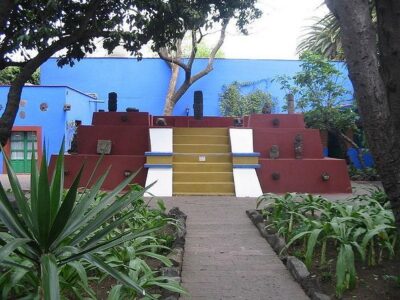
Frida Kahlo VIP [Museum Tickets Included] Bike, Markets & Churros
Read our review →
Frida Kahlo VIP [Museum Tickets Included] Walk, Markets & Churros
Read our review →
Private Pyramids, Museum & Bazaar Tour with Lunch
Read our review →
Day Tour to Giza Pyramids Complex, Egyptian Museum & Bazaar
Read our review →
The Egyptian Museum, the Citadel, Khan Khalil Bazaar & Old Cairo
Read our review →
Dubai.Discover Old town,Markets,street food,Abra &Museums
Read our review →Browse the lists this tour appears in