
Review · MARKET AND COOKING CLASS TOURS
San Sebastián: Market Tour and Basque Cooking Class English
San Sebastián’s food culture makes the most sense when you start before lunch, while the market is opening and cooks are choosing what will go into the pot. This experience takes you from local vendors to a working kitchen, with a chef explaining not only what to buy, but why Basque cooks care so much about each ingredient.
I especially like the market visit and the small group limit of 10. You get a direct look at the products behind the region’s famous cooking, then enough space to work in pairs rather than simply watch a demonstration. The main consideration is the $164 price, which is fair only if you value the market walk, full meal, and wine pairings as much as the cooking lesson.
Key points
- The market comes first: Meet vendors, hear their stories, and learn how Basque cooks select ingredients.
- Four classic dishes: Prepare cod omelette, hake in green sauce, grilled ribeye with piquillo peppers, and burnt Basque cheesecake.
- Three regional drinks: Pair the food with local cider, txakoli, and Rioja wine.
- Small English-language class: The group is limited to 10 people, with cooking done in pairs.
- A useful morning activity: The 3.5-hour schedule gives you a focused introduction to San Sebastián’s food culture.
- Check mobility details carefully: The information describes the activity as wheelchair accessible but also says it is not suitable for wheelchair users or people with mobility impairments.
Starting at San Sebastián’s market
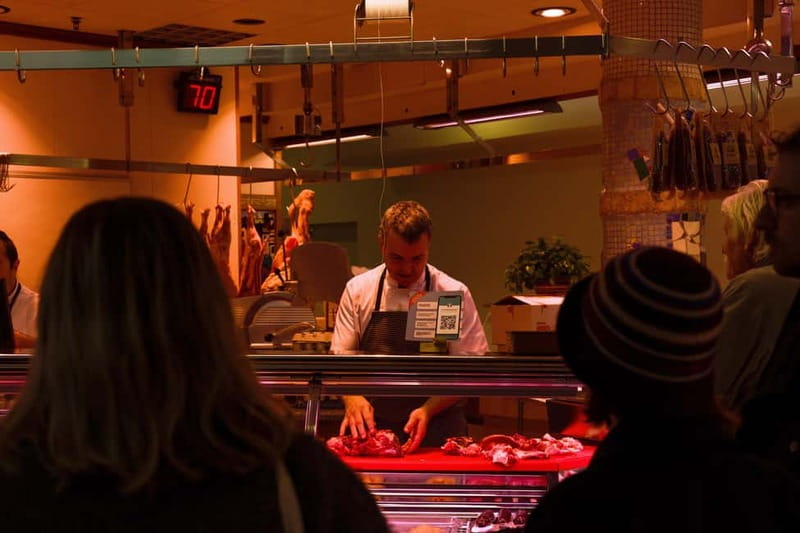
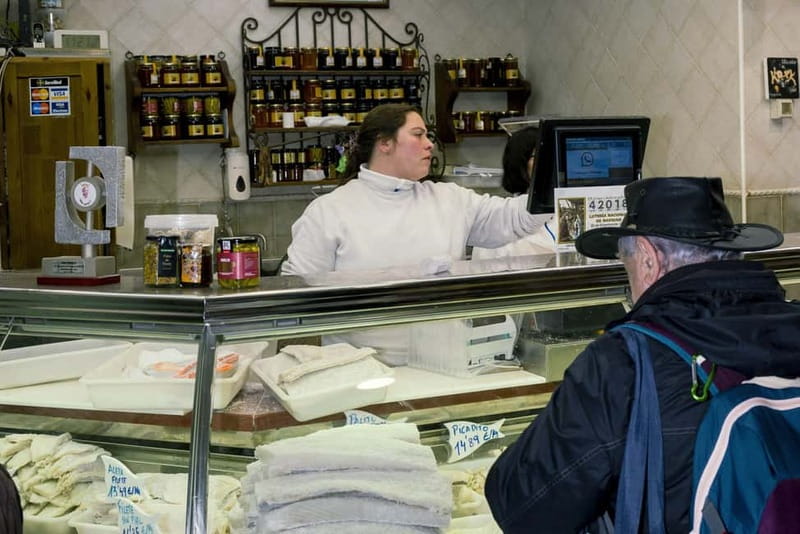
The meeting point is outside the tourist office. From there, you head to a local market as the city begins its day. That timing matters. You are not simply walking through a food hall after everything has been arranged for you. The market visit is part of the lesson, and you are encouraged to engage with the vendors.
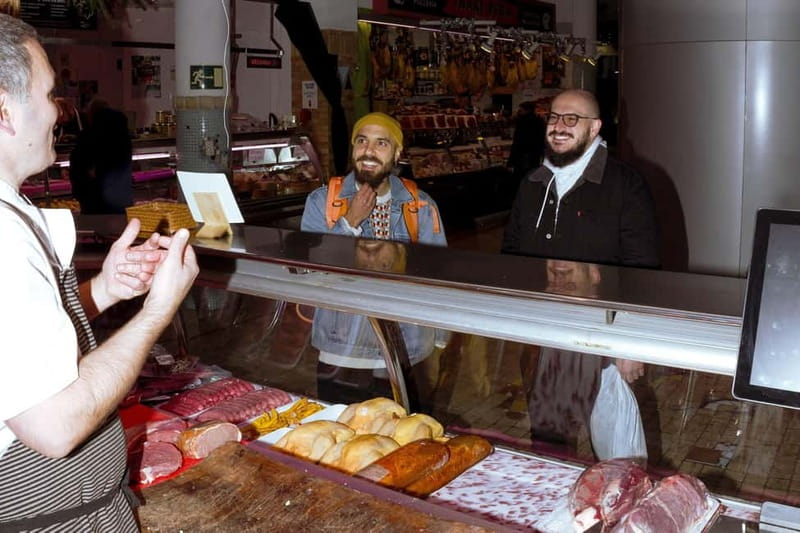
I like this approach because it puts the cooking in context. A recipe can tell you what to do with cod or hake. A market visit helps you understand how those ingredients enter Basque kitchens in the first place. You will meet sellers, hear their stories, and look at the produce, fish, meat, and other ingredients with your guide.
The guide’s emphasis is on reverence, curiosity, and joy rather than technical food jargon. That makes the tour useful even if you are not a serious cook. You do not need to arrive with a long list of culinary questions. Pay attention to how the guide talks about freshness, selection, and everyday use.
The market is also the most local part of the experience. San Sebastián is famous for restaurants and pintxos bars, but food culture is not only about eating at the finished table. Seeing where ingredients come from gives you a better sense of why the city takes simple products so seriously.
More Market and Cooking Class Tours in Spain
- Barcelona: Paella Cooking Experience & Boqueria Market Tour
★ 4.8 · 3,661 reviews - Barcelona Paella Cooking Class with Market Visit, Tapas & Sangria
★ 5.0 · 2,531 reviews - Paella Cooking Class, Wine Tasting & Central Market in Valencia
★ 5.0 · 1,150 reviews
From market shopping to the cooking school
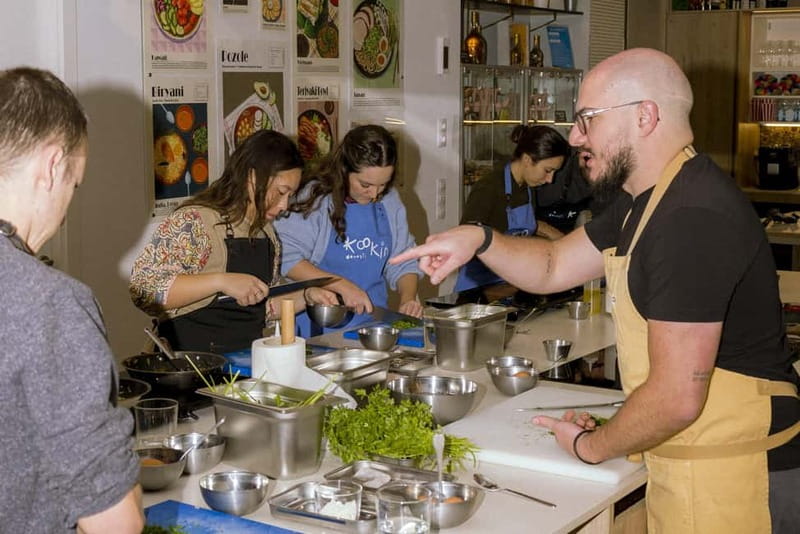
After the market, you walk back toward the cooking school with the group. The route includes a few city landmarks, though this is not a full sightseeing tour. Think of it as a short transition that helps the group get acquainted before the hands-on part begins.
That change of setting is well judged. At the market, your attention is on ingredients and vendors. On the walk, you have time to settle into the group. At the school, you are ready to share a work space rather than remain a collection of strangers around a demonstration counter.
Your chef and guide is described as someone who arrived in San Sebastián as an outsider and fell for the culture and food. That perspective can be useful. You get an explanation from someone who has learned the local habits while also understanding the questions an international visitor may have.
Carlos has received particular praise for clear explanations and a warm approach. If Carlos is leading your session, expect a guide who keeps the instruction easy to follow and makes room for questions. Since guide assignments can vary, I would not book on the assumption that he will always be your instructor.
Four Basque dishes around the stove
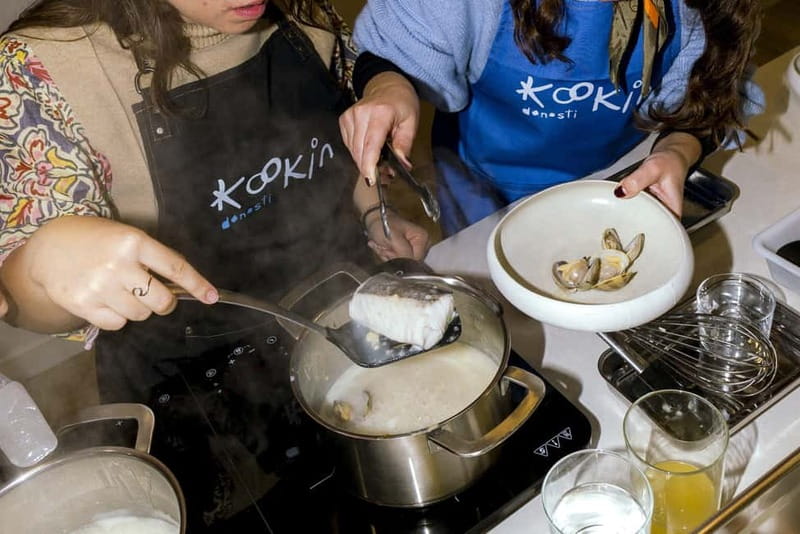
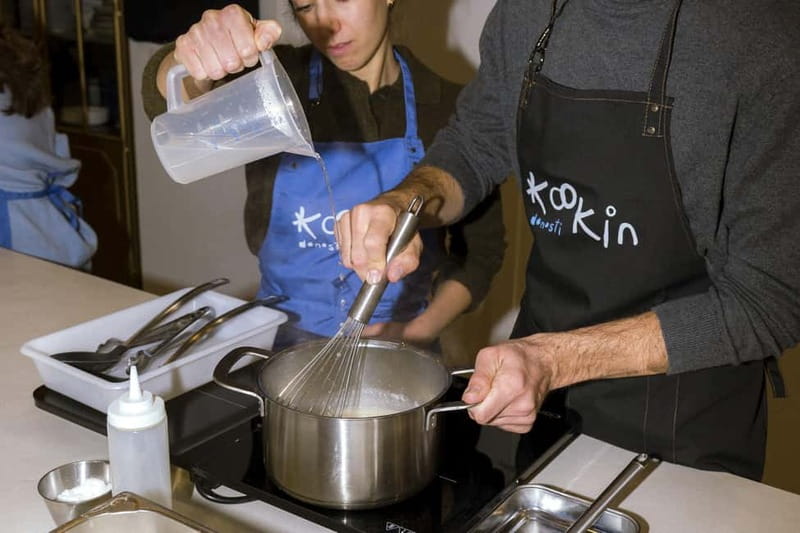
The cooking is done in pairs, with everyone sharing space and stories around the stove. This format gives you more to do than a class where you only watch a chef prepare the food, but it also means you should be comfortable cooperating with another participant.
The recipes are approachable, yet they are not throwaway dishes chosen only because they are easy for beginners. Together, they show several sides of Basque cooking: eggs and salt cod, fish with a classic sauce, beef with peppers, and a well-known dessert.
Cod omelette with local cider
The first dish is a cod omelette, paired with local cider. It is a good opening recipe because it introduces a familiar ingredient in a distinctly Basque setting. You get to work with a dish that is simple enough to follow while learning how the region treats fish as a central part of its table.
The cider pairing adds a useful regional touch. Instead of treating the drink as an afterthought, the class serves it with the dish it is meant to accompany. You taste the omelette hot, then see how the cider changes the meal.
Same place, a different set of stalls:
- Valencian paella cooking class, tapas and visit to Ruzafa market.
★ 5.0 · 828 reviews - Spanish Cooking Class & Triana Market Tour in Sevilla
★ 5.0 · 760 reviews - Seville: 3.5-Hour Spanish Cooking Class & Triana Market Tour
★ 4.9 · 751 reviews - Valencia: Paella Cooking Class with Central Market Tour
★ 5.0 · 721 reviews
Hake in green sauce with txakoli
Next comes hake in green sauce, an iconic Basque preparation paired with txakoli. This is likely the most technique-focused dish of the four, since the sauce is central to the result. You are not just cooking a piece of fish. You are learning how a restrained sauce can carry a dish without hiding the main ingredient.
The txakoli pairing keeps the course tied to the region. The drink is part of the meal plan, not an optional purchase at the end. If you enjoy comparing food and wine, this course gives you a clear chance to notice how the sauce, fish, and drink work together.
Grilled ribeye with piquillo peppers and Rioja
The ribeye brings a richer, heartier course to the stove. It is served with piquillo peppers and paired with Rioja wine. This gives the class a different pace and flavor from the fish dishes.
I like that the menu includes a dish with straightforward appeal. You do not have to be adventurous to enjoy the meal, but the piquillo peppers and Rioja keep it tied to northern Spain. The class also serves each dish as it is finished, so you are eating the food at its best rather than waiting for everything to be plated at once.
Burnt Basque cheesecake
The final recipe is burnt Basque cheesecake, the dessert that has become one of the region’s best-known exports. Making it yourself is more useful than simply ordering a slice in a restaurant because you can connect the appearance and texture with the method used in class.
The dessert also provides a natural finish to the meal. After the savory dishes and drink pairings, you end with something distinctly local and easy to remember. You leave with a recipe you can try at home, though success will depend on having the right oven and ingredients.
Why the drink pairings matter
The included drinks are local cider, txakoli, and Rioja wine. That is a strong part of the value, especially because the beverages are matched to specific dishes rather than poured without explanation.
You are not paying only for four recipes. You are also getting a guided tasting of three drinks that help explain how Basque food is enjoyed. The cider works with the cod omelette, txakoli accompanies the hake, and Rioja goes with the ribeye and peppers.
If you do not drink alcohol, contact the provider before booking to discuss your needs. The supplied information confirms the drink pairings but does not specify nonalcoholic alternatives. It also says additional food and drinks are not included, so anything beyond the planned tasting costs extra.
What the $164 price includes
At $164 per person, this is not a budget cooking class. The value depends on how you compare it with a normal morning in San Sebastián.
The price includes the market visit, professional instruction, all cooking ingredients, the prepared meal, and the three drink pairings. You also receive a small group experience capped at 10 people. For a visitor who wants one organized food-focused activity, those inclusions make the price easier to justify.
The class lasts 3.5 hours, which is long enough to move beyond a quick demonstration. You spend time in the market, walk back through the city, cook several dishes, and eat them as they are completed. I would consider it good value if you want both a meal and a lesson, especially since the market component gives the activity more substance than a kitchen-only class.
It is less attractive if you mainly want a cheap lunch or already have several restaurant meals planned. You will pay for teaching, organization, ingredients, and drinks, not just the food on your plate. There is also no hotel pickup or drop-off, so you must make your own way to the tourist office.
The class atmosphere and group size
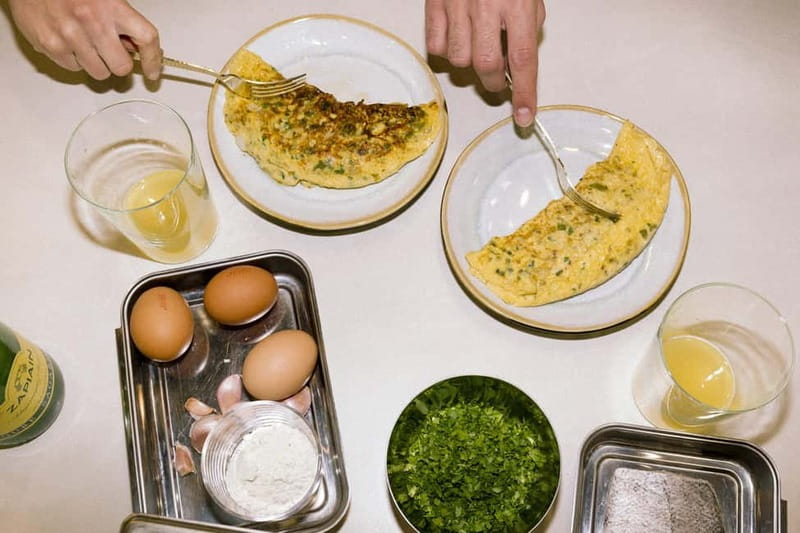
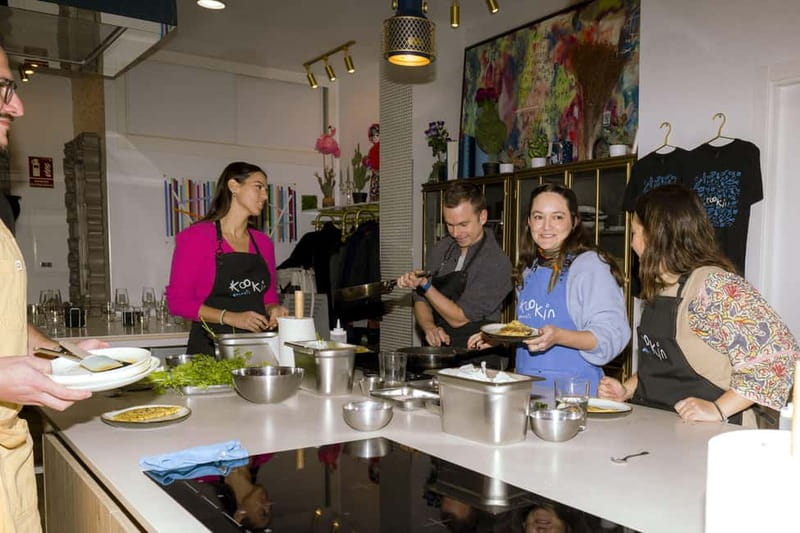
A maximum of 10 participants is a useful limit. Cooking schools can become crowded when too many people share one counter, but this group size allows for paired work without turning the session into a private lesson.
The arrangement also encourages conversation. You cook alongside someone, share tools and space, and eat between courses. The point is not to rush through a list of recipes. The pace is built around cooking, tasting, and talking.
That social side may be a major part of the appeal for solo visitors or couples who want to meet people. It may be less appealing if you prefer complete control over your kitchen station. Pair work requires patience, especially when the class is moving through several dishes in one morning.
The cooking school itself has been described as beautiful and state of the art. That suggests a comfortable setting for the practical work, though the details provided do not specify the equipment at each station or how much individual cooking space each pair receives.
What to wear and how to prepare
Wear comfortable walking shoes. The market visit and walk back to the school make this more than a seated class, and you will be on your feet for much of the 3.5 hours.
Choose clothing suitable for cooking. You do not need special equipment, but practical clothes are better than anything delicate or difficult to move in. Bring water and a camera if you want to record the market and dishes.
Tell the provider about allergies or dietary restrictions in advance. This is especially important because the menu includes cod, hake, beef, dairy, and other ingredients, and the tasting is built around a fixed set of dishes. The supplied information does not promise that every restriction can be accommodated, so ask before paying.
Smoking is not allowed during the activity.
Mobility and accessibility details
There is a clear conflict in the supplied information. One section describes the experience as wheelchair accessible, while another says it is not suitable for wheelchair users or people with mobility impairments.
I would not rely on the general accessibility label. Contact Kookin Donosti SL before booking and ask about the walking route, market access, entrance to the cooking school, seating, restroom access, and the amount of standing required. The market visit is integral to the experience, so accessibility must cover the whole route, not only the kitchen.
Who will get the most from this class
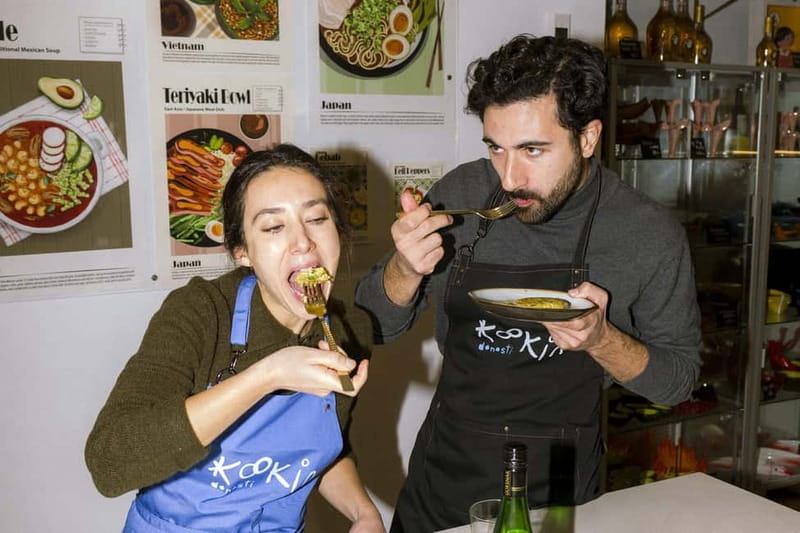
I would recommend this experience to you if food is one of your main reasons for visiting San Sebastián. It suits curious eaters who want to understand the ingredients behind the city’s cooking, not just collect another restaurant reservation.
It is also a good choice for couples, solo visitors, and small groups who enjoy meeting people while doing something practical. The English instruction and small class limit make it approachable, and the recipes are substantial enough to give you something useful to take home.
You may want to skip it if you dislike group cooking, do not want a morning market visit, or are looking only for an inexpensive meal. It is also a poor fit if walking and standing are difficult unless the provider confirms that the full route works for you.
The class has received a perfect score from the five ratings provided, with particular praise for the market information, clear instruction, polished kitchen, enjoyable food and drinks, and well-managed schedule. One participant felt the three hours passed quickly, which is a good sign for an activity with this many moving parts.
Should you book the San Sebastián cooking class?
Book it if you want a food lesson with a local setting, not just a cooking demonstration. The market visit is the feature that gives the experience its character, while the four-course menu and drink pairings make it feel like a complete morning rather than a short workshop.
At $164, I would treat it as a special activity. The price makes sense for the market access, professional chef, ingredients, full meal, regional drinks, and small group. Confirm dietary needs and mobility arrangements before booking, then arrive in comfortable shoes with an appetite.
FAQ
Where does the experience begin?
You meet outside the tourist office in San Sebastián.
How long does the activity last?
The cooking class and market experience last 3.5 hours.
What language is the class conducted in?
The instructor teaches in English.
What dishes will I prepare?
You will prepare a cod omelette, hake in green sauce, grilled ribeye with piquillo peppers, and burnt Basque cheesecake.
Which drinks are included?
The activity includes local cider, txakoli, and Rioja wine paired with the dishes.
Is the market visit included?
Yes. The local market visit is included and is an integral part of the experience.
Can I cancel for a refund?
You can cancel up to 24 hours in advance for a full refund. You can also reserve now and pay later.
Just added around Spain
- Explore Bilbao’s Flavors Mercado de la Ribera and Old Town★ 4.5 · 3 reviews
- CERTAL Exclusive Tour: LA RIBERA Market + GASTROBARS Bilbao (3h)★ 4.5 · 12 reviews
- Spanish Oysters, Cava and Ibérico Ham at Barcelona’s La Boqueria Market★ 5.0 · 8 reviews
- Taste of Barcelona: Boqueria Market, Tapas & History Tour★ 4.5 · 22 reviews
- Barcelona La Boqueria & Sant Antoni Private Food Experience★ 5.0 · 7 reviews
- Private Barcelona Market Tour & Paella Cooking Class with Josh★ 5.0 · 4 reviews
- Cook Paella & Tapas + Market Tour in Barcelona (4-Course Meal)★ 5.0 · 2 reviews
- Market Gourmet Visit and Spanish Culinary Experience in Barcelona★ 5.0 · 34 reviews
Market and Cooking Class Tours, compared.

Hanoi Cooking Class: Culture, Local Market & Meaning CSR Impact
Read our review →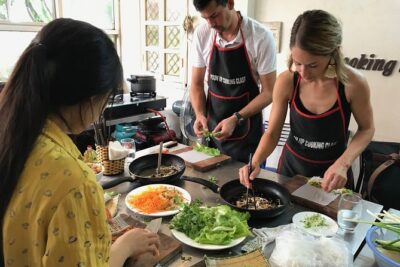
5 Traditional Dishes Hanoi Cooking Class with Market Trip
Read our review →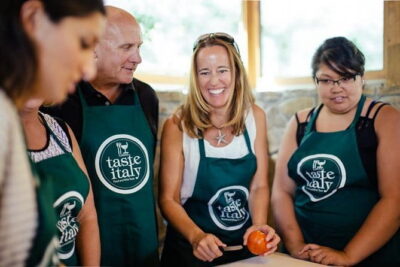
Cooking Class and Lunch at a Tuscan Farmhouse with Local Market Tour from Florence
Read our review →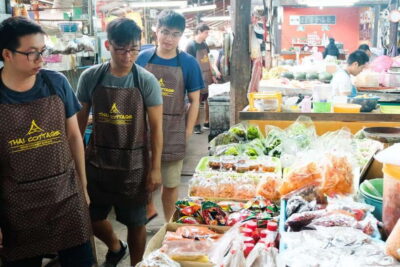
Cooking Class, Market & Thai Herbs Garden Tour
Read our review →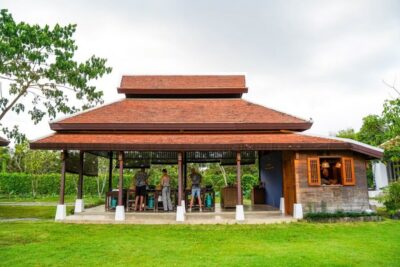
Authentic Cooking Class with Market & Farm Visit
Read our review →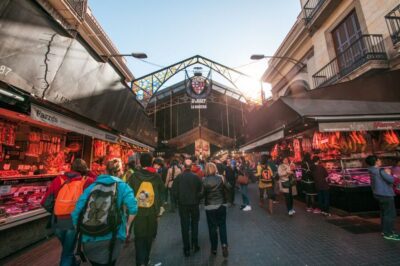
Paella Cooking Experience & Boqueria Market Tour
Read our review →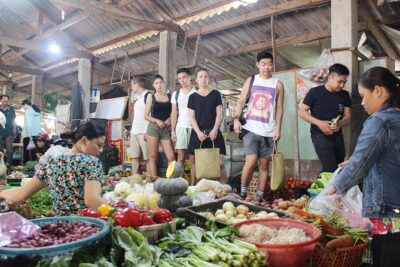
Cooking Class Hoi An:Local Market, Basket Boat, Fishing & Cooking
Read our review →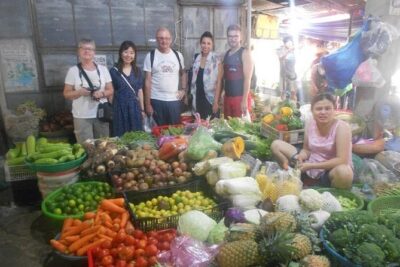
Hoi An Cooking Class(Market,BasketBoat Crabfishing&Cooking Class)
Read our review →Browse the lists this tour appears in