
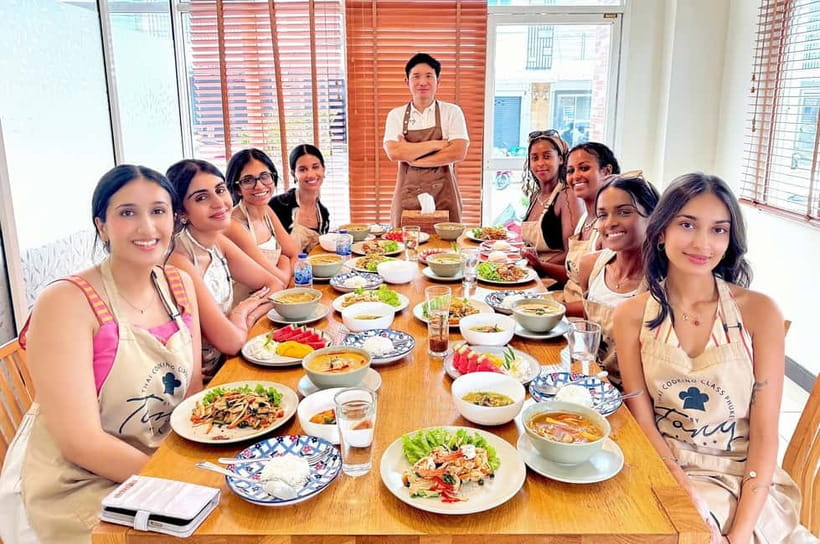
Review · MARKET AND COOKING CLASS TOURS
Phuket: Thai Cooking Class with 4 Dishes and Market Visit
The best part of this Phuket experience happens before the cooking begins: you walk through a local market, taste Thai fruit, a snack, and a dessert, then use what you have seen to prepare your own meal. This gives the class a useful connection to everyday Thai food instead of treating cooking as a stand-alone demonstration.
I like the market visit, which adds a cultural layer and helps you recognize fresh Thai ingredients. I also like the hands-on format: you cook at your own station while the instructor guides each step, and you choose dishes that fit your taste.
The main consideration is practical: hotel pickup and drop-off are not included, and anyone aged six or older who attends without cooking must pay 1,200 THB in cash at the school. The meeting point can be found by searching Google for Thai Cooking Class Phuket by Tony.
Key points
- Market tasting before class: Try a Thai fruit, snack, and dessert while learning about the ingredients used in local cooking.
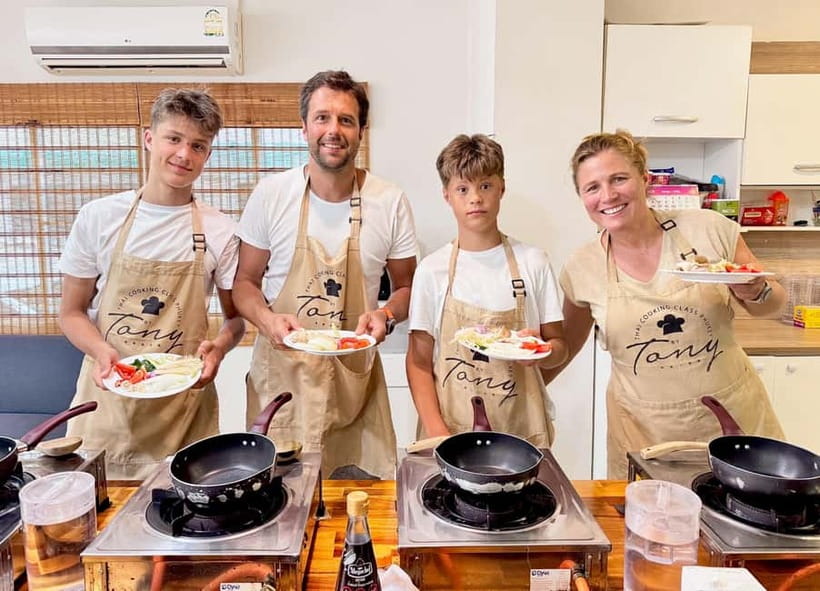
- Four dishes in one session: Prepare soup, curry, stir fry, and either spring rolls or mango sticky rice.
- Personal cooking station: Follow the instructor step by step rather than simply watching a chef work.
- Flexible menu choices: The class menu changes, with choices such as Tom Yum, Green Curry, Pad Thai, and Pad Kra Pow.
- Useful home-cooking advice: Learn about Thai herbs, seasonings, and substitutions for ingredients you may not find at home.
- Recipes to take home: Leave with a recipe book so the class can continue in your own kitchen.
A market first, then a Thai meal of your own
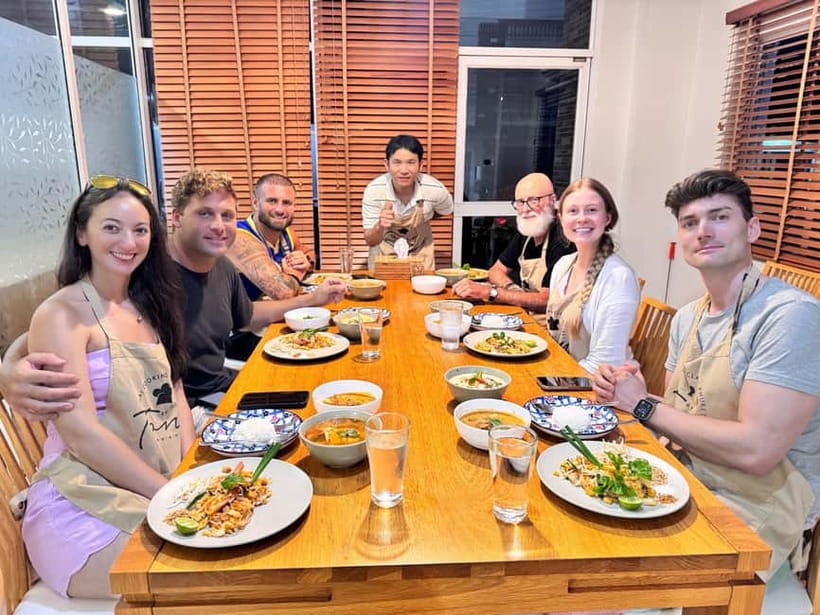
This is not just a cooking lesson held in a kitchen. You begin at Thai Cooking Class Phuket by Tony, then head to a local fresh market with your instructor before the cooking starts.
That first outing matters. Thai food depends on fresh herbs, aromatic seasonings, coconut, chilies, seafood, rice, and produce that can look unfamiliar if you are shopping outside Thailand. Seeing the ingredients in their natural setting gives you a better idea of how Thai cooks select and use them.
You also get to try three small tastes at the market: a Thai fruit, a Thai snack, and a Thai dessert. The details of those samples can vary, but the format gives you more than a quick shopping stop. You can ask about what you are seeing, compare sweet and savory flavors, and begin thinking about how Thai meals balance heat, salt, sourness, sweetness, and fragrance.
The market visit is also the least controlled part of the outing. It is a real local market rather than a polished food museum, so you should expect an active shopping environment and unfamiliar ingredients. That is part of its value, but anyone looking for a quiet, formal introduction may find it a little lively.
More Market and Cooking Class Tours in Thailand
- Phuket Thai Cooking Class with Market Tour Option
★ 5.0 · 2,665 reviews - Phuket: Half Day Easy Thai Cooking Class & Local Market Tour
★ 4.9 · 725 reviews - Thai Cooking Class with Market & Garden Tour
★ 4.9 · 249 reviews
Cooking with Tony, Anne, or Ann
The school is identified as Thai Cooking Class Phuket by Tony, and the experience is presented as a class with a Thai chef. The supplied details also identify Anne or Ann as an instructor, including one description of her as a Michelin chef. Names are spelled both ways in the available information, so your instructor may be Tony or Anne/Ann depending on the session.
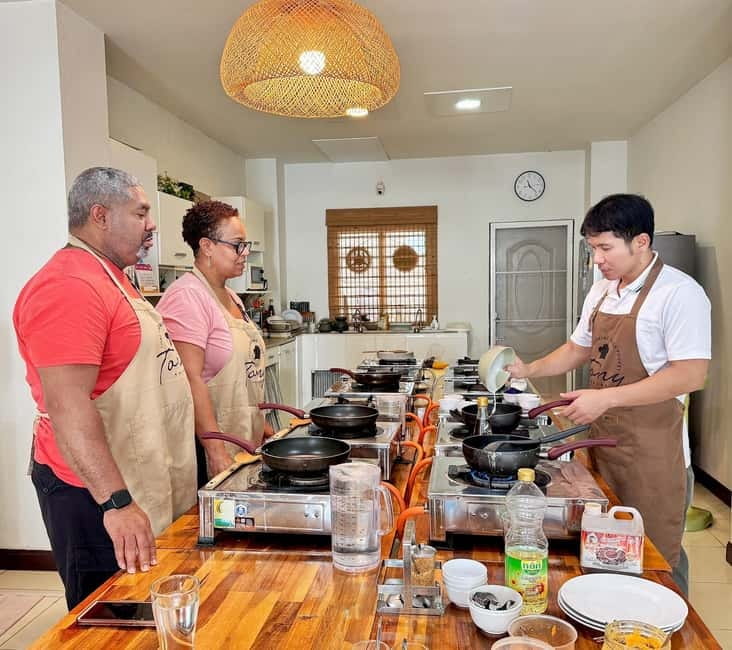
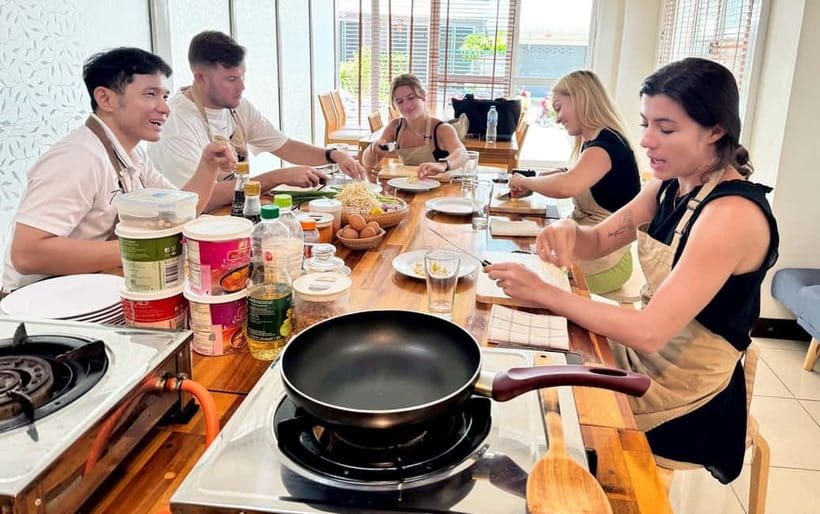
The teaching style is practical. You receive a welcome drink, settle into the open kitchen, and work at your own station. The instructor guides you through each recipe rather than preparing everything in front of you while you watch.
That difference is important. You get to handle the ingredients, follow the order of cooking, and see how Thai dishes come together. You can also take photographs of the ingredients as you work, which is useful if you want a visual reminder when you cook at home.
The class is conducted in English. Instructions are designed to be clear and easy to follow, and the instructor can offer suggestions for substitutions. That makes the lesson more useful after your holiday, since Thai ingredients are not always easy to find in ordinary supermarkets outside Thailand.
The available feedback points to a warm, patient teaching style, with special care given to allergies, intolerances, dislikes, and personal preferences. Still, you should tell the school about dietary needs as early as possible. The supplied information confirms that adjustments can be made, but it does not promise a separate allergy-free kitchen or a fixed alternative menu.
Four dishes, with choices built in
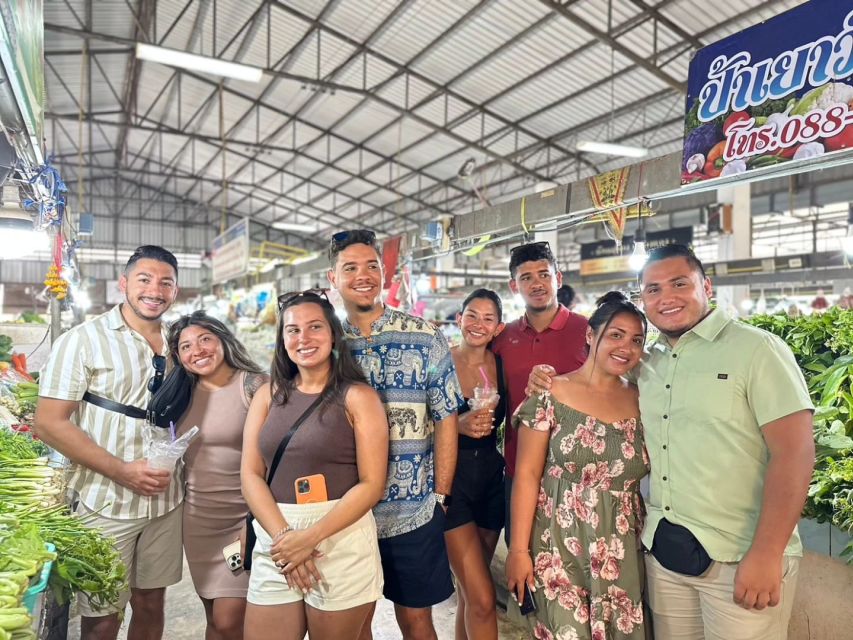
The class prepares four dishes in total. Three come from set categories, while the fourth is your choice of spring rolls or mango sticky rice.
The three main categories are:
- Soup: Tom Yum, the hot and sour shrimp soup, or Tom Kha, a coconut-based soup
- Curry: Green, red, yellow, Panang, or Massaman curry
- Stir fry: Pad Thai, Thai fried rice, pineapple fried rice, or Pad Kra Pow
This structure gives you a good spread of Thai cooking styles. Soup teaches balance and seasoning. Curry introduces coconut, herbs, spices, and the careful building of flavor. Stir fry shows how quickly ingredients can come together over high heat.
The menu changes for each class session, so you should not assume you will cook every dish listed above. The choices are a strength because you can often select food that suits your appetite, but the changing menu means you should confirm the exact class options if one particular recipe is your main reason for booking.
Your fourth dish is either spring rolls or mango sticky rice. Spring rolls add another savory, hands-on task. Mango sticky rice gives you a dessert and a fitting finish to the meal. If you are mainly interested in sauces and savory food, spring rolls may be the better pick. If you want to learn a classic Thai dessert, choose mango sticky rice.
What the market teaches you about Thai food
A good cooking class should help you understand not only what to do, but why the food tastes the way it does. This experience begins that lesson at the market.
Thai cooking often relies on small amounts of strongly flavored ingredients. Fresh herbs and seasonings can change the character of an entire dish, and the instructor explains how they work in the recipes you prepare. The market setting gives those ingredients a concrete context before they reach your chopping board.
You also get a chance to taste Thai food before cooking it yourself. A fruit, snack, and dessert may seem like small samples, but they help you notice the range of flavors used in Thai eating. This is especially useful if you are new to Thai cuisine and want more than a restaurant meal.
The market is not the place to expect a long guided food tour with a large number of tastings. Its role is narrower and more practical: gather ingredients, learn about traditional Thai food, and sample a few local items before returning to the kitchen.
More Market and Cooking Class Tours in Phuket:
- Half day Thai cooking Class + Market tour+Garden tour
★ 5.0 · 237 reviews - Phuket: Half Day Thai Cooking Experience with Market Tour
★ 5.0 · 11 reviews - Phuket – Blue Elephant Thai Cooking Class with Market Tour
★ 5.0 · 11 reviews - Dinner from cooking class & enjoy local night market
★ 5.0 · 2 reviews
The open kitchen and the meal you make
Back at the school, you receive a welcome drink and begin cooking. The open-kitchen setting keeps the process social and visible, while your own station lets you take responsibility for the meal.
You should expect a step-by-step lesson rather than a rushed sequence of demonstrations. The instructor explains what to do, watches the process, and offers tips as you go. This is a good arrangement for first-time cooks because you can ask questions at the moment they arise.
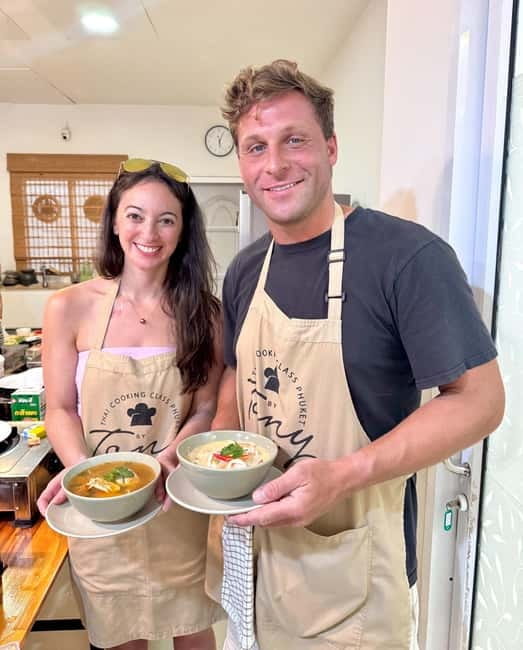
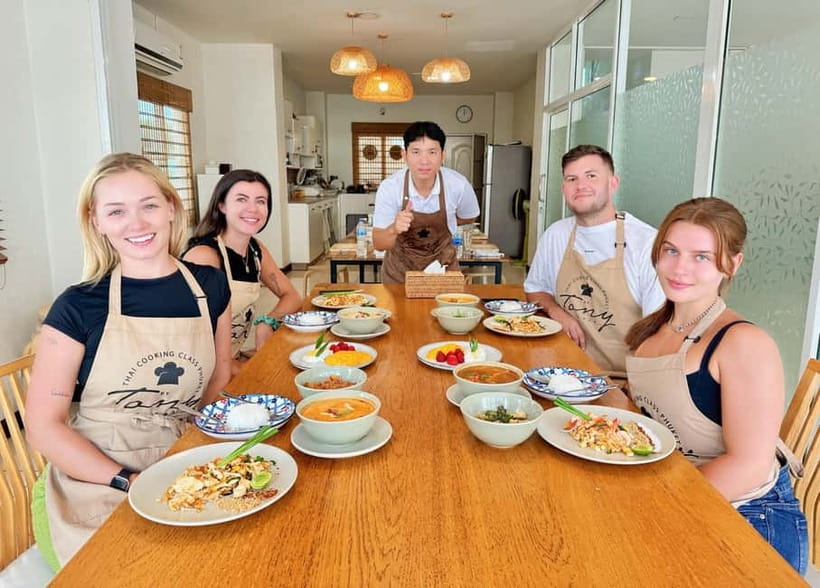
The reward comes at the table, when you taste the food you have prepared. Since the menu includes soup, curry, stir fry, and either spring rolls or mango sticky rice, you get a broad introduction rather than a single recipe repeated in several forms.
Portions and the exact dining setup are not specified, so I would treat the food as the main meal provided by the class, but not assume that it replaces every meal you may need that day. Bring your appetite. If you cannot finish everything, the school may allow you to take the cooked food with you, as one participant was able to do.
That detail is handy, but it should not be treated as a guaranteed takeaway service for every session. Ask the instructor on the day if you have leftovers.
Why the recipe book matters
Many cooking classes are enjoyable for an afternoon and then fade from memory. The recipe book gives this one a better chance of being useful after you return home.
You can use it to recreate the dishes you made, share them with family and friends, and remember which ingredients can be substituted. The substitution advice is particularly valuable because a Thai market and a home kitchen in Europe, North America, or elsewhere will not carry the same products.
Take notes or photographs during the lesson if allowed. The recipe book should provide the core instructions, but your own reminders about preferred spice levels, cooking order, and ingredient swaps can make the recipes easier to repeat.
The class menu changes, so the book may include more than the four dishes made during your session. That gives you a wider set of recipes to try later, though the supplied information does not specify the book’s full contents.
Value at $77 per person
At $77 per person, the price is reasonable if you want a full food activity rather than a short demonstration. The fee covers the instructor, ingredients, three main dishes, spring rolls or mango sticky rice, the three market tastings, water, coffee, and the recipe book.
The market visit adds value because it gives you context before the lesson. You are not simply paying for ingredients and kitchen time. You are also learning how some of those ingredients appear in local food culture and getting a few tastes along the way.
The personal cooking station is another reason the price makes sense. A restaurant meal may cost less, but it will not teach you how to prepare the food or let you adjust it to your preferences.
The value drops if you are mainly looking for transportation or a luxury culinary setting. Hotel pickup and drop-off are not included, and you must make your own way to the meeting point. The school also does not include the 1,200 THB charge for a person aged six or older who attends but does not cook. That fee is paid in cash at the school.
For a hands-on cultural activity with a meal and recipes to take home, $77 is a fair mid-range price. For a quick class with little personal participation, it would be high, but this experience offers more than that.
Who will get the most from this class
I would recommend this class to anyone who wants to understand Thai food through both shopping and cooking. It suits couples, friends, solo visitors, and families with children who are old enough to take part.
The minimum age for attending is six, but children aged six and over who do not want to cook still pay 1,200 THB in cash. A child who wants to take part should be prepared for hands-on kitchen work and close attention to the instructor.
This is also a good choice for people with food preferences. The menu allows some personal selection, and the instructor can be considerate about allergies, intolerances, and ingredients you dislike. You should still communicate those needs before cooking begins.
It is less suitable if you want a fixed menu, a private transfer, or a quiet restaurant-style meal. It is also not ideal for someone who would rather watch a chef than chop, stir, season, and taste.
The class can still run with only two people booked, based on the available information. That suggests you may not need a large group for the activity to operate, though the exact group size for your date is not stated.
Simple logistics that matter
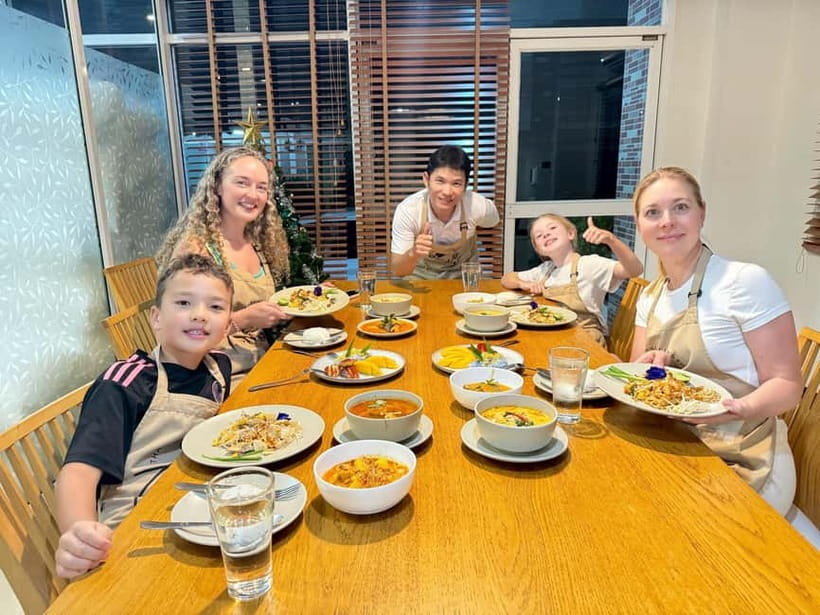
Search Google for Thai Cooking Class Phuket by Tony to find the meeting point. That wording is specifically recommended as the most accurate way to locate the school.
The activity ends back at the meeting point. Since transport is not included, plan your route in advance and leave enough time to arrive without rushing. The exact duration is not provided, so do not schedule a tight flight, excursion, or long-distance transfer immediately afterward.
English is the listed language. Water and coffee are included, and the market provides the fruit, snack, and dessert tastings. Hotel pickup and drop-off, private transportation, and any extras not listed are not included.
You can reserve now and pay later, which helps if your Phuket plans are still shifting. Cancellation is allowed up to 24 hours before the activity for a full refund.
Should you book it?
Book this class if you want to cook your own Thai meal, taste a few local foods, and leave with recipes you can use at home. The market visit, flexible dish choices, and patient step-by-step format make it more useful than a simple kitchen demonstration.
Think twice if transport is important to you, if you need a guaranteed dish that may not be on the changing menu, or if you plan to attend without cooking. For most food-focused visitors, though, $77 buys a substantial half-day-style experience: market context, four dishes, personal instruction, and a meal you helped create.
FAQ
Where does the Thai cooking class meet?
Meet at Thai Cooking Class Phuket by Tony. Search Google for Thai Cooking Class Phuket by Tony, which is identified as the most accurate way to find the meeting point.
Is hotel pickup and drop-off included?
No. Hotel pickup and drop-off are not included, and the activity ends back at the meeting point.
What food will I cook?
You will cook four dishes in total: one soup, one curry, one stir fry, and either spring rolls or mango sticky rice. The menu changes by session.
Which soup, curry, and stir fry can I choose?
Soup options include Tom Yum and Tom Kha. Curry options include green, red, yellow, Panang, and Massaman. Stir fry options include Pad Thai, Thai fried rice, pineapple fried rice, and Pad Kra Pow.
Is the class taught in English?
Yes. English is the listed language for the activity.
What happens if someone aged six or older attends but does not want to cook?
They must pay 1,200 THB in cash at the school. The additional charge applies to people aged six and over who attend without cooking.
Just added around Phuket
- Phuket: Half Day Thai Cooking Experience with Market Tour★ 5.0 · 11 reviews
- Phuket: Old Town + ATV 30Min Zipline 15Pform + Night Market★ 5.0 · 2 reviews
- Phuket – Blue Elephant Thai Cooking Class with Market Tour★ 5.0 · 11 reviews
- Phuket: Amazing Sunset View & Local Market Tour★ 4.4 · 8 reviews
- Dinner from cooking class & enjoy local night market★ 5.0 · 2 reviews
- Phuket City Tour with Night Market Visit & Elephant Feeding★ 4.4 · 50 reviews
- Phuket: Fully Customized Night Market Tour★ 4.2 · 18 reviews
- Phuket City Tour & Scenic Viewpoints / Night Market★ 4.0 · 43 reviews
Market and Cooking Class Tours, compared.

Hanoi Cooking Class: Culture, Local Market & Meaning CSR Impact
Read our review →
5 Traditional Dishes Hanoi Cooking Class with Market Trip
Read our review →
Cooking Class and Lunch at a Tuscan Farmhouse with Local Market Tour from Florence
Read our review →
Cooking Class, Market & Thai Herbs Garden Tour
Read our review →
Authentic Cooking Class with Market & Farm Visit
Read our review →
Paella Cooking Experience & Boqueria Market Tour
Read our review →
Cooking Class Hoi An:Local Market, Basket Boat, Fishing & Cooking
Read our review →
Hoi An Cooking Class(Market,BasketBoat Crabfishing&Cooking Class)
Read our review →Browse the lists this tour appears in