
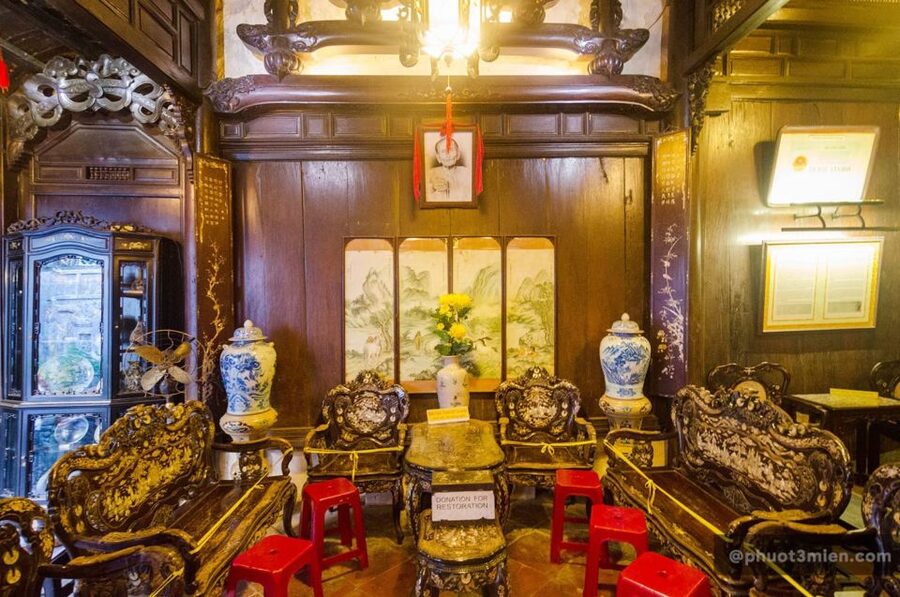
Review · PRIVATE MARKET TOURS
Da Nang/Hoi An: Market & Old Town Private Tour with Transfer
Hoi An’s old center makes the most sense on foot, one small stop at a time. This private tour begins at the Central Market, then threads through assembly halls, old homes, museums, craft shops, and the Japanese Covered Bridge. Your guide lives in Hoi An, which gives the walk a personal local angle rather than a simple list of dates and names.
I like the private format, since you can ask questions and set the pace. I also like the mix of daily life and famous sights: you see where people shop, then step into buildings more than 200 years old. The main consideration is time. Three hours goes quickly, especially if you want to browse the market or linger in the art galleries.
Key points at a glance
- Central Market first: Begin with local trading, food, and everyday Hoi An life.
- Four important heritage stops: See the Fujian Assembly Hall, Japanese Covered Bridge, Tan Ky ancient house, and Folk Museum.
- Private car included: Hotel pickup and drop-off are available in central Da Nang and Hoi An.
- Crafts and performance: Add a silk weaving workshop, art galleries, and traditional music and dance.
- Short but full itinerary: The planned morning runs from 8:00 to 11:00, so expect a brisk introduction.
- Good value at $40 per person: The price includes transport, guide, old-town entry, listed admissions, and water.
Why Start at Hoi An Central Market
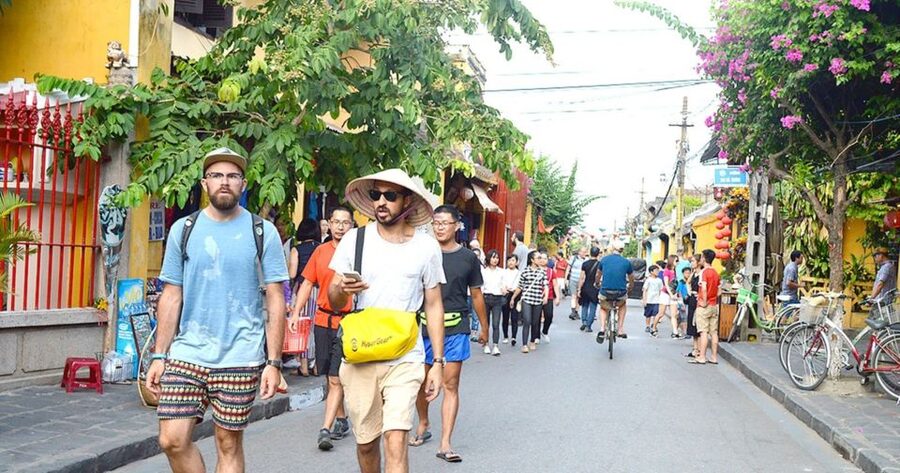
The tour opens where Hoi An feels most immediate: its Central Market. At 8:00, you meet your guide and begin with the place where local buying and selling still shape the day.
This is not just a photo stop. Your guide explains how people use the traditional market and helps you read the scene as part of Hoi An life. You can expect color, movement, food, and small details that are easy to miss when walking alone. The market gives you a useful first look at the city before the tour shifts toward formal historic buildings.
I like this order. Hoi An is not only a preserved old town for visitors. It is also a working place for local people. Starting in the market keeps the tour grounded in the present before you move into its older chapters.
Allow yourself to stay alert here. With only three hours, the schedule is not designed for a long shopping session. You will get more from the stop if you focus on the guide’s explanation and the way the market functions rather than trying to inspect every stall.
More Private Market Tours in Vietnam
- Cai Rang Floating Market & Mekong Delta Private 1-Day Tour
★ 5.0 · 197 reviews - 1 Day Private Cai Rang Floating Market and My Tho Boat Tour
★ 5.0 · 101 reviews - Full-Day in Mekong Delta Floating Market and Local Private Tour
★ 5.0 · 91 reviews
Fujian Assembly Hall and Hoi An’s Chinese Heritage
Around 8:30, the route moves to the Fujian Assembly Hall, also called the Phuc Kien Assembly Hall. This is one of the tour’s cultural highlights because it introduces the living and worship practices of the Chinese community in Hoi An.
The building is presented not only as architecture, but as a place connected with community life and belief. Your guide explains how people used the hall and what its design tells you about local worship. That context matters. Without it, an assembly hall can seem like another ornate stop on an old-town walk. With it, you begin to understand how different communities helped shape Hoi An.
This stop suits visitors who want more than quick photographs. It also gives the tour a useful balance: the market shows ordinary commerce, while the assembly hall shows the spiritual and social side of the town.
Crossing the Japanese Covered Bridge
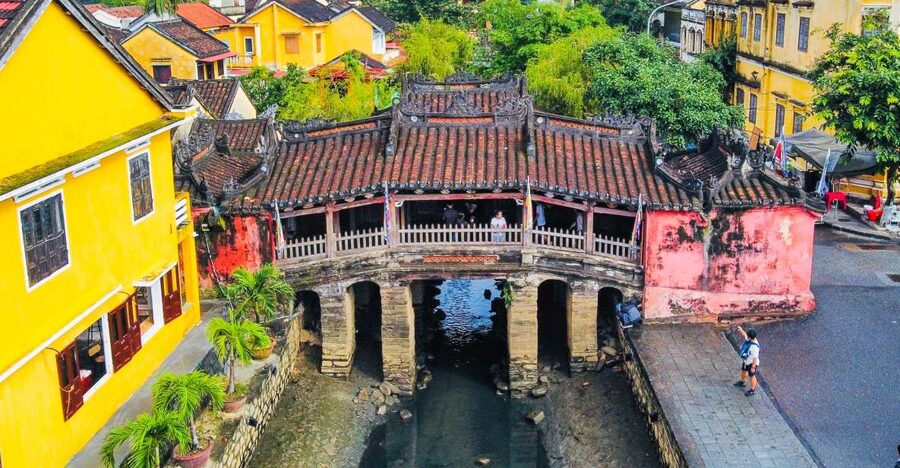
The Japanese Covered Bridge is the city’s best-known symbol, and the tour gives it a central place. It is famous for its unusual cultural features, so your guide can explain what lies behind its familiar appearance.
The bridge is compact, which means the value comes from the story rather than the amount of time spent walking across it. You will likely see it as part of a larger old-town route, not as an isolated monument. That is the right way to approach it. Hoi An’s appeal comes from the relationship between its streets, homes, places of worship, and river-town history.
This is also one point where the private setup helps. If you want to ask why the bridge is important, or how it fits into Hoi An’s past, you can do so without holding up a larger group. The guide can keep the explanation at the level you prefer.
Do not expect a long, quiet visit here. The bridge is a famous city landmark, and the itinerary has several more stops. You will see the symbol of Hoi An, learn its main cultural significance, and continue on foot.
Tan Ky House and Four Centuries of Old Homes
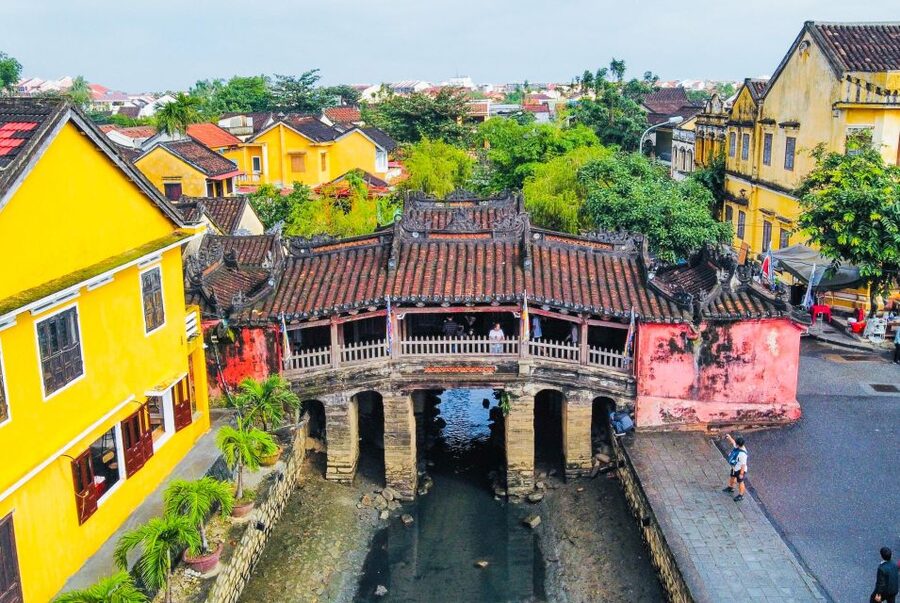
Tan Ky ancient house is one of the strongest stops for understanding Hoi An’s old residential architecture. Built in the late 18th century, it is among the oldest houses in the town.
The attraction is not just age. The house helps you picture how people lived and worked in the old center. Its inclusion also connects with the tour’s larger theme: Hoi An’s preserved homes are not merely decorative shells. They show a town shaped by trade, family life, and changing cultural influences.
I would pay close attention to the guide here. A home can be harder to understand than a bridge or a market because its meaning is spread across rooms, objects, and design details. A local guide can point out what matters and help you see how the old house differs from modern daily life in Hoi An.
The drawback is that a short tour cannot give every building equal attention. Tan Ky House is one of several major stops, so you should see it as a focused introduction rather than a detailed architectural study.
More Private Market Tours in Hoi An:
- Cairo 8 Hour Private Tour of Pyramids, Egyptian Museum and Bazaar
★ 5.0 · 2,931 reviews - Private Excursion to Maeklong Railway and Floating Markets
★ 5.0 · 850 reviews - Floating and Railway Market (Optional Waterfall): Private Tour
★ 5.0 · 827 reviews - Cairo: Private Pyramids, Museum & Bazaar Tour with Lunch
★ 4.6 · 744 reviews
The Folk Museum and Hoi An’s Changing Daily Life
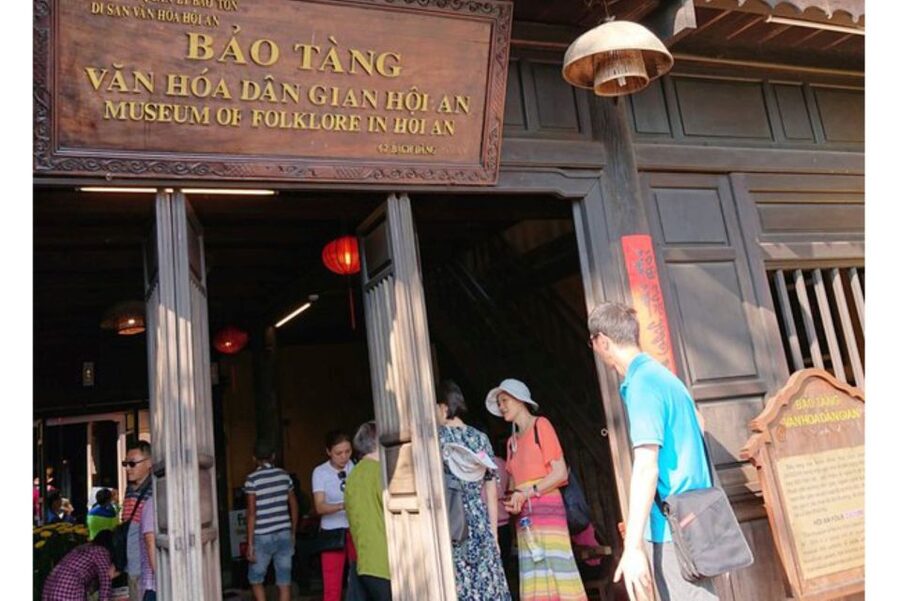
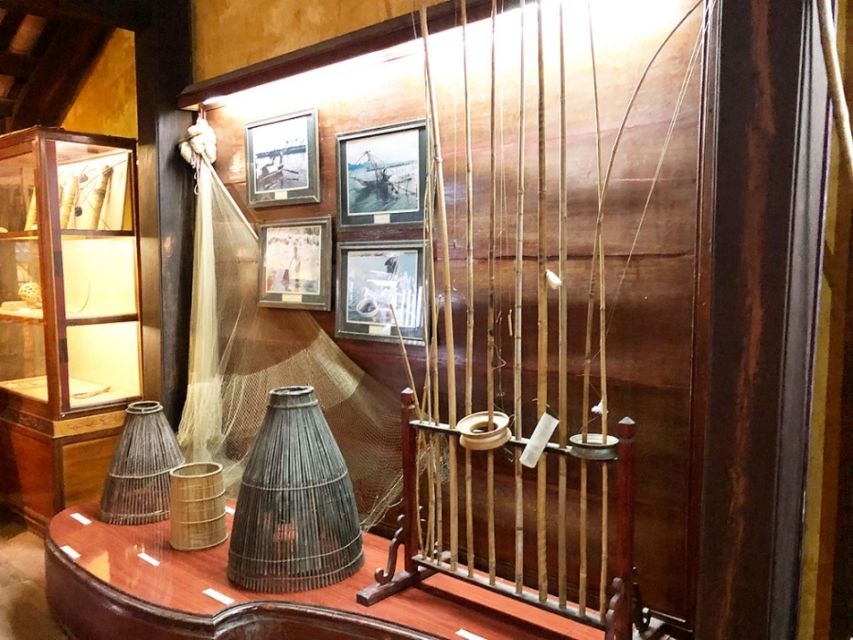
The Hoi An Folk Museum adds a wider view. Instead of focusing on one house or one community, it helps you consider local life across the old and modern city.
The tour presents the museum as a place to learn about living culture and the differences between older and newer Hoi An. That makes it a helpful bridge between the historical buildings and the city you see outside. You are not only looking backward. You are also considering how people in Hoi An live today.
For me, this is an important part of the route because it keeps the experience from becoming a string of famous facades. The market, museum, and old houses work together. One shows current life, one explains broader traditions, and one gives you a close look at historic domestic space.
The museum stop is best for visitors who want context. If you mainly want free time for photographs and shopping, you may find the schedule a little packed. If you want a clear introduction to Hoi An’s culture, it earns its place.
Art Galleries and the Local Creative Scene
As you walk between the main sights, the itinerary includes stops at some well-known art galleries. These visits offer another way to see Hoi An’s character through pictures and local creative work.
The gallery visits are not described as a formal art course, so keep your expectations practical. They are short additions that help you notice how artists present the city, its people, and its old streets. They also break up the heritage stops with something more contemporary.
I like this kind of stop when it remains optional and low pressure. The private format should make it easier to ask questions or move along if a gallery is not your interest. You are not committing to a long museum visit. You are getting another angle on the city.
Silk Weaving and Traditional Craft
The tour also visits a silk weaving workshop, where you learn about Hoi An’s long-running weaving and embroidery traditions. This is one of the more hands-on cultural elements, even though the supplied schedule does not promise that you will make anything yourself.
Craft workshops are useful because they show skill and work, not just finished souvenirs. You can see how a local tradition connects to the city’s identity and economy. The stop may also help you judge silk products more carefully if you plan to shop later.
Keep the commercial side in mind. A workshop may include products for sale, and the tour does not say that purchases are required or included. Treat it as a chance to learn about weaving first. Buy only if you find something you genuinely want.
Traditional Music and Dance at 10:15 or 15:15
A traditional music and dance performance at a Hoi An house is included as another window into local culture. The listed performance times are 10:15 or 15:15 daily.
This timing deserves attention when you book. The sample morning schedule begins at 8:00 and ends around 11:00, so a 10:15 performance can fit into the morning route. The 15:15 option appears suited to an afternoon start. Confirm the exact start time and performance arrangement when checking availability, since the schedule is presented with more than one possible time.
The performance gives you a chance to experience culture in a setting connected with traditional Hoi An homes. It is a pleasant change of pace after walking through the market and heritage buildings. Still, it is one part of a short itinerary, not a full evening cultural show.
Private Transfers From Da Nang or Hoi An
Transport is one of the strongest practical features. Pickup and drop-off are included at your hotel in central Da Nang or Hoi An, and the tour uses a private car.
That matters most if you are staying in Da Nang. You avoid arranging a separate ride to Hoi An, then finding your way to the old center. The car also gives you a simple end to the morning, with the planned return to your hotel around 11:00.
If you are staying in Hoi An, the transfer is less important, but it still removes small transport decisions from your day. You can begin at the old town and finish at your hotel, or choose to remain in the center after the tour and return on your own.
The schedule also allows an optional choice at the end. You can return to your hotel with the group, or continue walking around Hoi An and make your own way back. That is useful because the old town deserves more time than a three-hour introduction if your schedule allows.
One holiday note matters. From February 8 to 15, transportation services add 300,000 Vietnamese dong for Tet holiday overtime. Check this extra charge before booking if your visit falls in that period.
Is $40 Per Person Good Value?
At $40 per person, this tour offers solid value if you want several admissions and private transport in one package. The cost includes an English-speaking guide, hotel pickup and drop-off, a private car, the Hoi An old-town entrance ticket, admission to the listed activities, and a bottle of water.
The private car is especially useful for a Da Nang pickup. A lower-cost walking tour might cover the old town, but it would not necessarily include the same door-to-door arrangement. You are paying for convenience as well as guiding.
The price is less compelling if you are already staying beside the old town and prefer to explore slowly on your own. In that case, the three-hour schedule may feel rushed, and you could choose individual sights at your own pace. You would also lose the benefit of a local guide explaining how the stops fit together.
I see this as a good first visit for someone with limited time. It covers the main symbols, several historic interiors, local culture, and transport in a single morning or afternoon.
Who Will Enjoy This Hoi An Walk Most
I would recommend the tour to you if you want a clear introduction without spending a full day on sightseeing. It suits first-time visitors, couples, families, and anyone staying in Da Nang who wants a simple trip into Hoi An.
You will get the most from it if you enjoy a mix of:
- Local markets and everyday city life
- Historic homes and religious buildings
- Short museum visits
- Traditional craft
- Art and cultural performance
- A private guide who can answer questions
The tour is less suitable if you want a relaxed photography walk, extensive shopping time, or a close study of every building. The route has many components, and the three-hour duration requires steady movement.
Comfortable shoes are essential. You will walk through the old center, and the itinerary does not leave much room for slowing down at every stop. Carrying water is easy since one bottle is included, though you may want more in hot weather.
What to Confirm Before You Book
Check the available starting time first. The detailed plan shows an 8:00 start, an 11:00 finish, and a performance option at 10:15 or 15:15, but the exact schedule can vary with availability.
Confirm that your hotel is in the central Da Nang pickup area if you are staying there. Pickup is included from central Da Nang and Hoi An hotels, while the information does not promise service from every outlying location.
The tour is offered as a private group with an English-speaking guide. Tips and personal expenses are not included, so keep those separate from the advertised price.
You can cancel up to 24 hours in advance for a full refund, and the reserve-now, pay-later option lets you hold a place without paying today. Those terms help if your Vietnam plans are still shifting.
Should You Book This Tour?
Book it if you want Hoi An explained, not simply photographed. The combination of the Central Market, Fujian Assembly Hall, Japanese Covered Bridge, Tan Ky House, Folk Museum, silk workshop, galleries, and traditional performance gives you a well-rounded first look.
The strongest reason to choose it is the private guide who lives in Hoi An. That local connection can turn a short walk into a clearer picture of how the city’s old buildings, markets, crafts, and daily life relate to one another.
Skip it if you already know Hoi An well, have plenty of time, or prefer to wander without a schedule. For most first-time visitors coming from Da Nang, though, $40 buys a useful package: transport, admissions, local explanation, and a concentrated look at the city’s past and present.
FAQ
How long is the Hoi An private tour?
The tour lasts three hours. The sample schedule begins at 8:00 and returns to the hotel around 11:00. Starting times depend on availability.
Is hotel pickup included?
Yes. Pickup and drop-off are included from hotels in central Da Nang or Hoi An. The experience uses a private car.
Is the tour private?
Yes. It is offered as a private group experience with an English-speaking guide.
What sights are included?
The route includes Hoi An Central Market, Fujian Assembly Hall, the Japanese Covered Bridge, Tan Ky ancient house, Hoi An Folk Museum, art galleries, a silk weaving workshop, and a traditional music and dance performance.
What does the $40 price include?
The price includes the English-speaking guide, private car transfer, hotel pickup and drop-off, the Hoi An old-town entrance ticket, listed activity admissions, and one bottle of water.
What should I bring?
Bring comfortable shoes. Tips and personal expenses are not included. From February 8 to 15, transportation services charge an additional 300,000 Vietnamese dong for Tet holiday overtime.
Just added around Hoi An
- Rural Cycle, Market Tour, Basket Boat & Organic Farm Cooking★ 5.0 · 64 reviews
- Market Tour – Cooking Class – Coconut Boat Riding★ 4.4 · 43 reviews
- Hoi An : Vegan Cooking Class – Market & Coconut Basket Boat★ 5.0 · 4 reviews
- Hoi An: Cooking Class, Crab Fishing-Basket Boat, Market Tour★ 4.8 · 108 reviews
- Hoi An:Vegetarian Cooking Class & Explore Market wChef Thanh★ 4.6 · 3 reviews
- Hoi An Street Food, night market and lantern boat ride★ 4.9 · 12 reviews
- Hoi An Cooking Class With Market and Bamboo Basket Boat Tour★ 5.0 · 52 reviews
- Hoi An: Eco Cooking Class with Market Trip and Basket Boat★ 5.0 · 8 reviews
Private Market Tours, compared.

Private Excursion to Maeklong Railway and Floating Markets
Read our review →
Floating and Railway Market (Optional Waterfall): Private Tour
Read our review →
Private Pyramids, Museum & Bazaar Tour with Lunch
Read our review →
Shopping in the Souks of Marrakech Private Tour
Read our review →
Local Markets & Khan el Khalili Private Shopping Tour
Read our review →
Private Excursion to Floating Market and Ayutthaya World Heritage
Read our review →
Private Heritage Walking Tour in Jaisalmer Fort and Old Bazaar
Read our review →Browse the lists this tour appears in