
Review · VIETNAM MARKET TOURS
From Sapa: Bac Ha Sunday Market and Ethnic Villages Tour
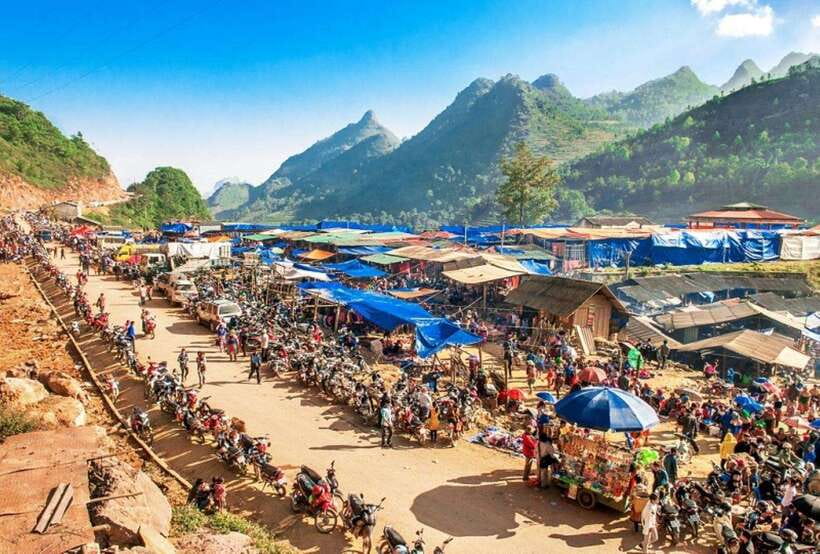
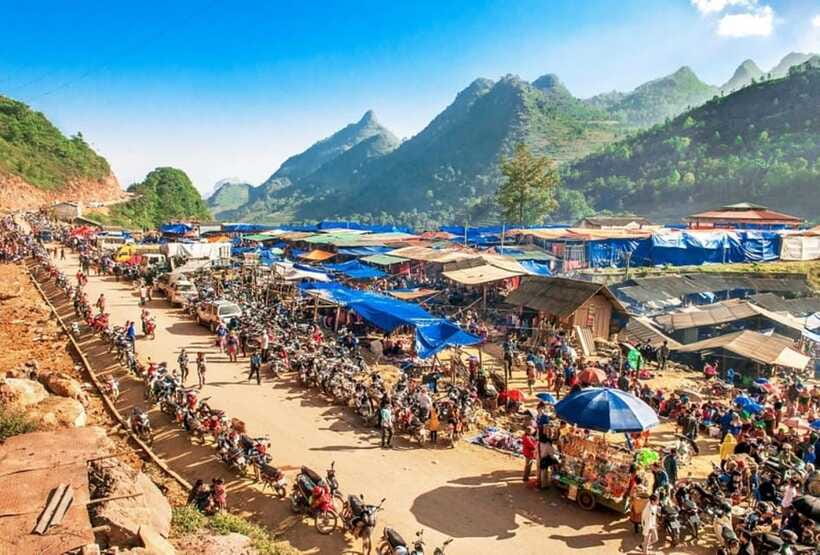
Bac Ha Sunday Market is the main event here, a large highland gathering where Flower Hmong, Tay, Dao, and other ethnic groups come to shop, sell animals, and catch up. It is a long day on the road, but the market gives you a much closer look at northern Vietnam than a simple Sapa viewpoint stop.
I like the animal market, where buffalo, cows, and horses are traded, and the short village walk, which puts daily mountain life ahead of staged entertainment. I also like that lunch, transport, an English-speaking guide, and entry to Hoang A Tuong Palace are included in the $39 price.
The main drawback is the schedule. You may be picked up in Sapa, but the description also refers to Lao Cai train station and breakfast at a local restaurant. One published experience report specifically noted that the expected breakfast stop did not happen, so confirm the pickup point and morning meal before you set out.
Key points to know before you book
- Sunday is the important day: Bac Ha Market is the reason to choose this trip, so check that your date matches the Sunday market schedule.
- The animal market is part of the visit: You can see local people trading buffalo, cows, and horses, not just souvenirs and food.
- The scenery is part of the journey: Expect rice terraces, plum and peach farms, and mountain views along the road from Sapa.
- The village walk is short: You visit Tay and Hmong communities and see aspects of everyday life without committing to a long trek.
- Hoang A Tuong Palace is included: The entrance fee is covered, giving the day an architectural stop beyond the market.
- The day ends in stages: The return includes a break at the Vietnam-China border gate, a temple visit, and photo stops before Sapa.
Why Bac Ha Market is worth the long day from Sapa
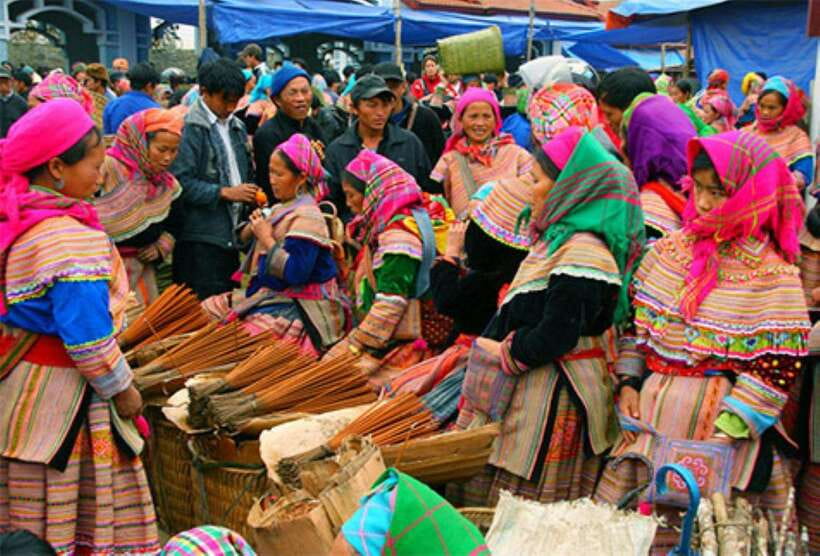
Sapa is famous for mountain views and rice terraces, but Bac Ha gives you a different kind of northern Vietnam experience. The market is a meeting place for several ethnic communities, with Flower Hmong people especially associated with its colorful clothing and distinctive market culture.
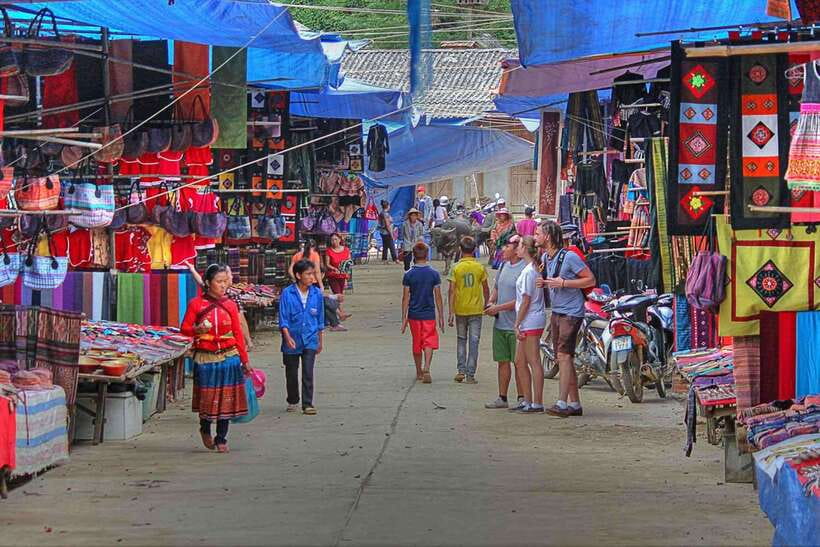
This is not simply a place to buy a scarf. It is where people from the surrounding hills come to trade food, farm goods, animals, and household items. You will have free time to look around, shop, take photographs, and watch the steady movement of local commerce.
The market is also a useful lesson in geography. Mountain communities are spread across difficult terrain, so a regular market day has social value as well as economic value. People come to sell, buy, exchange news, and spend time together.
I would choose this trip if you want to see how the region works beyond the main tourist streets of Sapa. You should also know that a market is an active public place, not a quiet museum. It can feel crowded and visually busy, and you will need to stay alert with your belongings and respectful with your camera.
A few more market tours around Vietnam worth a look
- Hanoi Cooking Class: Culture, Local Market & Meaning CSR Impact
★ 5.0 · 5,147 reviews - 5 Traditional Dishes Hanoi Cooking Class with Market Trip
★ 5.0 · 4,890 reviews - Cooking Class Hoi An:Local Market, Basket Boat, Fishing & Cooking
★ 5.0 · 3,660 reviews
The morning pickup and the road into the highlands
The tour begins with pickup in Sapa, although the full description also mentions Lao Cai train station. That difference matters if you are arriving by overnight train or staying in Sapa, so check the exact meeting point before booking.
The morning drive is a major part of the day. The route takes you through northern mountain scenery, with views of rice terraces and farms growing plums and peaches. These views are not a separate attraction with a set walking route. They appear along the way, and the driver makes photo stops on the return journey.
The transport is by car, with an English-speaking guide accompanying you. The guide and driver are among the strongest parts of the experience according to the available feedback, but no guide names are provided. Since this is a full-day trip with several stops, a clear guide can make the difference between simply looking at a market and understanding who is there and why.
Breakfast needs a quick note. The schedule describes a stop at a local restaurant for breakfast, while one published account says the expected breakfast at the train station did not happen. Breakfast is not listed among the included meals, so bring water and a small snack unless the operator confirms otherwise.
Flower Hmong culture at Bac Ha Sunday Market
Bac Ha is presented as the biggest ethnic market in northern Vietnam, and its appeal comes from the mix of people and goods rather than one single monument. The Flower Hmong market is the cultural focus. You can learn about their traditional market practices while also seeing members of other communities, including Dao, Ha Nhi, and Tay people.
The word colorful is especially fitting here because traditional clothing is an important part of the scene. Still, try not to reduce the market to a photo opportunity. The people you see are shopping and working, not performing for visitors.
A good approach is to spend your first few minutes walking slowly and getting your bearings. Notice the different sections, look at what is being sold, and listen to the guide’s explanation before taking out your camera. If you want a portrait, ask first through your guide or with a friendly gesture.
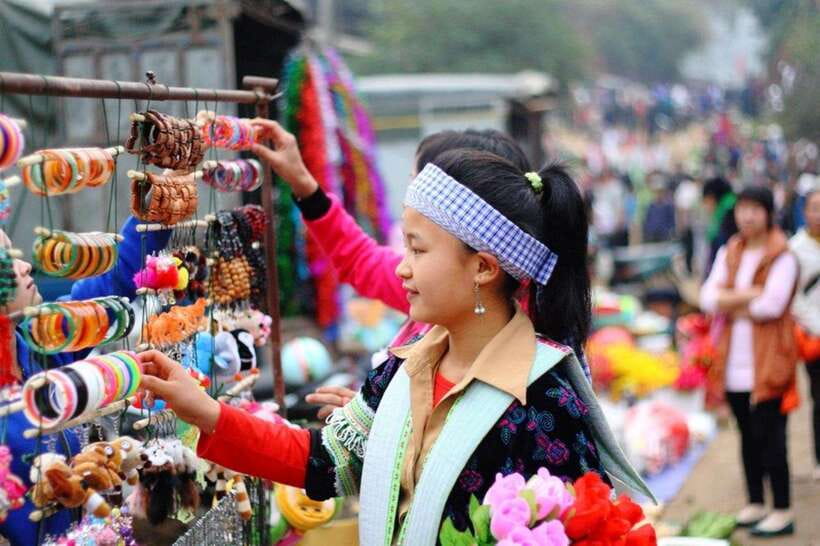
The trip includes time for shopping, but the value is not in rushing through stalls to collect souvenirs. You may find local specialties and handmade items, but the exact products and prices are not specified. Bring Vietnamese cash if you plan to buy something, since personal purchases are not included in the tour price.
The animal market, where trade is the main attraction
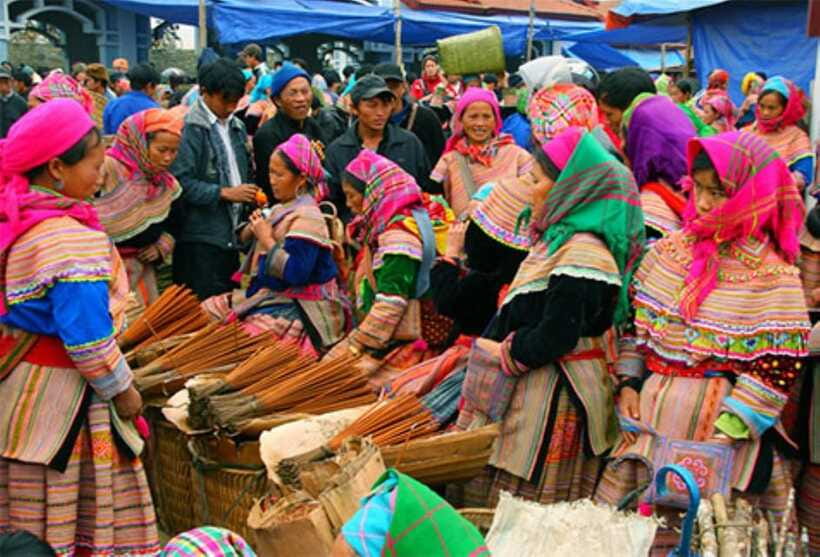
The animal market gives the day a more practical edge. Here, local people trade buffalo, cows, and horses. For many visitors, this is the most memorable part because it shows the role animals still play in farming and transport in the northern highlands.
You should expect an open working market, not a petting zoo. The animals are being bought and sold, and the activity may feel more serious and less polished than the food and clothing areas. Watch where you step, stay close to your guide, and give sellers and animals room.
This stop also helps explain why the Sunday market matters to mountain communities. A large market can bring together goods and services that are not available every day in smaller villages. The animal section connects the market directly to rural work and household income.
If you are uncomfortable around livestock or do not want to see animals traded, this part may be difficult. If you are interested in agriculture and local life, it adds useful context that you will not get from a standard sightseeing loop.
Same place, a different set of stalls:
- Hoi An Cooking Class(Market,BasketBoat Crabfishing&Cooking Class)
★ 5.0 · 3,386 reviews - From Hoi An: Market Tour, Basket Boat Ride and Cooking Class
★ 4.8 · 2,208 reviews - Can Tho: Floating Market & Mekong’s Legacy( About 6 Pax)
★ 5.0 · 1,438 reviews - Hoi An Cooking Class(Local market,Basket Boat,Fishing & Cooking)
★ 5.0 · 1,323 reviews
Lunch and the short walk through Tay and Hmong villages
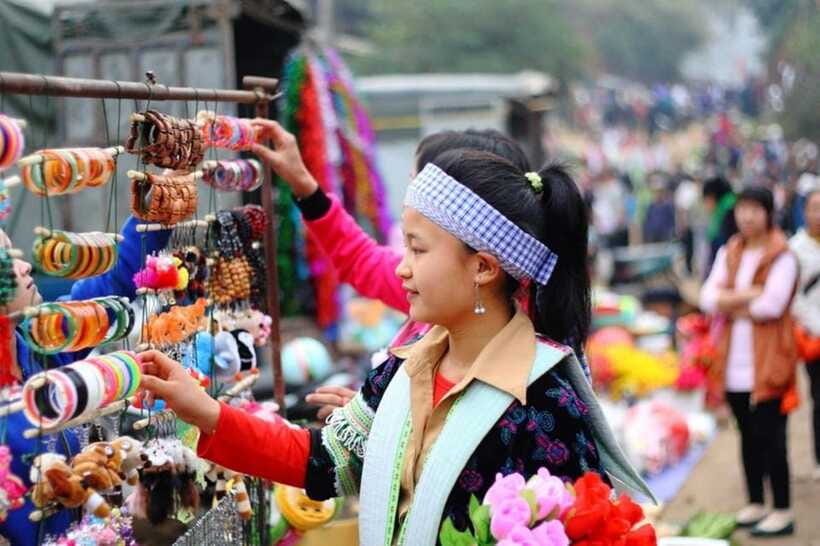
After the market and animal market, lunch is served at a local restaurant. Lunch is included, while drinks and other meals are not. The food itself is not described in detail, so do not book this tour expecting a named specialty or a cooking demonstration.
The afternoon village visit is gentler than the market. You take a short walk through an area associated with Tay and Hmong communities and get a look at daily life in the mountains. The walk is not described as a serious hike, which makes it a good fit if you want cultural contact without a demanding trek.
You may see homes, farms, paths, and ordinary routines, but the exact village and route are not specified. That uncertainty is worth keeping in mind. This is an introduction, not an in-depth homestay or multi-day community visit.
A welcome drink is included during the village stop. It gives you time to pause and speak with the guide about what you are seeing. Use this part of the day to ask practical questions about farming, houses, family life, and the different communities in the area.
The short walk should suit people who want a little movement after several hours in a car and market. Comfortable shoes are still important because the ground and paths may not be smooth, even though the walk is brief.
Hoang A Tuong Palace adds an architectural stop
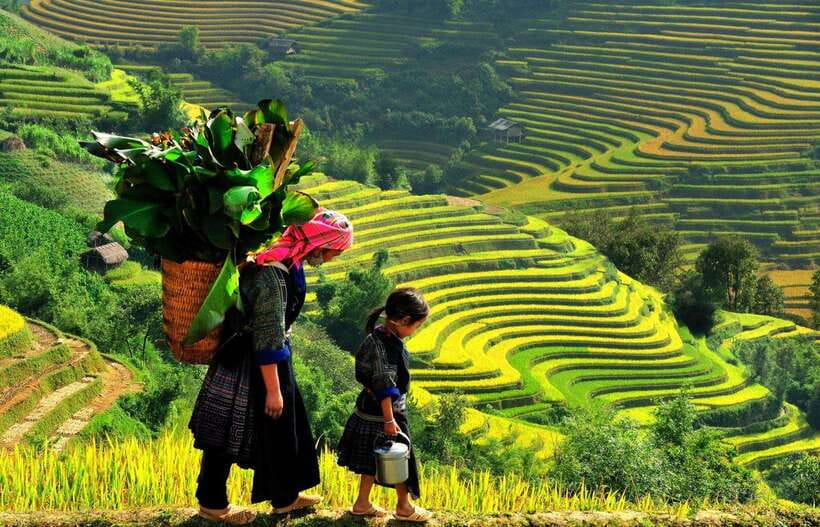
Entrance to Hoang A Tuong Palace is included. The palace gives the tour a change of pace after the market and village visit, with an architectural and historical point of interest added to the day.
The available details do not provide a full history of the building or a timed tour inside, so I would treat it as a worthwhile stop rather than the main reason to book. The market and ethnic villages are the core of the experience.
Including the entrance fee helps the value of the $39 price. You do not have to decide on the spot whether to pay for one more attraction, and the palace gives you another setting for photographs and sightseeing.
Because the schedule is packed, your time at each location may be limited. If you care deeply about the palace, ask the guide how long the stop will be. The tour is designed to connect several places in one day, not to spend half a day at one building.
The return route includes the border gate and temple
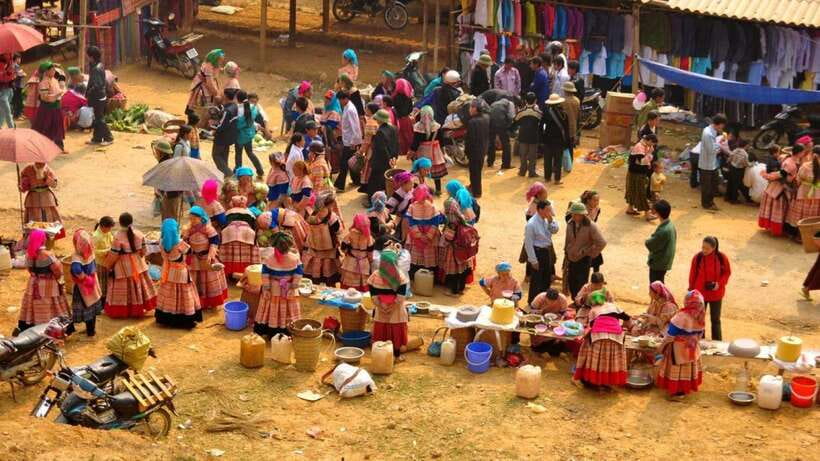
The trip back to Sapa is not just a straight drive. The car stops briefly at the Vietnam-China border gate, where you can take in the setting and visit an impressive temple.
This stop is best understood as an extra landmark along the return route. It is not described as a border crossing, and you should not expect to enter China. The brief visit breaks up the drive and gives the day one more distinct place to see.
There are also photo stops on the way back to Sapa. Since the exact viewpoints are not listed, the timing may depend on the road, traffic, and conditions. Keep your camera ready, but do not expect a fixed collection of famous viewpoints.
The return drive can feel long after a full morning at the market and a village walk. That is the trade-off for reaching Bac Ha in a single day. A water bottle, sun protection, and comfortable clothing will make the ride easier.
What the $39 price really covers
At $39 per person, this is a strong value if you want several northern Vietnam sights without arranging separate transport. The price includes the car, English-speaking guide, lunch, and the Hoang A Tuong Palace entrance fee.
Those inclusions matter because Bac Ha is not a simple hop from central Sapa. You are paying for a full-day route that links the market, animal market, villages, palace, border gate area, temple, and return photo stops.
You will still need money for personal purchases and drinks. Personal insurance is also not included. The activity information says other meals are excluded, though lunch is covered, so clarify the breakfast arrangement before departure.
The trip currently has a 3 out of 5 score based on three published ratings. That is a modest score, but the written feedback specifically praises the guide and driver. The main concern raised was the missing breakfast stop, not the market or the staff. I would book with realistic expectations and confirm the morning details rather than dismissing the entire experience.
Who should choose this Bac Ha day trip?
I would recommend it to you if you are staying in Sapa and want a broad introduction to northern mountain culture in one day. It suits people who enjoy markets, rural scenery, short walks, and seeing ordinary trade rather than spending the whole day at formal attractions.
It is also a good choice for visitors who prefer an organized route. You do not need to arrange separate transport to Bac Ha, find the animal market, locate a village, or work out the return stops yourself.
The tour is less suitable if you want a slow, quiet day or a long trek through the hills. The schedule covers a lot of ground, and the road time is unavoidable. It is also not suitable for pregnant women, people with back problems, or wheelchair users according to the activity information.
Bring comfortable shoes, a hat, sunscreen, water, and a camera. Pets, smoking, and alcoholic drinks are not allowed in the vehicle. The tour is offered in English, with a live guide.
Should you book the Bac Ha Sunday Market tour?
Book this trip if Sunday falls within your Sapa stay and you want the market to be the center of your day. The animal trading, Flower Hmong culture, Tay and Hmong village visit, and mountain scenery give you a wider view of the region than a standard Sapa outing.
Skip it if you dislike long drives, busy markets, or rural livestock trading. Also skip it if your schedule cannot absorb a full day or if you need wheelchair access.
For most able-bodied visitors interested in northern Vietnam, the $39 price is fair because it covers transport, lunch, guiding, and a palace entrance fee. Confirm the pickup point, breakfast plan, and exact timing before you go. With that small bit of preparation, this is a useful and rewarding way to see Bac Ha beyond the souvenir stalls.
FAQ
Is this tour held on Sunday?
Yes. The experience is built around Bac Ha Sunday Market, so you should check availability and confirm that your selected date is a Sunday.
Where does the tour begin?
The listed pickup location is Sapa. The schedule also refers to pickup from Lao Cai train station, so confirm the exact meeting point with the provider before departure.
Is breakfast included?
The schedule describes a breakfast stop at a local restaurant, but breakfast is not listed among the included meals. One published account also says the expected breakfast stop did not take place. Confirm this detail before booking and consider carrying a snack.
What is included in the price?
The price includes an English-speaking guide, transport by car, lunch, and the entrance fee for Hoang A Tuong Palace.
Is the tour suitable for people with mobility problems?
The activity is not suitable for wheelchair users or people with back problems. It is also not suitable for pregnant women.
What should I bring?
Bring comfortable shoes, a hat, camera, sunscreen, and water. Personal expenses, drinks, insurance, and meals other than the included lunch are not covered.
Just added around Vietnam
- Tra Su Cajuput Forest An Cairang Floating Market★ 5.0 · 4 reviews
- Private ecotour in Can Tho: floating market-nature reserved★ 5.0 · 23 reviews
- Can Tho: Floating Market, Canals, Nature Reserve & Forest★ 5.0 · 42 reviews
- Hau River Floating Market and Con Son Islet Adventure★ 5.0 · 3 reviews
- Cai Rang Floating Market Tour -Amazing Can Tho★ 5.0 · 106 reviews
- Floating Market & Hidden Canals – Small Group Morning Boat Tour★ 5.0 · 34 reviews
- Explore Floating Market with Local People★ 5.0 · 7 reviews
- Can Tho Floating Market and Fruit Garden Tour★ 5.0 · 40 reviews
Vietnam Market Tours, compared.
Hanoi Cooking Class: Culture, Local Market & Meaning CSR Impact
Read our review →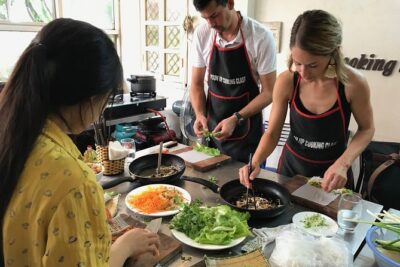
5 Traditional Dishes Hanoi Cooking Class with Market Trip
Read our review →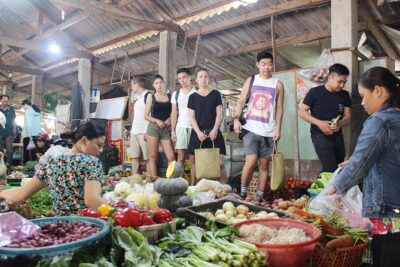
Cooking Class Hoi An:Local Market, Basket Boat, Fishing & Cooking
Read our review →
Hoi An Cooking Class(Market,BasketBoat Crabfishing&Cooking Class)
Read our review →
Market Tour, Basket Boat Ride and Cooking Class
Read our review →
Floating Market & Mekong’s Legacy( About 6 Pax)
Read our review →
Hoi An Cooking Class(Local market,Basket Boat,Fishing & Cooking)
Read our review →
From HCM: Mekong Delta & Cai Rang Floating Market 2-Day Tour
Read our review →Browse the lists this tour appears in