
Review · LOCAL & FARMERS MARKET TOURS
Da Nang: Making 5 Vietnamese dishes with Local Market Trip
Da Nang’s best food lesson starts before you reach the kitchen. You walk through a local market, choose the ingredients for five dishes, then return to cook recipes from three parts of Vietnam. I like that market visit, and I like the hands-on format: you chop, mix, season, and cook rather than watch a chef work. The possible catch is that the dishes are not listed in advance, so you should not book this if you need a fixed menu or have food allergies.
I also like the personal scale. A group of up to 10 leaves room for questions, and instructors such as Lily, Hai, Blue, Daisy, and Jasmin have been singled out for their warmth and clear teaching. The $35 price includes the market trip, five dishes, welcome tea, salted coffee, a cookbook, a certificate, and a small sip of happy water. Transportation and extra drinks cost more.
Key points to know before booking
- Five dishes from three regions: You learn a broad sample of Vietnamese cooking rather than one narrow specialty.
- The market comes first: You hand-pick ingredients and see how everyday food shopping works in Da Nang.
- Salted coffee is part of the lesson: You make Cà Phê Muối, a Da Nang favorite, instead of simply ordering a cup.
- Small groups matter: With a maximum of 10 people, you should get direct help at the stove and prep table.
- The food becomes your lunch: After cooking, you sit down to eat what you made, with no fear of leaving hungry.
- You leave with useful take-home items: The recipe booklet and certificate are included in the $35 fee.
Why the market visit is the real beginning
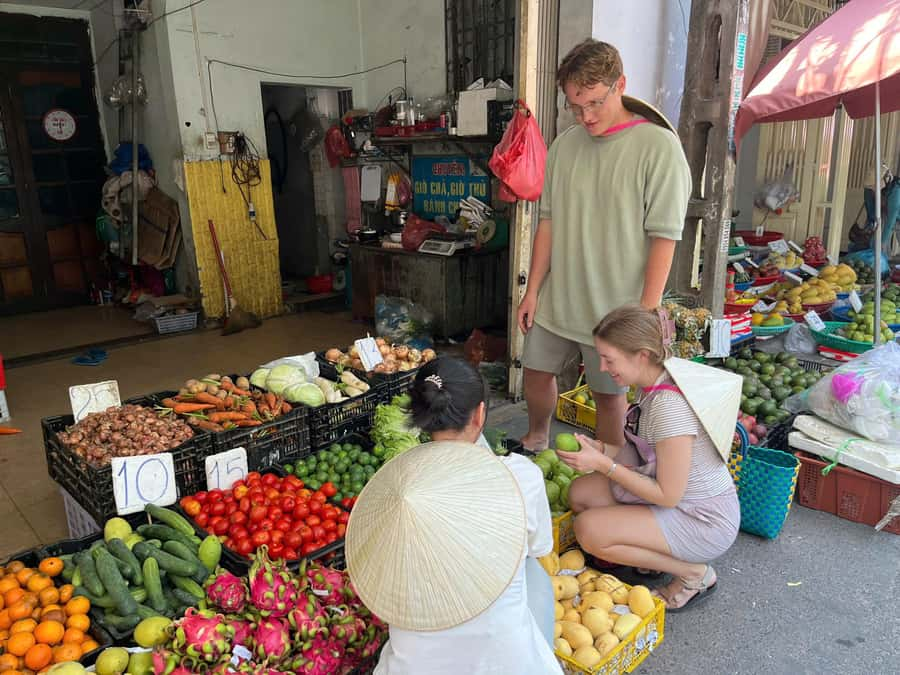
Meet at 85 Pham Quang Anh in An Hai, Son Tra, about 10 minutes before your booked start time. The class does not begin with a lecture. It begins with a walk to a local market alongside your cooking instructor.
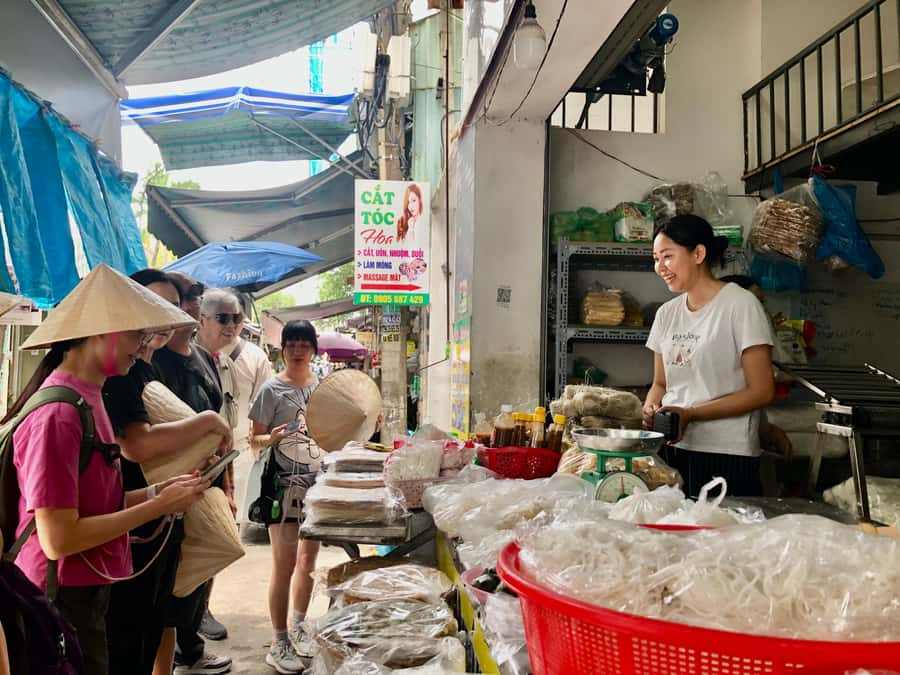
That choice gives the class a useful sense of place. You are not simply handed measured ingredients in a spotless teaching kitchen. You see the produce and seasonings before they are prepared, learn what to look for, and take part in choosing what goes into your meal. The instructor also explains local ways of life along the way, so the market becomes part of the cultural lesson.
The market is described as a genuinely local place, with familiar neighborhood connections and a very everyday feel. That can be more rewarding than a polished food demonstration, though it also means you should expect a working market rather than a quiet museum visit. Wear comfortable shoes, as requested, and be ready for a short outing on foot. Transportation to and from the venue is not included.
One practical point: the exact five dishes are not named ahead of time. You are promised recipes from three Vietnamese regions, and beef pho has been taught in the class, but the menu can depend on the session. If one particular dish is your main goal, ask before booking.
More Farmers Market Tours in Vietnam
- Hanoi Cooking Class: Culture, Local Market & Meaning CSR Impact
★ 5.0 · 5,147 reviews - Cooking Class Hoi An:Local Market, Basket Boat, Fishing & Cooking
★ 5.0 · 3,660 reviews - Hoi An Cooking Class(Local market,Basket Boat,Fishing & Cooking)
★ 5.0 · 1,323 reviews
Five dishes, three regions, one busy kitchen
Back at the class, the chef explains the background and stories behind the food before you begin. This is a helpful middle ground. You get context, but the main focus stays on cooking.
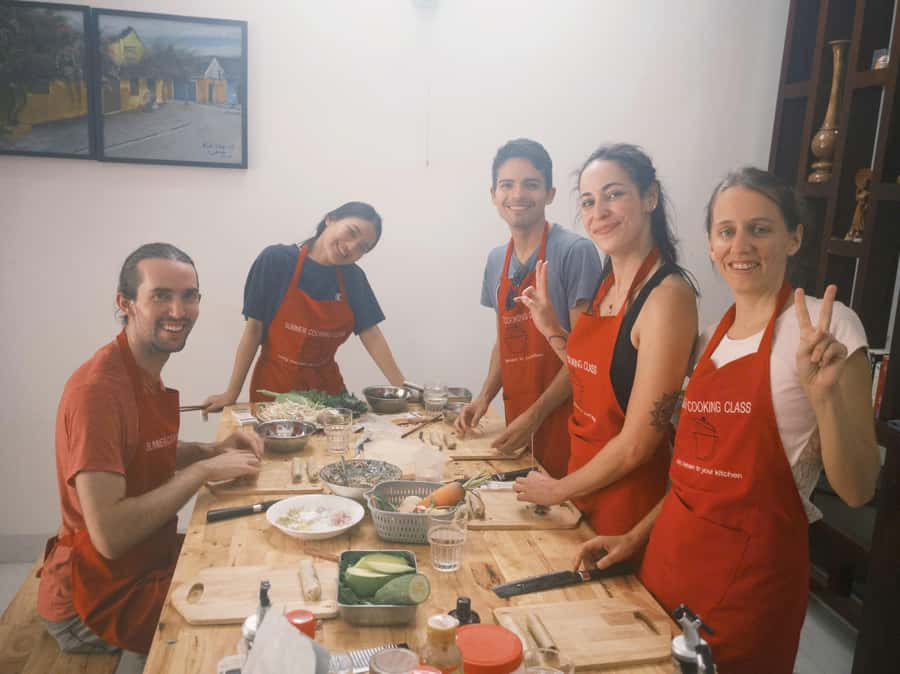
You work through five well-known Vietnamese dishes and learn the techniques needed to make them from scratch. The class is designed for participation, so you should expect to handle the preparation yourself under guidance. That matters if you want to repeat the recipes at home. Watching someone roll, season, or simmer a dish can look easy; doing it yourself shows where timing and texture really matter.
The regional spread gives the session a wider reach than a class focused only on one city. Central Vietnam has strong local food traditions, but this class uses dishes from three regions, letting you compare different flavors and methods in one sitting. You may also pick up a little Vietnamese language as the chef explains ingredients and cooking steps.
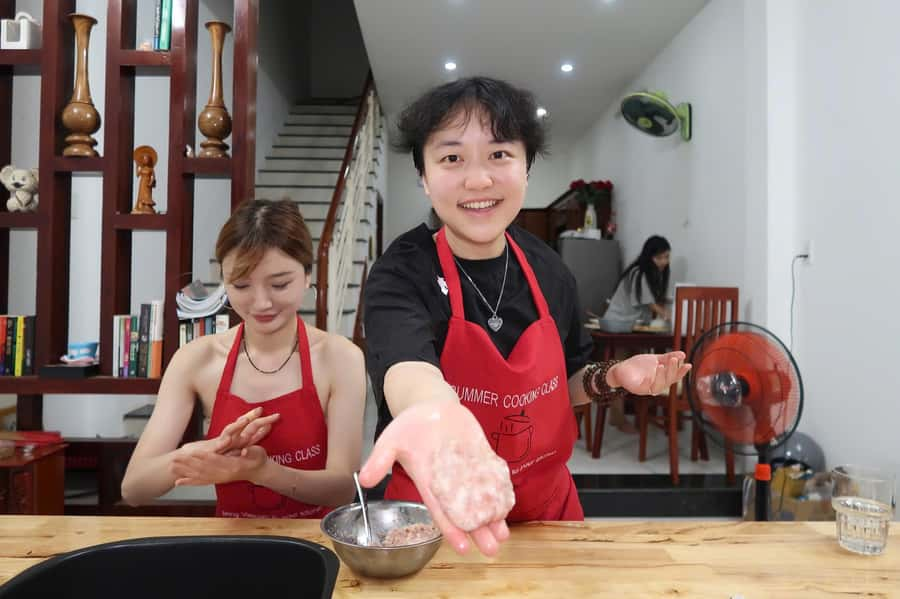
The group limit of 10 is a good fit for this format. Five dishes create plenty of work, and a very large group would make hands-on teaching less useful. With a smaller group, you can ask why an ingredient is added, how to adjust a dish, or what to do when something does not look right.
The class appears friendly and relaxed rather than formal. Music, conversation, and plenty of kitchen activity are part of the atmosphere described by past participants. That will suit you if you like social cooking. It may be less appealing if you want a quiet, highly structured demonstration with every minute planned.
Salted coffee gives the class a Da Nang signature
The Cà Phê Muối lesson is one of the most distinctive parts of the experience. Salted coffee sounds odd until you try it, and in Da Nang it has become a popular local drink. Here, you make it yourself as part of the class rather than treating it as an afterthought.
The coffee adds a welcome change of pace between cooking tasks. You make the drink, enjoy it, and get a taste of a local habit that you might otherwise miss while ordering standard Vietnamese coffee. A welcome tea is also included.
The package lists a sip of happy water. The wording is not specific about what this drink is, so do not count on it as a full beverage service. Extra drinks beyond the welcome tea are not included. If you want several coffees, soft drinks, or other beverages, plan to pay separately.
Eating what you made
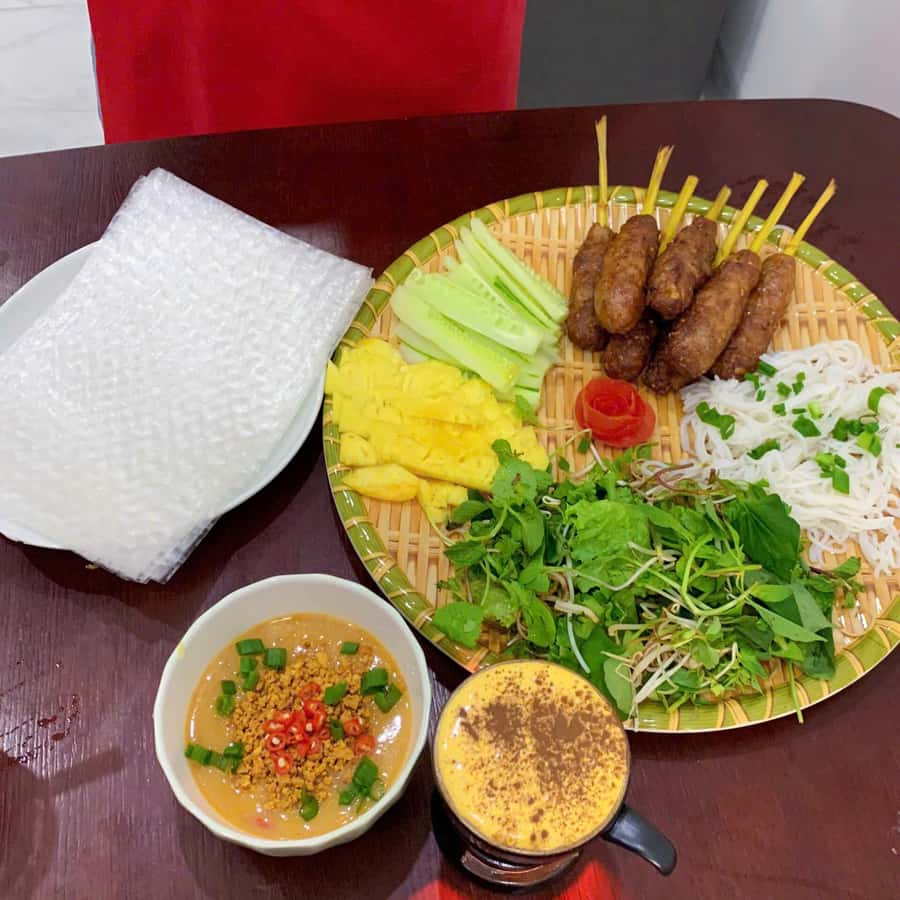
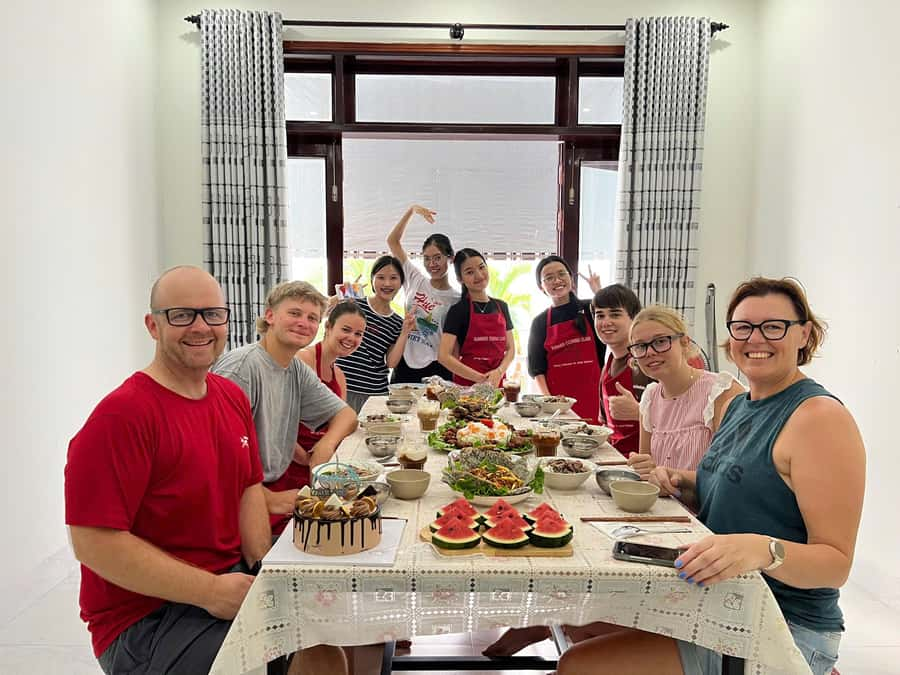
Once the cooking is finished, you sit down to enjoy the meal. This is more than a free lunch. It lets you judge the results while the instructions are still fresh in your mind.
Five dishes can make this a filling session. One useful advantage is that you taste several styles of Vietnamese food at once, not just a single recipe. Beef pho has been especially well received in the class, and the food is prepared from the ingredients selected during the market visit.
I like this finish because it gives the class a clear reward. You are not left with a stack of notes and a polite goodbye. You eat the food you helped prepare, then receive a recipe booklet and certificate. The booklet is the practical souvenir. The certificate is more of a pleasant keepsake, but both are included.
Keep your expectations realistic. The class teaches recipes and techniques, but you are not promised restaurant-level equipment, a professional kitchen qualification, or a custom menu. The value is in learning by doing and sharing the meal afterward.
Same place, a different set of stalls:
- 5 Traditional Dishes Hanoi Cooking Class with Market Trip
★ 5.0 · 4,890 reviews - Hoi An Cooking Class(Market,BasketBoat Crabfishing&Cooking Class)
★ 5.0 · 3,386 reviews - From Hoi An: Market Tour, Basket Boat Ride and Cooking Class
★ 4.8 · 2,208 reviews - Can Tho: Floating Market & Mekong’s Legacy( About 6 Pax)
★ 5.0 · 1,438 reviews
The instructors make the difference
The teaching style is likely to shape your day more than the building or equipment. Lily is described as kind, friendly, engaging, and good at connecting with different ages. She has also been praised for making the market visit clear and the cooking fun. Hai has worked alongside her, and Blue has been noted for humor, energy, and extra effort during the day.
Daisy and Jasmin are also named as instructors who provide friendly, clear support. You may not be assigned a particular teacher, so treat these names as examples of the teaching team rather than a guarantee. The listed languages are English, Chinese, and Vietnamese.
That language range makes the class accessible to a broad audience, but you should still be comfortable asking questions if a cooking term needs repeating. Instructions involve ingredients, timing, and technique, so clear communication matters.
The friendly tone is a strong part of the experience. A 16-year-old has enjoyed the class, and the setting can work well for older children and teenagers who are happy to participate. Children under 12 are not suitable for this activity, according to the stated rules.
Is $35 a fair price in Da Nang?
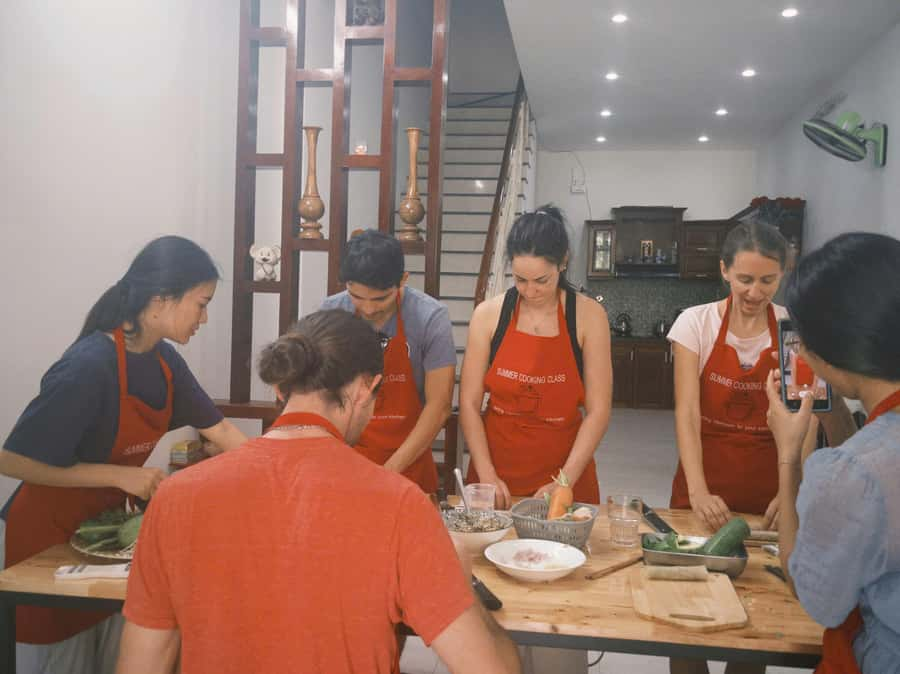
At $35 per person, the cost is reasonable for what is included. You are paying for 210 minutes, a guided market visit, ingredients for five dishes, instruction from a chef, welcome tea, salted coffee, the meal, a recipe booklet, and a certificate.
The market trip adds real value. If the class only involved cooking five dishes, the price would still be worth considering, but the shopping lesson gives you a better sense of how Vietnamese meals begin. You also avoid the extra cost of buying ingredients yourself, especially when a short stay makes a full market shop impractical.
The small-group limit makes the price stronger. Ten people is still a group, but it is small enough to keep the format interactive. You are not simply watching a cooking show while standing at the back.
There are limits. Transport is not included, and neither are drinks beyond the welcome tea. The menu is not published in the information provided, so some people may prefer a class that lets them choose a named dish in advance. You should also remember that the price covers a shared activity, not private instruction.
Timing, meeting point, and what to bring
Plan on three and a half hours, or 210 minutes. Arrive at 85 Pham Quang Anh, An Hai, Son Tra, 10 minutes before your booking time so you can pay and prepare.
Wear comfortable shoes. That is especially sensible because the class includes a market visit before the kitchen work begins. You do not need to arrange transport through the activity, but getting to and from the venue is your responsibility.
The experience offers free cancellation up to 24 hours before the start for a full refund. You can also reserve now and pay later, which helps if your Da Nang schedule is still moving around. Check the available starting times before you book, since the class duration alone does not tell you what time of day the session runs.
The activity is not suitable for people with food allergies. This is important. Five dishes and a shared cooking setting may make strict ingredient control difficult, so contact the provider before booking if you have any concern.
Who will enjoy this cooking class most
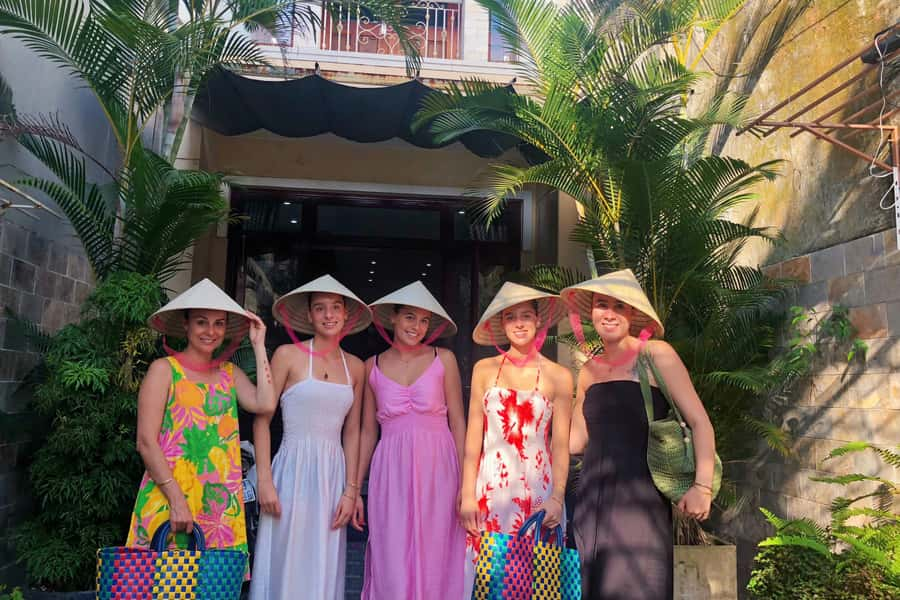
I would recommend it to you if you want a practical food experience rather than a restaurant meal. It suits solo visitors who like meeting people, couples who want a shared activity, and families with teenagers over 12. The market visit also makes it a good choice for anyone curious about daily life in Da Nang, not just famous dishes.
It is particularly useful near the start of a Vietnam trip. You can learn about ingredients, seasoning, and coffee early, then recognize some of those flavors in restaurants afterward. If you take the booklet home, you have a chance to repeat the dishes once your holiday is over.
You may want another type of activity if you have allergies, dislike markets, or prefer a fixed menu. It is also not ideal if you want private transport or a short one-hour class. Three and a half hours is a substantial block of your day, but the time includes shopping, preparation, cooking, eating, and the final presentation.
Should you book it?
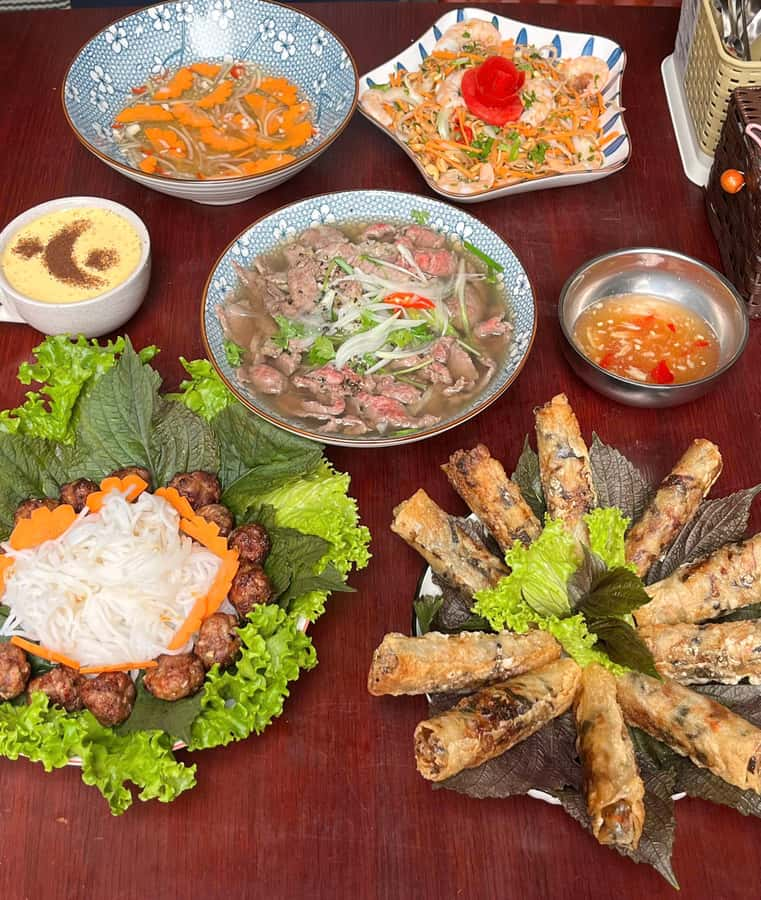
Book this class if you want to shop locally, cook several dishes, and eat a generous meal in a small, friendly group. The best parts are the market visit, the chance to make five recipes from three regions, and the salted coffee lesson. At $35, the package offers solid value.
Skip it if food allergies are an issue, if you need a guaranteed list of dishes, or if you want a private class with transport included. For everyone else, this is a practical way to spend a morning or afternoon in Da Nang, with skills and a recipe booklet to carry into the rest of your Vietnam trip.
FAQ
Where does the cooking class meet?
The meeting point is 85 Pham Quang Anh, An Hai, Son Tra, Da Nang. You should arrive 10 minutes before your booked start time.
How long does the activity last?
The class lasts 210 minutes, or three and a half hours. Starting times depend on availability.
What is included in the $35 price?
The price includes an English, Chinese, or Vietnamese-speaking chef, welcome tea, the local market trip, ingredients for five Vietnamese dishes, salted coffee, a recipe booklet, a certificate of completion, and a sip of happy water.
How many people can join the class?
The activity is a small-group experience limited to 10 participants.
Which languages are available?
Instruction is available in English, Chinese, and Vietnamese.
Is the class suitable for children or people with food allergies?
Children under 12 are not suitable for the activity. People with food allergies should not book this experience.
Can I cancel or pay later?
You can cancel up to 24 hours in advance for a full refund. Reserve now and pay later is also available.
Just added around Vietnam
- Tra Su Cajuput Forest An Cairang Floating Market★ 5.0 · 4 reviews
- Private ecotour in Can Tho: floating market-nature reserved★ 5.0 · 23 reviews
- Can Tho: Floating Market, Canals, Nature Reserve & Forest★ 5.0 · 42 reviews
- Hau River Floating Market and Con Son Islet Adventure★ 5.0 · 3 reviews
- Cai Rang Floating Market Tour -Amazing Can Tho★ 5.0 · 106 reviews
- Floating Market & Hidden Canals – Small Group Morning Boat Tour★ 5.0 · 34 reviews
- Explore Floating Market with Local People★ 5.0 · 7 reviews
- Can Tho Floating Market and Fruit Garden Tour★ 5.0 · 40 reviews
Local & Farmers Market Tours, compared.

Hanoi Cooking Class: Culture, Local Market & Meaning CSR Impact
Read our review →
Cooking Class and Lunch at a Tuscan Farmhouse with Local Market Tour from Florence
Read our review →
Cooking Class Hoi An:Local Market, Basket Boat, Fishing & Cooking
Read our review →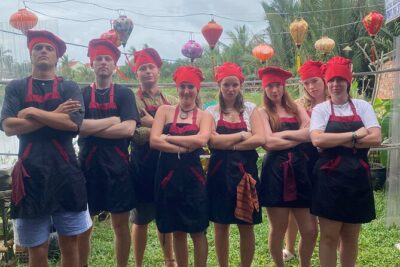
Hoi An Cooking Class(Local market,Basket Boat,Fishing & Cooking)
Read our review →
Paella Cooking Class, Wine Tasting & Central Market in Valencia
Read our review →
Seattle: Pike Place Market Chef-Guided Food Tour
Read our review →Browse the lists this tour appears in