
Review · MARKET AND COOKING CLASS TOURS
Florence: Market to Table Cooking Lesson
Florence’s best cooking lesson begins before you reach the kitchen. You start at the central market, where a chef introduces you to local meats, cheeses, vegetables, truffle products, and other Tuscan staples. Then you head to a cooking school to turn those ingredients into a meal of fresh pasta, sauce, a main course, and dessert.
I like the market-to-table connection, since it teaches you how Italians choose ingredients rather than simply handing you a recipe. I also like the hands-on pasta work, which gives you a skill you can repeat at home. The main drawback is that the class can involve a fair amount of standing, and some steps are demonstrated rather than completed by every person in the group.
Key points at a glance
- Market first: Meet farmers, bakers, butchers, and food sellers at Florence’s central market, with tastings that can include truffle products, cheeses, oils, and pastes.
- Fresh pasta by hand: Roll your own dough and learn how simple pasta ingredients become a proper Italian course.
- Classic Tuscan menu: Past classes have prepared bruschetta, ragù or Bolognese, fresh tagliatelle or linguine, and tiramisu.
- Friendly English-speaking chefs: Instructors have included Julio, Emanuele, Andrea, Antonio, Thomas, and others, with lessons built around cooking tips and food traditions.
- Lunch and wine included: Sit down to eat the meal you helped prepare, with red or white Italian wine.
- Useful planning note: The market visit is skipped on Sundays and bank holidays, and the class is not suitable for people with gluten intolerance.
Why this Florence cooking class works
This is not just a pasta demonstration followed by lunch. The lesson is designed as a half-day introduction to how Tuscan food is bought, prepared, and served.
The total experience lasts about 4.5 hours. That gives the chef enough time to explain ingredients, show techniques, let you work with the food, and serve the finished meal without rushing every step. If you want a quick pasta workshop, this may feel long. If you want to understand the meal from market stall to dining table, the length is useful.
The class is conducted in English. The named chefs have varied over time, but past instructors have included Julio, Emanuele, Andrea, Antonio, Thomas, and others. The strongest part of the teaching is practical: knife skills, pasta dough, sauce preparation, ingredient choices, and the small habits that make Italian food taste good without burying it under herbs and spices.
I would think of this as a social class as much as a cooking lesson. Group sizes have varied, from small groups of about six or seven to groups of around 17. Smaller groups allow more attention, while larger groups can feel more lively but may mean that some tasks are shared.
More Market and Cooking Class Tours in Florence
- Cooking Class and Lunch at a Tuscan Farmhouse with Local Market Tour from Florence
★ 5.0 · 4,831 reviews - Small Group Cooking Class & Market Food Tour in Florence
★ 5.0 · 1,574 reviews - Pasta and Tiramisu Cooking Class with optional Local Market Tour
★ 5.0 · 515 reviews
Starting at Florence’s central market
The meeting point is at Via Panicale 43/r in central Florence. From there, you meet the chef and begin with the market visit.
The market portion gives the food some context. Instead of learning that ragù requires meat, vegetables, and time in a classroom, you first see the kinds of products sold in Florence and hear how to choose them. The chef may explain different cuts of meat, seasonal produce, cheeses, and other ingredients used in Tuscan cooking.
Past lessons have included tastings of truffle oils, truffle pastes, and truffle cheeses. These tastings can be a real treat, especially if you have not tried several forms of truffle products side by side. The point is not only to taste something expensive. You also get a sense of how strong flavors are used in Italian cooking and how a small amount can change a dish.
The market stop is not always a full shopping trip in the way you might picture it. Some groups have spent more time discussing meat or tasting specialty products, while seeing less of the vegetable stalls or other sections of the market. One past class focused on steak before buying ground beef for ragù, which created some confusion. If you are keen to see every corner of the market, keep your expectations measured.
That said, the market is still a worthwhile opening because it puts local food in front of you before you start cooking. Pay attention to the chef’s advice on selecting ingredients. Those small lessons often travel home better than a formal lecture.
On Sundays and bank holidays, the central market is closed, so the market visit is skipped. The cooking class still forms the main part of the experience, but the day loses one of its more distinctive elements. I would choose a weekday or Saturday if the market matters to you.
From market stalls to the cooking school
After the market visit, you ride by minivan to the cooking school. This transfer saves you from having to find the kitchen yourself and keeps the class moving as one group.
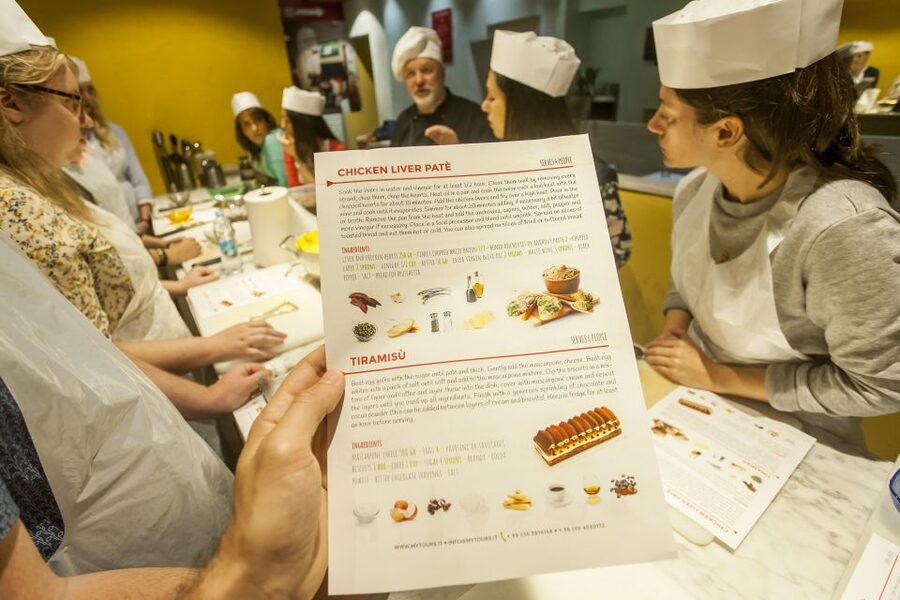
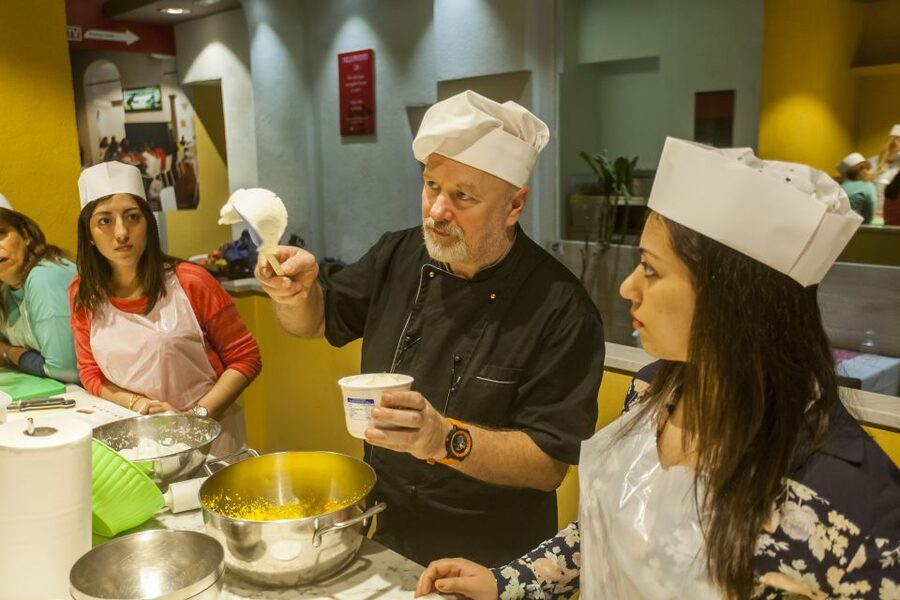
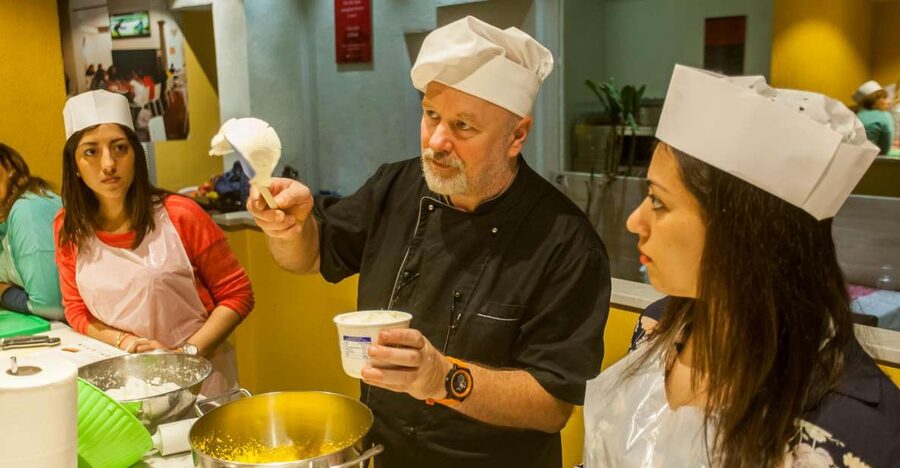
The school becomes the working part of the experience. The chef introduces the menu, explains where the dishes come from, and divides the preparation into manageable steps. The exact menu can vary, but the recurring favorites are bruschetta, fresh egg pasta, ragù or Bolognese sauce, and tiramisu.
You may also prepare a meat or fish course, depending on the lesson. The available information does not promise one fixed main course every time, so I would not book this expecting a particular cut of meat or type of fish.
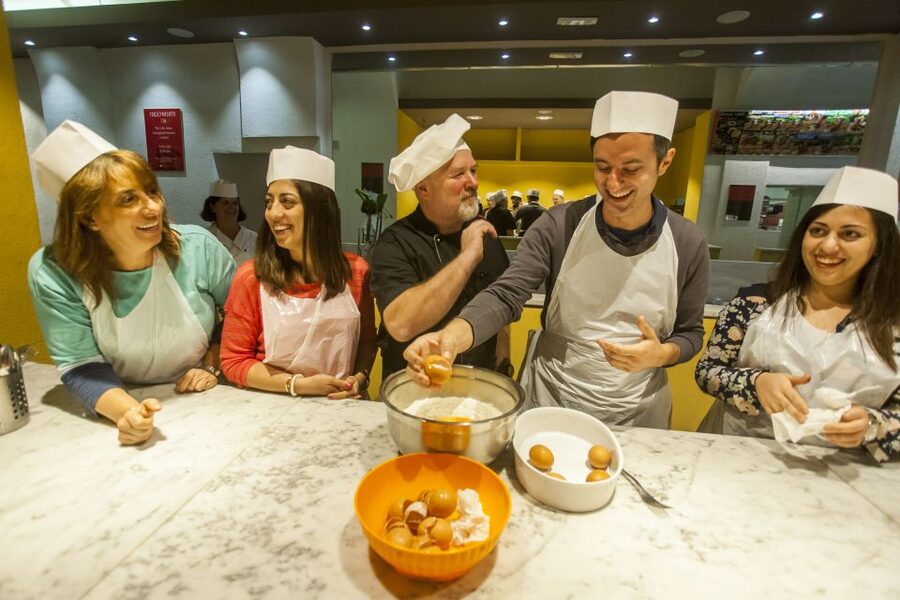
The teaching style is generally active and informal. Everyone gets a role, though not necessarily the same amount of time with every dish. You may chop vegetables, stir sauce, shape pasta, assemble bruschetta, or help with dessert while the chef handles longer or more delicate steps.
This division makes sense in a four-hour class. Making every participant complete every repetitive task would take far too long. Still, if you want nonstop hands-on cooking, you should know that some of the preparation may be shown to the group rather than done individually.
Making pasta from scratch
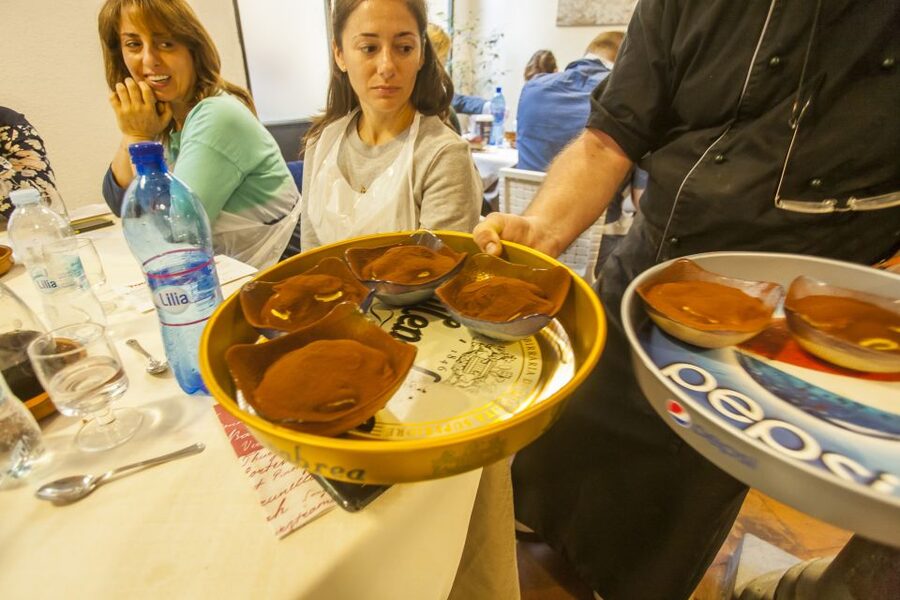
Fresh pasta is the heart of the class for many people. You work with the dough, roll it, and shape it into pasta such as tagliatelle or linguine.
The method is simple enough to repeat at home, but the value lies in learning how the dough should feel and how thin it needs to be. Those are details a recipe card cannot fully explain. A chef can show you when the dough needs more work, how to handle the rolling, and how to avoid turning the pasta into a sticky mass.
One particularly useful feature is that participants have rolled their own pasta dough rather than simply watching the chef do it. In a group class, the chef may speed up the slower parts while still giving everyone a turn at the key steps.
Pasta making also gives the class a good balance. You are not just learning a famous dish. You are learning a base technique that can be used with many sauces after you return home.
More Market and Cooking Class Tours in Italy
- Florence: Cooking Class with Local Food Market Tour
★ 4.9 · 407 reviews - Florence: Cooking Class at a Tuscan Farm & Local Market Tour
★ 4.9 · 354 reviews - Florence Cooking Course with Historic Local Market Visit
★ 4.5 · 151 reviews - Florence: Market Visit and Cooking Class
★ 4.4 · 16 reviews
Building ragù, Bolognese, and simple sauces
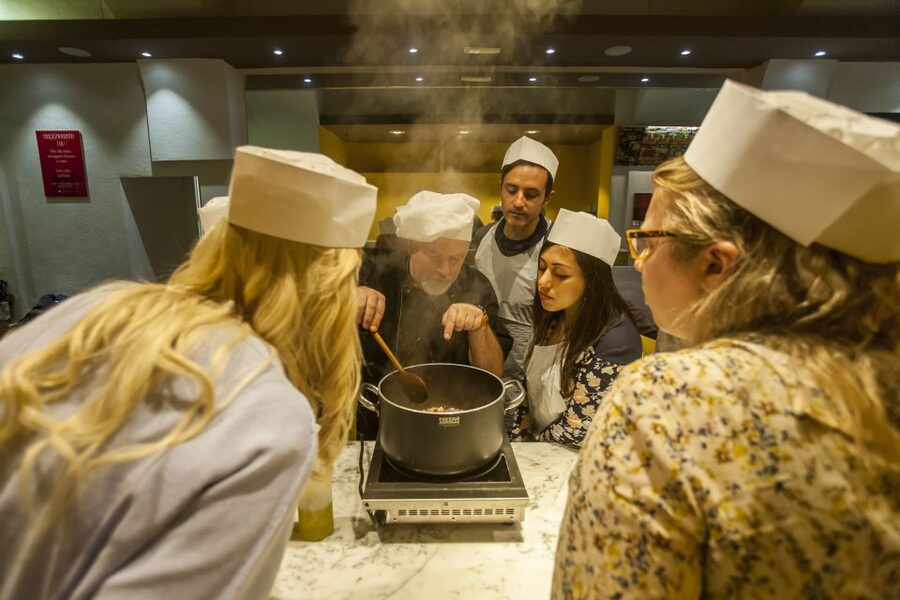
The sauce section focuses on the Italian habit of letting good ingredients do much of the work. Depending on the class, you may prepare tomato sauce, ragù, Bolognese, or pesto.
A recurring lesson is restraint. The cooking is not built around adding a long list of herbs and spices. Instead, the chef explains how to handle the main ingredients and how to let the sauce develop its own flavor.
Ragù is especially useful because it breaks into simple steps, yet rewards patience. You may help cut vegetables, prepare the meat, and stir the sauce as it cooks. The chef can also explain why the ingredients are added in a certain order.
This is where the class earns its place as a practical souvenir. A photograph of a Florentine church is lovely, but a pasta technique you can use for years is harder to lose. One former participant returned home and recreated the meal for a large family gathering, including the pasta, sauce, and tiramisu.
Bruschetta, meat or fish, and tiramisu
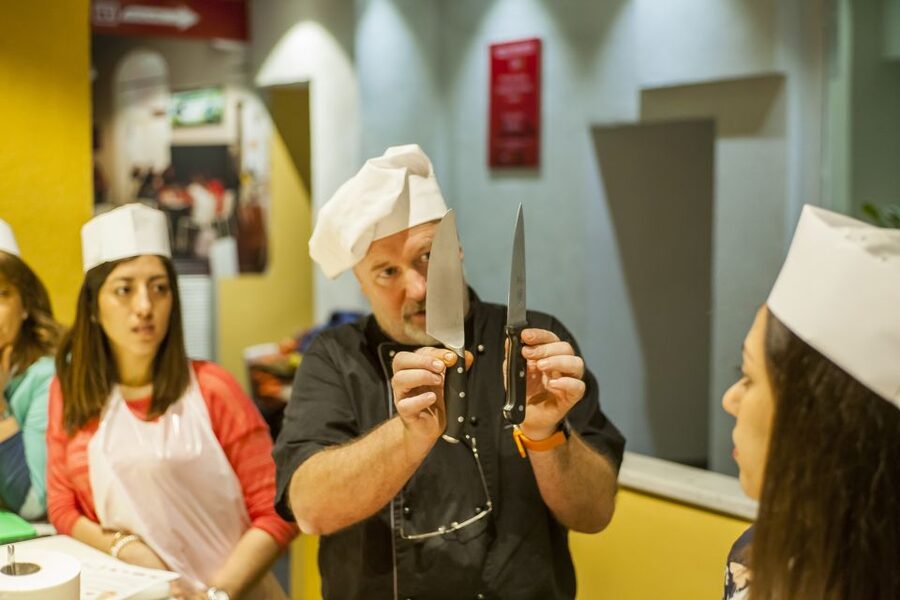
The menu usually includes more than pasta. Bruschetta is a simple first course, but it is a good lesson in proportion and freshness. You prepare the bread and toppings, then see how a few well-chosen ingredients can make a satisfying starter.
A meat or fish dish follows, although the exact preparation is not fixed in the information provided. This part gives the chef a chance to explain cutting skills, handling, and cooking methods. Past classes have included instruction on choosing meat and on basic knife work.
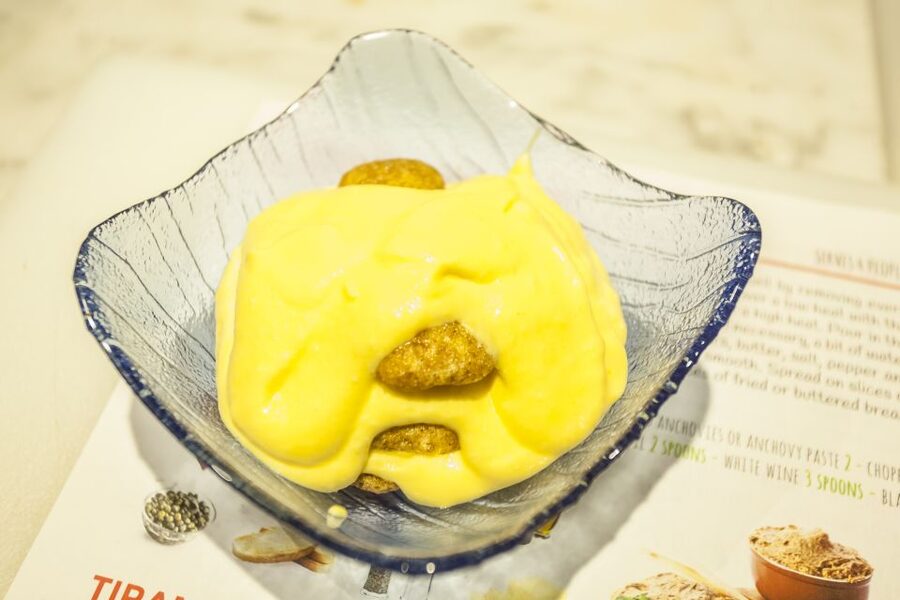
Dessert is often tiramisu. This has been one of the most popular dishes in the class because it feels impressive while remaining practical to make at home. The chef demonstrates the stages, and the group helps assemble it.
If you are hoping to master advanced restaurant cooking, this is not that kind of course. The focus is on classic dishes that a home cook can repeat. That makes the class more useful for most people, especially if you plan to use the recipes after your trip.
Eating the meal with Italian wine
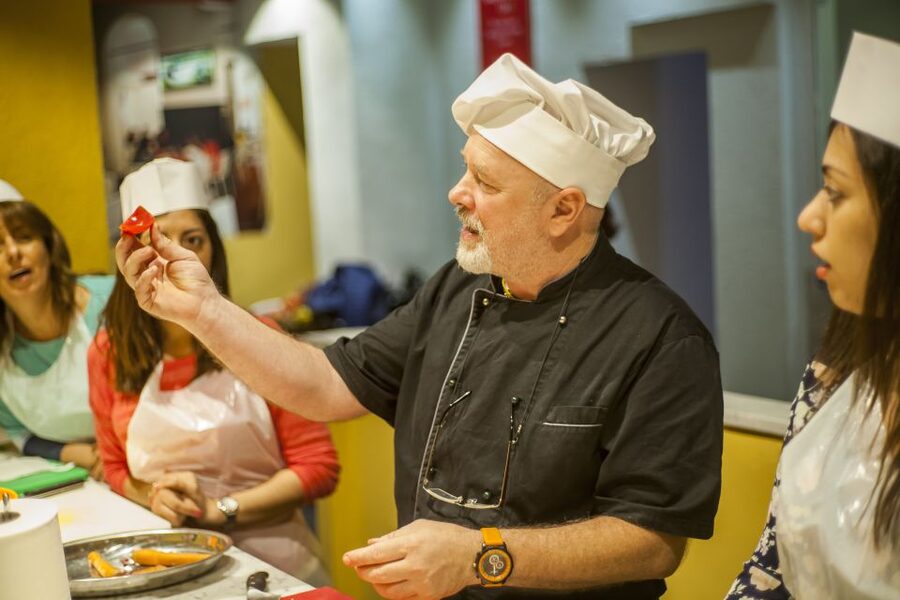
Once the cooking is finished, you sit down to eat what the group has prepared. The meal can include bruschetta, fresh pasta with ragù or another sauce, a meat or fish course, and tiramisu.
Red or white Italian wine is served with lunch. The wine turns the final meal into part of the lesson rather than a separate restaurant stop. You can taste how the dishes work together and enjoy the payoff of the morning’s work.
The food is prepared by a group, so it is not identical to a restaurant meal cooked by one professional chef. Even so, the chef guides the key stages and puts the final touches on the dishes. That shared result is part of the fun. You know exactly how the food reached the table.
The class ends with a graduation certificate. Recipes may also be provided, but past participants have had to follow up when promised recipes did not arrive. I would take notes during the lesson and confirm how the recipes will be sent before leaving.
The chefs and teaching style
The names of the chefs have changed over the years, but the instructors have generally been central to the experience. Julio has been praised for being patient, funny, and clear, while Emanuele has been described as entertaining and well informed about Italian food. Andrea has led both the market walk and the cooking, and Thomas has been praised for his practical teaching.
These details matter because a cooking lesson can succeed or fail on the teacher’s pace. A good chef keeps beginners involved without making experienced cooks feel bored. Past classes have included people cooking at very different skill levels, yet the structure has allowed everyone to take part.
There have been occasional language issues when a class included a Spanish-speaking participant and time was needed for translation. The official language is English, so you should expect the lesson to be taught in English, not as a multilingual class.
The group atmosphere can also affect the day. Some people book alone and make friends during the lesson. Others attend with a parent, partner, or friend. Cooking together gives you an easy way to talk, even if nobody knows one another at the start.
Standing, stairs, and the practical side
You must be able to climb and descend stairs. The class also involves standing for long stretches, especially during the market visit and preparation. Stools have not always been available for everyone, so this is worth considering if you have mobility concerns or are already tired from several days of walking around Florence.
Wear comfortable shoes and arrive ready to work. The class is not suitable for people with gluten intolerance because fresh pasta and other wheat-based foods are part of the meal.
The meeting point is in central Florence, and the minivan transfer to the cooking school is included in the flow of the experience. After lunch, the minivan returns you to the departure point in central Florence.
You can cancel up to 24 hours before the activity for a full refund, and the reserve-now-pay-later option lets you hold a place without paying immediately. The exact price is not provided here, so I cannot judge it against a specific figure. In value terms, compare it with the cost of a market visit, a cooking lesson, lunch, wine, and a guided food introduction purchased separately. If those are all things you want, the four-and-a-half-hour format can make sense.
Who should book this Florence cooking class?
I would recommend it to you if you want more than a restaurant meal and would like to take a usable skill home. It suits beginners, couples, families with older children, solo visitors, and anyone who enjoys food as a way to meet people.
It is especially good for someone who wants a classic menu rather than an advanced course. You will learn fresh pasta, sauce, bruschetta, dessert, and basic food selection in one session.
I would think twice if you dislike group activities, need to sit often, have gluten intolerance, or want a tightly fixed menu. You should also choose your date carefully if the central market is important, since the market stop is not available on Sundays and bank holidays.
Should you book it?
Book this class if you want to understand Tuscan cooking through ingredients, technique, and a shared meal. The strongest features are the central market introduction, the chance to roll pasta yourself, the approachable dishes, and the chef-led guidance.
Skip it if you want a quiet half-day or a highly advanced culinary course. For most people who enjoy food and have the stamina for several hours on their feet, this is a useful and enjoyable Florence activity, with skills that can follow you home long after the certificate has found a drawer.
FAQ
How long does the Florence cooking class last?
The experience lasts about 4.5 hours, including the central market visit, the transfer to the cooking school, the lesson, the meal, and the return to central Florence.
Where is the meeting point?
Meet at Via Panicale 43/r, 50123 Florence. The listed coordinates are 43.77748489379883, 11.253640174865723.
Is the class taught in English?
Yes. The live guide and cooking instruction are in English.
Does the experience include a market visit?
Yes, the class normally begins with a visit to Florence’s central market. On Sundays and bank holidays, the market is closed and this part is skipped.
What food will I learn to prepare?
The menu can vary, but dishes have included bruschetta, fresh pasta, tomato sauce, ragù, Bolognese, pesto, a meat or fish course, and tiramisu.
Is wine included?
Yes. The meal you help prepare is served with quality Italian wine, including red or white wine.
Is the class suitable for someone with gluten intolerance?
No. The experience is not suitable for people with gluten intolerance.
Do I need to be comfortable with stairs and standing?
Yes. You must be able to climb and descend stairs, and the cooking session may involve standing for a substantial part of the class.
Just added around Florence
- Florence: Markets and Food Tasting Tour★ 5.0 · 2 reviews
- Florence: Market Visit and Cooking Class★ 4.4 · 16 reviews
- Florence Street Food Tour: Central Market & Duomo Area★ 4.9 · 45 reviews
- Florence:Dolce Vita by Day Market Tour & Pasta Making Class★ 5.0 · 2 reviews
- Florence Central Market Food Tour with Eating Europe★ 5.0 · 4 reviews
- Florence: Sant’Ambrogio Market Food Tour of 10+ Local Dishes★ 4.6 · 21 reviews
- Florence: Market and Cooking Class at a Local’s Home★ 5.0 · 9 reviews
- The Original Street Food & Market Tour of Florence★ 5.0 · 3 reviews
Market and Cooking Class Tours, compared.
Hanoi Cooking Class: Culture, Local Market & Meaning CSR Impact
Read our review →
5 Traditional Dishes Hanoi Cooking Class with Market Trip
Read our review →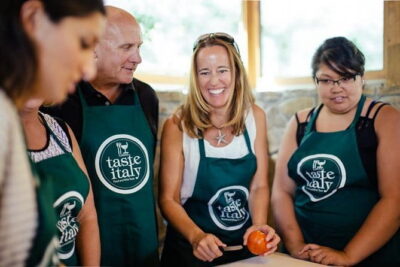
Cooking Class and Lunch at a Tuscan Farmhouse with Local Market Tour from Florence
Read our review →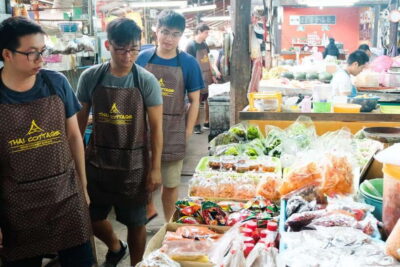
Cooking Class, Market & Thai Herbs Garden Tour
Read our review →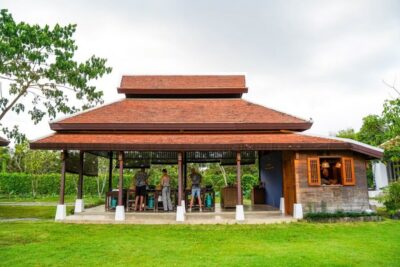
Authentic Cooking Class with Market & Farm Visit
Read our review →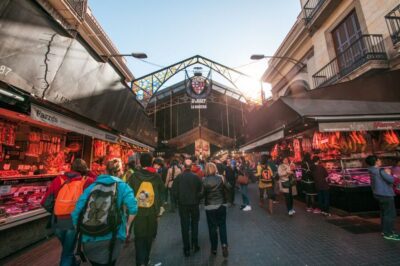
Paella Cooking Experience & Boqueria Market Tour
Read our review →
Cooking Class Hoi An:Local Market, Basket Boat, Fishing & Cooking
Read our review →
Hoi An Cooking Class(Market,BasketBoat Crabfishing&Cooking Class)
Read our review →Browse the lists this tour appears in