
Review · MARKET AND COOKING CLASS TOURS
Essence of Mexico: Authentic Mexican Cooking Class & Market Tour
The clever part of this Mexico City cooking class is its order: you see ingredients at Mercado Medellín before using them in the kitchen. You may taste fruit, tortillas, and even insects, then turn familiar market finds into sopes, salsas, tortillas, mextlapiques, mole blanco, and cornbread.
I like the small maximum of eight people, which gives chefs such as Lorena, Pame, Mariana, Ana, and Nitze room to help each cook. I also like the menu’s less-common dishes. The main consideration is the nut allergy warning: mole blanco uses pine nuts, almonds, peanuts, and sesame, and the class is not suitable for people with nut allergies.
Key points to know before booking
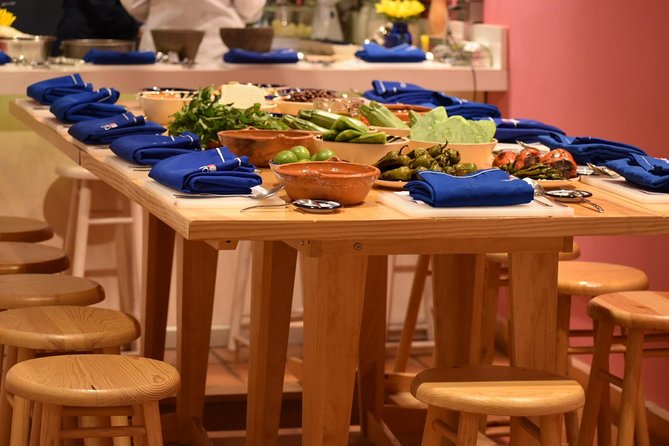
- Mercado Medellín comes first: A chef explains the market’s layout, vendors, produce, and food traditions before the cooking begins.
- The menu goes beyond tacos: You prepare sopes with two salsas, mextlapiques, handmade tortillas, mole blanco, and cornbread.
- The class is genuinely hands-on: You help prepare the four-course meal rather than simply watching a demonstration.
- The group is capped at eight: That small size helps the chef answer questions and adjust tasks for different cooking abilities.
- Drinks are part of lunch: Choose from artisanal mezcal, Mexican craft beer, or Mexican wine, followed by dessert and water-based hot chocolate.
- Plan around the dietary warning: Chicken, panela cheese, or mushrooms can accompany the mole, but nuts are part of the cooking and tasting experience.
A market morning before the kitchen
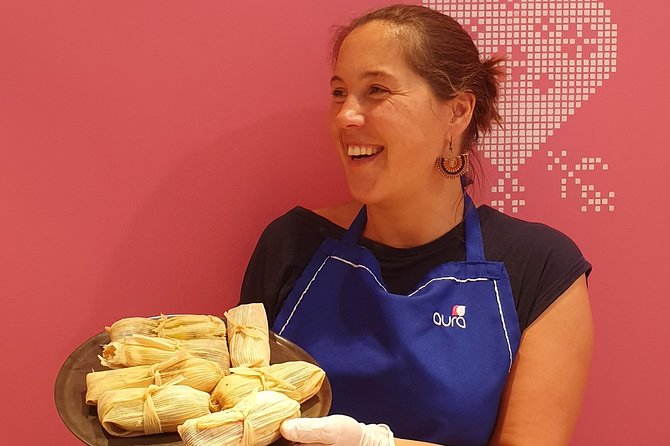
Your morning starts at 9:30 a.m. at Aura Cocina Mexicana, at Eje 3 Pte 191 in Roma Norte. You receive an agua fresca while the chef introduces the history of Mexican cuisine and explains how the day’s ingredients fit into it.
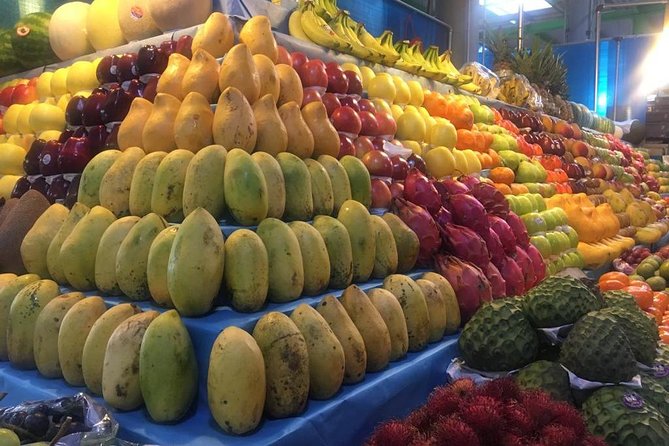
The first stop is Mercado Medellín, within walking distance of the cooking studio. This is more useful than simply being sent into a market with a shopping list. The chef explains how the market is organized, points out its main halls, and introduces you to selected stands.
You may sample fresh fruit, tortillas, and other market foods. Some sessions have included insect tasting, so this is not a carefully sanitized, tourist-only version of Mexican food. If you are curious, it is a fun way to try something unfamiliar. If you are cautious about unusual tastes, you can take the market at your own pace.
I especially like this part for first-time visitors to Mexico City. Markets can feel fast and confusing when you do not know what you are looking at. With an English-speaking chef beside you, ingredients gain a name, a use, and a place in Mexican cooking.
The market visit is described as quick-paced yet informative. That is a fair expectation. You will not have hours to browse every aisle or shop independently. Instead, you get a focused walk through the foods used in the class, plus neighborhood details and the stories behind certain vendors and products.
More Market and Cooking Class Tours in Mexico
- Cabo San Lucas Mexican Cooking Class Experience and Local Markets
★ 5.0 · 915 reviews - Puerto Vallarta Cooking Class Experience with Market Tour
★ 5.0 · 698 reviews - Mexican Cooking Class with Food Market Visit in Mexico City
★ 5.0 · 506 reviews
Back at Aura Cocina Mexicana
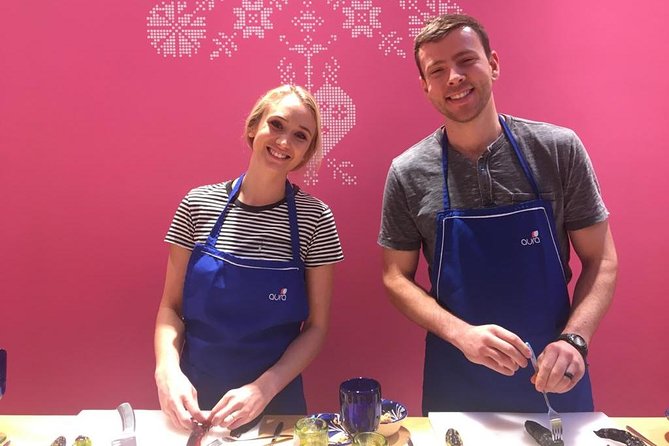
After the market, you return to Aura Cocina Mexicana for the hands-on lesson. The studio is described as clean, nicely decorated, and well organized, with an apron supplied for the class. Wear comfortable clothes and shoes, and leave scarves, long necklaces, and loose jewelry at your hotel.
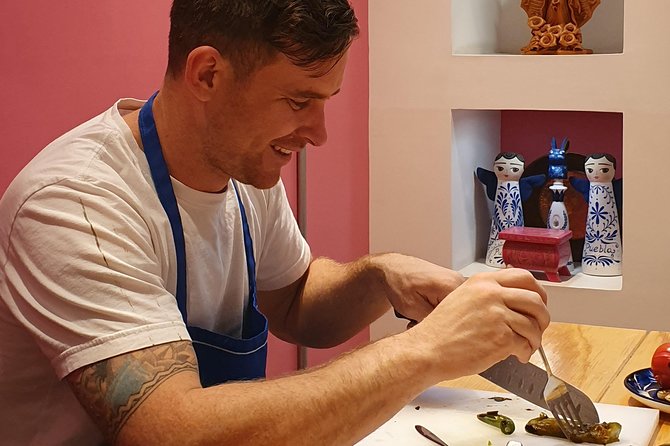
The chef begins with detailed explanations of recipes and ingredients. You then work through the preparations as a group. The class is suitable for a mix of cooking abilities because the chefs guide each step and assign manageable tasks. Children aged 11 and 14 have taken part successfully, with roles that kept them involved.
The cooking is not limited to assembling a few toppings. You prepare a four-course meal, and the process gives you techniques you can repeat at home. You will handle tortillas, sauces, vegetables, fillings, and baking, with the chef explaining flavor and method along the way.
Different chefs lead the experience, including Lorena, Pame, Mariana, Ana, and Nitze. The strongest pattern in the feedback is their warmth and patience. The chef is not just there to call out instructions. You can expect someone who explains the ingredients, checks preferences, helps less confident cooks, and keeps the group moving.
Sopes, salsas, and handmade tortillas
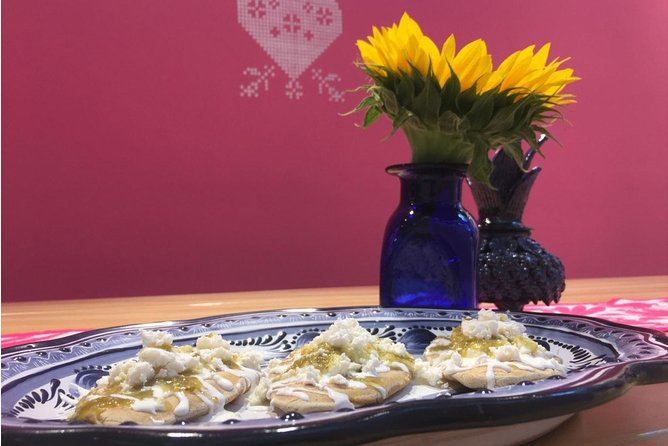
The first course is Mexican street food: sopes with two salsas. You prepare a red molcajete sauce and a green sauce, learning how two sauces can bring very different flavors to the same base.
Sopes are a good opening dish because they introduce the basics of Mexican cooking in a practical way. You work with masa, shape the small bases, and build the dish with its sauces. The process is approachable, but it still gives you something to repeat at home.
Handmade tortillas are also part of the session. This can be one of the most satisfying tasks because the difference between a packaged tortilla and one made fresh is easy to understand. The chef guides you through the preparation rather than assuming you already know the technique.
For me, this is where the class earns its price better than a simple restaurant meal. You eat the food, but you also learn why it works. The printed recipes help you recreate the dishes after your trip, though you should expect the final result at home to depend on the ingredients and equipment you can find.
Mextlapiques, a less familiar Mexican dish
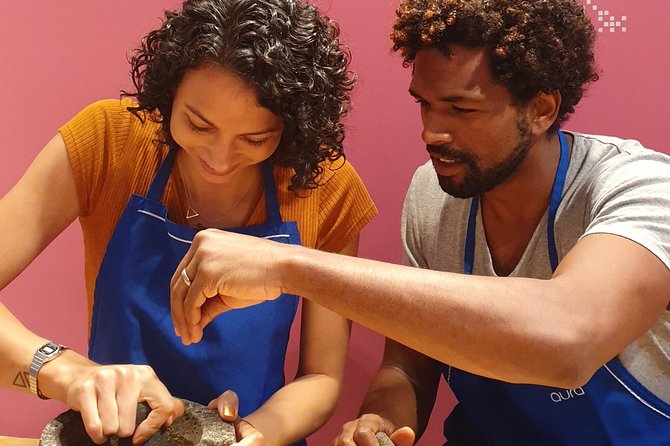
The second starter is a mextlapique, described here as a tamale without masa. It is filled with vegetables and topped with a spearmint sauce.
This is an unusual choice for a class aimed at visitors. You are not just making the most familiar Mexican dishes that appear on every restaurant menu. Mextlapiques give you a glimpse of another side of Mexican cooking, with vegetables and herbs taking the lead.
The dish also gives the class a good change of pace. After shaping masa for sopes and tortillas, you work with a different kind of preparation. The spearmint sauce adds another flavor direction, and the chef explains how the ingredients come together.
If you want a class built around basic tacos and guacamole, this menu may feel less predictable than expected. I see that as a benefit, but it is worth knowing before you book. The focus is on traditional ingredients and less-common preparations, not on a greatest-hits lesson designed only around dishes you already recognize.
More Market and Cooking Class Tours in Mexico City
- Mexico City: Authentic Mexican Cooking Class & Market Tour
★ 4.7 · 39 reviews - Mexican Street Tacos Hands-on Cooking Class and Market Tour
★ 5.0 · 37 reviews - Private Market Tour, Cooking Class in Mexico City with Alex & Ale
★ 5.0 · 25 reviews - Coyocán: Market Tour and Cooking Class
★ 5.0 · 23 reviews
Mole blanco with your choice of main ingredient
The main course is mole blanco, a light-colored mole made with white pine nuts, almonds, peanuts, sesame seeds, blonde raisins, and chile guero. It is usually served with chicken pieces.
You can request panela cheese or mushrooms instead of chicken. This choice must be indicated in advance, which matters if you are vegetarian or simply prefer not to eat chicken. It does not remove the nut issue, since nuts and sesame are central to the sauce.
Mole blanco is a useful dish to learn because it shows that mole is not one single dark, chocolate-heavy sauce. The color and flavor come from a particular mix of nuts, seeds, dried fruit, and chile. You get a better sense of how Mexican cooks build a sauce from layers of ingredients rather than relying on one strong seasoning.
The chef’s explanations are especially valuable here. Mole can look complicated at first, but working through the ingredients with guidance makes it easier to understand. You can ask about texture, substitutions, and balance as the group cooks.
The meal is paired with artisanal mezcal, Mexican craft beer, or Mexican wine. You do not need to choose the same drink as everyone else, so the pairing can suit your taste. Alcohol is included, but if you do not drink, the experience also begins with agua fresca and finishes with hot chocolate.
Cornbread and hot chocolate to finish
Dessert is cornbread served with water-based hot chocolate. It is a simple finish after the work of the savory courses, and it keeps corn at the center of the meal.
The hot chocolate is made with water rather than milk. That detail matters if you are expecting the thick, dairy-based style served in some places. It gives you another example of the range of Mexican chocolate drinks.
By this point, lunch is not just a meal handed to you. You have helped make each course, sat down with the group, and eaten food connected to the market you visited earlier. That connection is the heart of the experience.
Some sessions have a relaxed social feel, with people chatting, laughing, and even dancing a little while cooking. The small group helps here. You are not lost in a large class, and the chef can learn your taste preferences and comfort level.
What the $178.77 price includes
At $178.77 per person, this is not a cheap way to eat lunch. It is also more than a short cooking demonstration. The price includes the chef guide, market tour, ingredients, apron, printed recipes, four-course meal, dessert, hot chocolate, and alcoholic drinks.
I would judge the value by the whole morning rather than the food alone. You receive roughly four and a half hours of instruction, guided market time, hands-on cooking, and a substantial meal. The market orientation is useful, the group is limited to eight, and the recipes give the experience some value after you return home.
The price makes the most sense for you if you want a serious food activity and would otherwise book a market tour or cooking class separately. It is less attractive if you mainly want a quick introduction or a low-cost lunch.
The chefs appear to be a major part of the value. Lorena is praised for explaining food, history, and flavor profiles while keeping the group involved. Pame is known for an upbeat, welcoming approach. Mariana has led well-organized classes with careful attention to individual needs, while Ana has been especially good at connecting market ingredients with the history of Mexican cooking. Nitze has handled mixed skill levels with ease.
Because the exact chef may vary, I would book for the format and staff rather than for one named instructor. The consistent benefit is a small, English-language class led by a professional chef.
Timing, location, and practical details
The experience starts at 9:30 a.m. and ends back at the meeting point. The initial address is in Roma Norte, near public transportation, and the market is within walking distance of the cooking studio.
Allow the full four and a half hours. This is not an activity to squeeze between a morning museum visit and an early afternoon appointment. The market walk, cooking, meal, drinks, and dessert all need time.
You receive confirmation when booking, and mobile tickets are accepted. Service animals are allowed. The activity is offered in English.
The class has a maximum of eight people, though the exact group size can be smaller. That limit is important if you dislike crowded demonstrations or want a chance to ask questions. It also means everyone needs to take part and keep the group moving.
Free cancellation is available if you cancel at least 24 hours before the local start time. Changes or cancellations inside that window are not accepted for a refund.
Who will enjoy this class most
I would recommend it to cooks, food-focused visitors, couples, solo visitors, and families with older children. You do not need advanced kitchen skills. The chefs guide the process, and the small group makes it easier to receive help.
It is also a strong choice if you want context for Mexico City’s food rather than another sightseeing stop. The market gives you contact with everyday ingredients and vendors, while the kitchen turns that knowledge into a meal.
Families should note that the experience has worked well with children aged 11 and 14. Young participants are given jobs, but the class still involves knives, hot cooking surfaces, and a long morning, so it suits children who can follow kitchen instructions.
I would not book it for someone with a nut allergy. Pine nuts, almonds, peanuts, and sesame are used in the mole blanco, and the activity is specifically marked as unsuitable for nut allergies.
I would also choose another activity if you want a fully private class or a fixed named chef. The class is small but not described as private, and the instructor can vary.
Should you book Essence of Mexico?
Book this if you want to understand Mexican food by shopping for ingredients, preparing them, and eating the finished dishes. The market tour gives the morning a local focus, while the kitchen session offers recipes you can take home.
The best reasons to book are the eight-person limit, the unusual mextlapiques and mole blanco, the guided market tasting, and the chance to choose mezcal, beer, or wine with lunch. The main drawbacks are the fairly high price, the brisk market visit, and the serious nut allergy restriction.
For a first or second visit to Mexico City, I think this makes a particularly good food day. It gives you a practical introduction to ingredients, techniques, and food customs without reducing Mexican cooking to familiar restaurant staples.
FAQ
Where does the cooking class meet?
The meeting point is Aura Cocina Mexicana at Eje 3 Pte 191, Roma Norte, Cuauhtémoc, Mexico City.
What time does the experience start?
The class starts at 9:30 a.m.
How long does the experience last?
The experience lasts approximately four hours and 30 minutes.
Is the market tour included?
Yes. The class includes a walking tour of Mercado Medellín, including explanations of the market’s history, organization, main halls, products, and selected tastings.
What food will I prepare?
You will prepare sopes with red and green salsas, handmade tortillas, mextlapiques, mole blanco, and cornbread with hot chocolate.
Is lunch included?
Yes. A four-course lunch made during the class is included, along with dessert and hot chocolate.
Are drinks included?
Yes. The experience includes artisanal mezcal, Mexican craft beer, and Mexican wine. You can choose among the available alcoholic beverages.
Can I choose a vegetarian main course?
Yes. Mole blanco is normally served with chicken, but panela cheese or mushrooms are available. You should provide your selection in advance.
Is the class suitable for people with nut allergies?
No. The experience is not suitable for nut allergies because mole blanco includes white pine nuts, almonds, peanuts, and sesame.
Just added around Mexico
- Lucha Libre, Tacos, Margaritas,Tequila and Night Market Tour★ 5.0 · 64 reviews
- Cancun Street Food, Urban Art and Local Market Experience★ 4.0 · 4 reviews
- Experience Cancun’s Hidden Gems, Mayan museum, cenote & Market 23★ 5.0 · 49 reviews
- Taste of Cancun: Street Food, Local Market and Urban Murals Tour★ 5.0 · 6 reviews
- Flavors of Mexico: Cancun Cooking Class & Market Visit★ 4.5 · 5 reviews
- Cancun Taco & Beer Fiesta: Authentic Mexican Tasting Experience★ 5.0 · 3 reviews
- Cancun Walking Food Tour: Local Food, Markets, and Street Art.★ 5.0 · 49 reviews
- Cancun Private Foodies Market Tour and Street Food★ 5.0 · 3 reviews
Market and Cooking Class Tours, compared.

Hanoi Cooking Class: Culture, Local Market & Meaning CSR Impact
Read our review →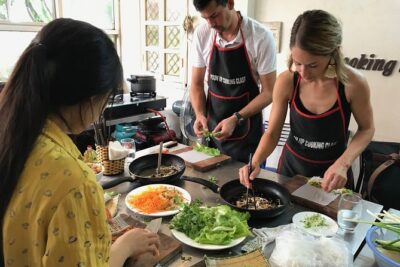
5 Traditional Dishes Hanoi Cooking Class with Market Trip
Read our review →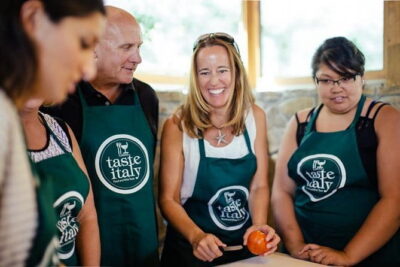
Cooking Class and Lunch at a Tuscan Farmhouse with Local Market Tour from Florence
Read our review →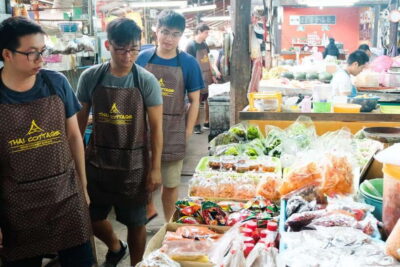
Cooking Class, Market & Thai Herbs Garden Tour
Read our review →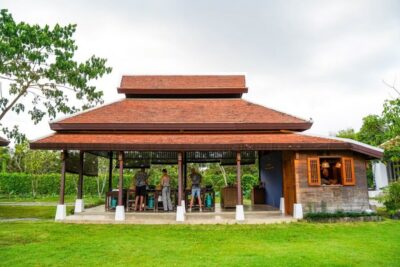
Authentic Cooking Class with Market & Farm Visit
Read our review →
Paella Cooking Experience & Boqueria Market Tour
Read our review →
Cooking Class Hoi An:Local Market, Basket Boat, Fishing & Cooking
Read our review →
Hoi An Cooking Class(Market,BasketBoat Crabfishing&Cooking Class)
Read our review →Browse the lists this tour appears in