
Review · STREET FOOD MARKET TOURS
Mexico City: Hidden Markets, Street Food & Salsa-Making Tour
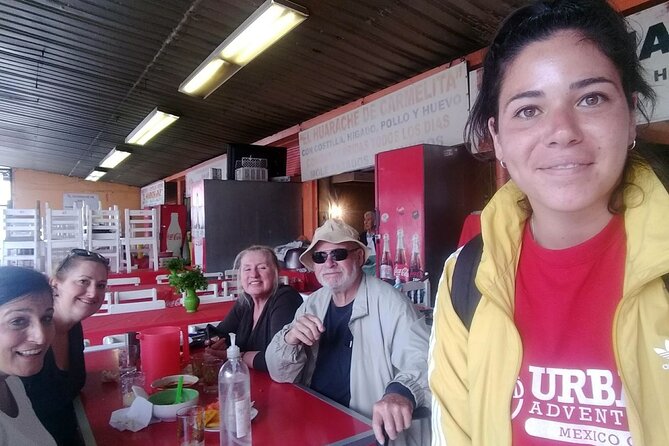
Mexico City’s best food experiences often happen away from the postcard sights, and this tour takes you straight into working markets where people shop, eat, and meet. You’ll see murals linked to students of Diego Rivera, sample tamales and atole, ride the Metro, and finish by making salsa with a local family. It is a generous slice of daily life, not just a parade of restaurant tastings.
I like the way the tour joins food with art and social history, especially at Mercado Presidente Abelardo L. Rodríguez. I also like the practical Metro lesson. Guides such as Andrea, Axel, Viri, Alfonso, and Poncho have helped visitors feel more at ease using public transportation later in their trip. The main drawback is the pace: you walk about 6 kilometers through markets and city streets, and the tour may feel tiring if you are not used to long walks.
Key points
- Murals inside a working market: See artwork connected with Diego Rivera’s students while learning about early 20th-century Mexico City.
- Two very different markets: Abelardo Rodríguez focuses on murals, history, and prepared foods, while Jamaica combines flowers, produce, and food stalls.
- Several small tastings: Expect tamales, atole, tacos, fruit, huaraches, and pineapple tepache, with some food costs possibly extra.
- A real Metro lesson: You ride public transportation with a guide who can explain the basics as you go.
- Hands-on salsa making: Wash, cut, grill, and crush ingredients in a molcajete at a family-run food business.
- Small-group format: The maximum group size is 12, though a quiet booking period may result in a much smaller group.
A morning inside Mexico City’s everyday markets
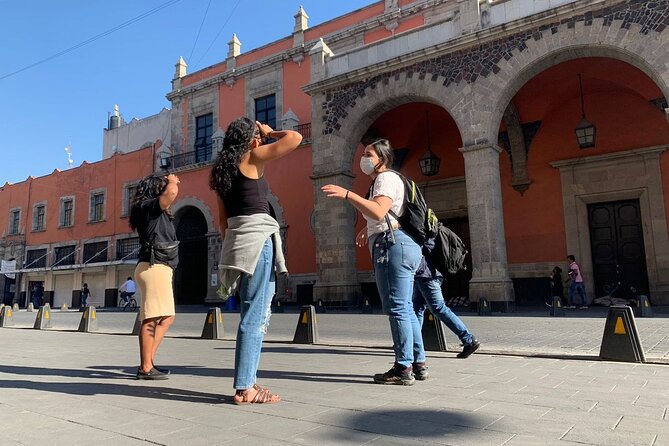
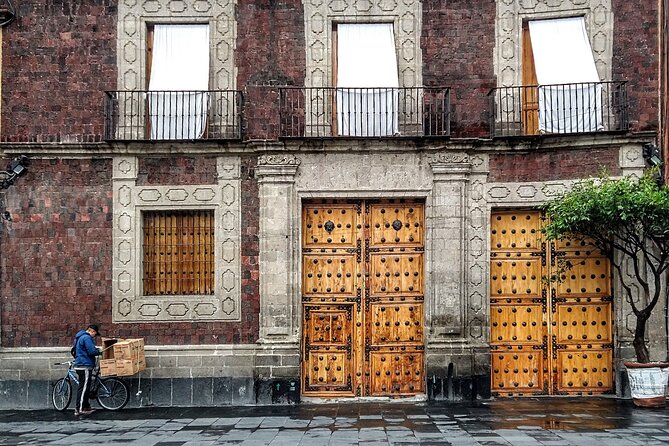
The tour starts at 8:30 a.m. near the Hostel Mundo Joven facade on República de Guatemala in Centro Histórico. From there, your guide leads you toward Mercado Presidente Abelardo L. Rodríguez, identified in the tour details as Mercado Melchor Muzquiz in one place. Confirm the exact market name with the operator if you want to make your own way there, but the key feature is clear: this is the mural-filled market near the historic center.
The market covers about 1,450 square meters and is known for more than food stalls. It includes a daycare and an auditorium, details that show how Mexican markets can function as neighborhood institutions rather than simple shopping halls. Your guide explains the market’s social and political setting in the early 20th century, along with its connection to Mexico City artists Diego Rivera and Frida Kahlo.
The murals are the reason to pay attention here. Some were painted by students of Rivera nearly a century ago, and they are easy to miss if you simply enter to buy breakfast. I would stay close to the guide and allow time for the artwork. The value of this stop is not only visual. You begin to see how food markets, public art, education, and community life have overlapped in Mexico City.
More Street Food Market Tours in Mexico
- Cancun Street Food Tour with Food Stalls, Local Market and Murals
★ 5.0 · 723 reviews - San Jose del Cabo Food Tour & Visit to the Market
★ 5.0 · 159 reviews - Mercado walking food tour
★ 5.0 · 141 reviews
Tamales and atole before the city heats up
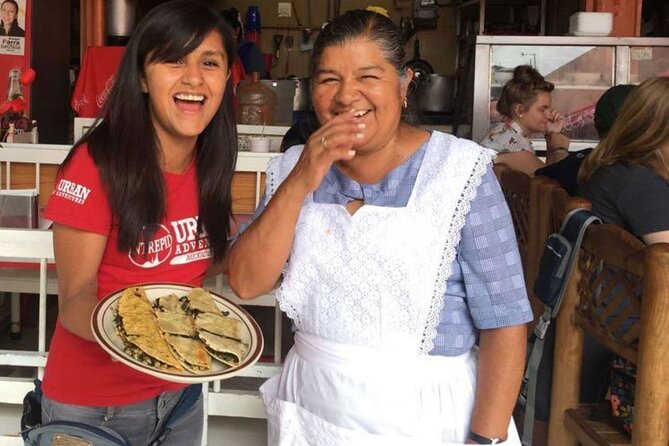
Your first tastings include tamales and atole. Tamales provide a soft, filling start to the morning, while atole is a traditional warm drink made in many styles. The tour information also mentions café de olla in connection with some food stops, so you may encounter that classic coffee drink as well, depending on the day and vendors available.
This is not a formal sit-down breakfast with a fixed menu. It is a chance to try small portions while moving through a market, asking questions, and watching how people buy their food. If you prefer to know every ingredient in advance, speak with the guide before accepting each sample.
The tour can accommodate vegetarian, gluten-free, and lactose-free diets if you give notice at least 24 hours ahead. That is useful, but it does not mean every dish is naturally suitable for every diet. Tamales, sauces, tacos, and drinks can contain different ingredients, so tell the operator clearly when you book.
Riding the Metro to Mercado Jamaica
After the first market, you take the Mexico City Metro toward Mercado Jamaica. This is one of the tour’s most useful features. You are not simply transported in a private vehicle. You learn how to move through the city using the same system that makes many neighborhoods accessible for a low fare.
Guides including Andrea and Alfonso have paid special attention to helping people understand the Metro. That can be reassuring if you are unsure about tickets, platforms, transfers, or the general rhythm of the system. You will still need to stay aware of your belongings, as you would on any crowded public transportation system.
The Metro ride also breaks up the walking. Still, this is not a restful transfer. You will walk between stops, markets, and food businesses, with much of the route through busy city streets. Wear shoes you can comfortably use for several hours and carry water. The tour covers roughly 6 kilometers, which is a serious morning for anyone who expected only a short market stroll.
Three markets in one at Jamaica
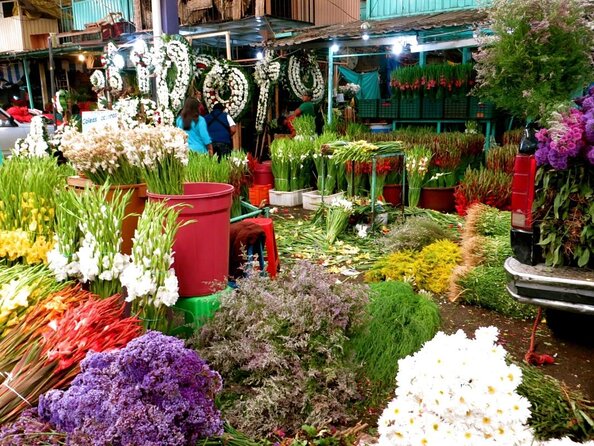
Mercado Jamaica is presented as a three-part market: flowers, fresh produce, and prepared food. The flower section is the visual high point. It is described as the largest flower market in Mexico City, with rows of cut flowers and arrangements in many colors.
One especially fun detail is asking a vendor to choose flowers that match your eye color. It is a small exchange, but it gives you a reason to speak with the seller instead of only photographing the stalls. You can also watch the guide explain the market’s role in local shopping and the way vendors work with seasonal produce.
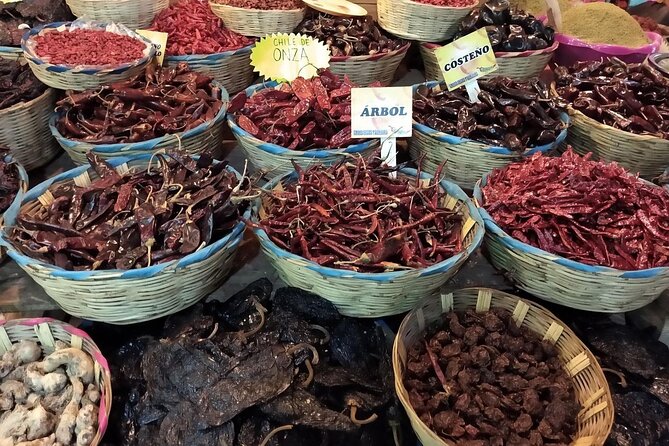
The produce section gives the tour a more practical side. You help buy fresh vegetables for the salsa lesson and hear about local farming practices. This connects the meal at the end with the market itself. You are not just tasting food detached from its source. You are seeing ingredients selected, purchased, and prepared during the same morning.
Jamaica is a working market, not a polished attraction. Stalls may be tight, floors may be uneven, and the number of sights, smells, and conversations can feel like a lot at once. That is part of its appeal, but you should not expect quiet aisles or a slow photographic walk.
Same place, a different set of stalls:
- Frida Kahlo VIP [Museum Tickets Included] Bike, Markets & Churros
★ 5.0 · 1,072 reviews - Frida Kahlo VIP [Museum Tickets Included] Walk, Markets & Churros
★ 5.0 · 982 reviews - Cabo San Lucas Mexican Cooking Class Experience and Local Markets
★ 5.0 · 915 reviews - Cancun Taco Tour, Local Beer and Night Market with Transportation
★ 5.0 · 816 reviews
Street food from atole to tepache
The food stops cover a good range of Mexican staples. You may taste tacos, tamales, huaraches, local fruit, atole, and pineapple tepache. Some food experiences also include café de olla and green chorizo tacos, which several guides have featured during the route.
A huarache is a thick, oval-shaped masa dish that can be topped with beans, meat, cheese, vegetables, and salsa. Here, it also becomes the final partner for the salsa you make yourself. That makes the dish more meaningful than a quick sample. You can taste how the sauce changes the texture and flavor of the masa base.
Tepache, made from pineapple, offers a lighter and often slightly fermented drink option. Atole is warmer and more substantial. Together, these tastings show that Mexican street food is not limited to tacos. Drinks, masa dishes, fruit, and family recipes all matter.
The price is $69.45 per person, which is reasonable if you value the guide, Metro orientation, market access, and hands-on cooking session as one package. It is less of a bargain if you are judging the price only by the amount of food. The inclusion notes say food and drinks are not included unless specified, while the tour description promises tastings. Bring a small amount of cash and confirm which tastings are covered before you go.
Salsa with a family business
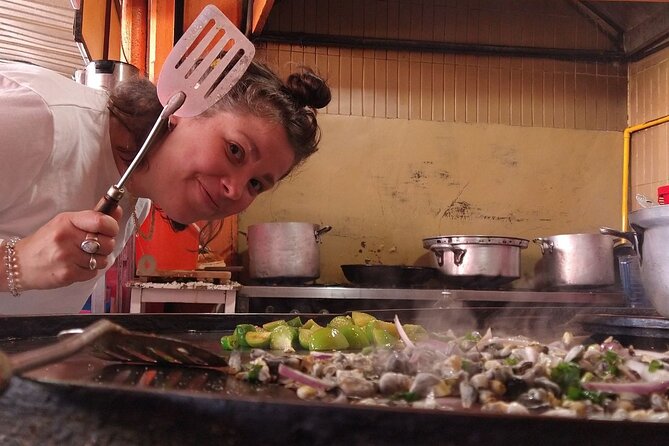
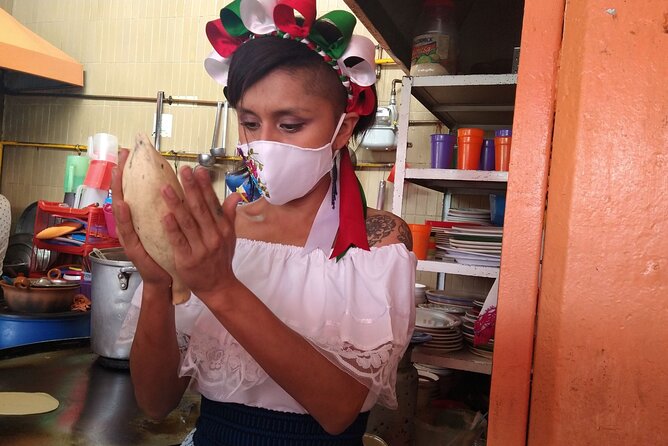
The most personal part of the morning takes place at a local family business with nearly a century of tradition. You use vegetables bought at Jamaica and prepare the salsa in several stages: washing, cutting, grilling, and crushing the ingredients with a molcajete.
A molcajete is a traditional Mexican mortar and pestle, usually made from volcanic stone. Crushing ingredients this way gives you a very different lesson from blending everything in a machine. You feel the texture change as the ingredients break down, and you can adjust the salsa according to your taste.
The hands-on format works well for people who want to do more than watch. You are given patient instruction, and guides such as Viri, Roy, Rogelio, and Poncho have been praised for making the cooking activity comfortable for beginners. The family setting also gives the stop a warm, human quality without turning it into a staged cooking show.
You finish by tasting the salsa with a classic huarache. This is a satisfying close to the food portion because you can connect the ingredients from the market with something you prepared yourself. The salsa may be spicy, so ask about the heat level before adding a large spoonful.
Guides shape the experience
The route has plenty of ingredients for a good morning, but the guide makes the difference. Andrea has been singled out for her strong English and enthusiasm. Axel has been described as warm and closely connected to the local community. Viri has combined market visits with explanations of buildings, murals, food, and Metro travel.
Alfonso, also referred to as Victor in one account, has been praised for mixing art, architecture, culture, and food rather than treating the markets as isolated stops. Poncho has helped families and first-time Metro riders feel comfortable. Adriana has handled special requests and personalized the pace. Roy has taken care with vegetarian needs.
Guide assignments can change, so you should not book expecting one particular person. What you can reasonably expect is an English-speaking local guide working with a small group of no more than 12 people. A smaller group gives you more room to ask questions and makes market movement easier.
Who will enjoy this five-hour route
I would choose this tour early in a Mexico City visit. The Metro lesson can help you get around for the rest of your stay, while the food stops give you a useful introduction to everyday Mexican eating habits. It also suits solo visitors who want company without joining a huge bus group.
Families can enjoy the variety, and one account describes a group ranging from age 8 to 56 managing the day well. Still, children need to be comfortable walking several kilometers, eating unfamiliar foods, and moving through crowded markets.
This is a good match for you if you enjoy:
- Food tastings without needing a formal restaurant setting
- Local markets over major tourist sights
- Public art and city history
- Learning a practical transport skill
- Hands-on cooking
- Small groups and plenty of conversation
It is less suitable if you want a relaxed, seated food tour, a fixed tasting menu, extensive free time for shopping, or minimal walking. The route is active, and the markets can be noisy and crowded.
What to wear and what to carry
Wear long trousers or jeans and a simple T-shirt. Conservative clothing is recommended because the route passes through non-tourist areas. Comfortable walking shoes matter more than stylish clothes.
Bring water, a small camera, and a little spending money. Large professional photography equipment is not suitable. Leave your passport, extra credit cards, and other valuables at your hotel. During the rainy season from May through September, carry a raincoat or umbrella.
The start is in Centro Histórico, and the tour ends at the Palacio de Bellas Artes facade on Avenida Juárez. That ending point is useful for continuing your day in the central area, but the tour itself lasts about five hours, so do not schedule a tight midday appointment immediately afterward.
Should you book this Mexico City market tour?
Book it if you want food, art, history, and public transportation in one morning, especially if you are new to Mexico City. The best parts are the mural-filled first market, the flower and produce halls at Jamaica, and the salsa lesson with a local family.
Skip it if six kilometers of walking sounds excessive or if you want every meal and drink included in one clearly fixed price. Before booking, confirm the food allowance and tell the operator about dietary needs at least 24 hours ahead.
With a 4.8 rating from 310 ratings and a 95 percent recommendation rate, the experience has a strong record, though two serious November 2025 complaints involved a guide failing to arrive after a last-minute cancellation. The operator apologized and said the incident was being reviewed. I would book with free cancellation, verify the meeting details, and contact the provider if you do not receive confirmation. For most active visitors, the combination of markets, Metro practice, and salsa making offers far more local texture than a standard sightseeing walk.
FAQ
Where does the tour start?
It starts at República de Guatemala 4, Centro Histórico de la Ciudad de México, near the Hostel Mundo Joven facade.
What time does the experience begin?
The start time is 8:30 a.m.
Where does the tour finish?
The tour ends at the facade or entrance of Palacio de Bellas Artes on Avenida Juárez.
How long does the tour last?
It lasts approximately five hours.
How much walking is involved?
The route covers about 6 kilometers, or 3.7 miles, through markets and city streets. A moderate level of physical fitness is recommended.
Is transportation included?
The tour includes a ride on the Mexico City Metro as part of the route. You learn to use public transportation with the guide.
Can dietary requirements be accommodated?
Vegetarian, gluten-free, and lactose-free requests can be accommodated if you notify the operator at least 24 hours before the tour.
What is the cancellation policy?
You can cancel for a full refund up to 24 hours before the local start time. Cancellations or changes made less than 24 hours before the start are not accepted for a refund.
More Food and Drink Trips in Mexico
- Mexican Cooking Class with Food Market Visit in Mexico City
★ 5.0 · 506 reviews - Oaxaca: Food and Markets Tour
★ 4.9 · 170 reviews - Food & Markets Tour
★ 5.0 · 148 reviews - Oaxaca Street Food Tour. Signature Markets Tour
★ 5.0 · 102 reviews
Just added around Mexico
- Lucha Libre, Tacos, Margaritas,Tequila and Night Market Tour★ 5.0 · 64 reviews
- Cancun Street Food, Urban Art and Local Market Experience★ 4.0 · 4 reviews
- Experience Cancun’s Hidden Gems, Mayan museum, cenote & Market 23★ 5.0 · 49 reviews
- Taste of Cancun: Street Food, Local Market and Urban Murals Tour★ 5.0 · 6 reviews
- Flavors of Mexico: Cancun Cooking Class & Market Visit★ 4.5 · 5 reviews
- Cancun Taco & Beer Fiesta: Authentic Mexican Tasting Experience★ 5.0 · 3 reviews
- Cancun Private Foodies Market Tour and Street Food★ 5.0 · 3 reviews
- Cancun Walking Food Tour: Local Food, Markets, and Street Art.★ 5.0 · 49 reviews
Street Food Market Tours, compared.
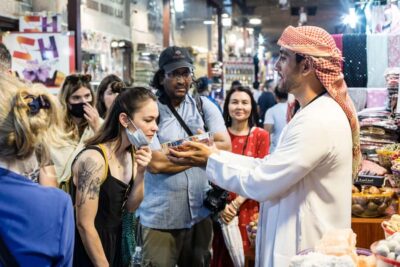
Old Town, Creek, Museums, Souks, & Street Food Tour
Read our review →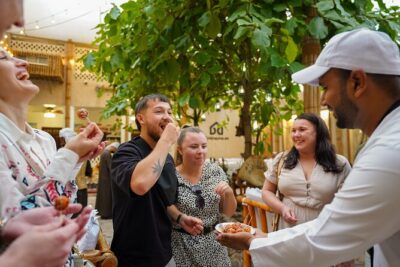
Old Town, Souks, Street Food, Guided Tour & Abra Ride
Read our review →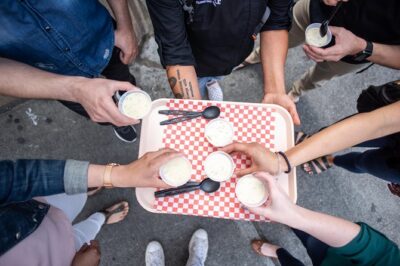
Old Town, Souks, Street Food, Guided Tour & Abra Ride
Read our review →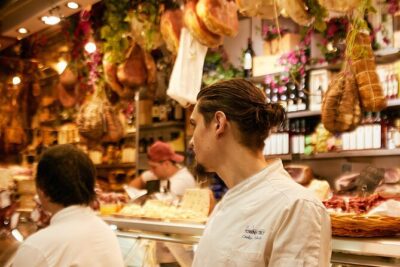
Small Group Cooking Class & Market Food Tour in Florence
Read our review →
Old Town, Street Food, Creek, Souks, & Emirati House
Read our review →
Browse the lists this tour appears in