Review · GRAND BAZAAR & SPICE MARKET TOURS
Agra: Street Food Walking Tour, Spice Market, & Tuk-tuk Ride
Old Agra reveals itself in tight lanes, spice stalls, old religious buildings, and food shops that you could easily miss on your own. This tour gets you beyond the Taj Mahal circuit, with Jama Masjid and Mankameshwar Temple providing a useful look at Agra’s Muslim and Hindu traditions.
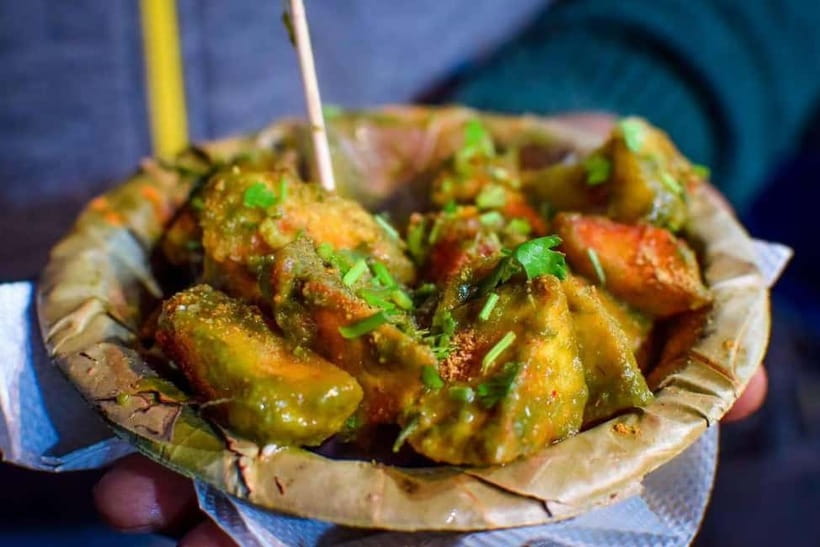
I like the easy hotel pickup and the tuk-tuk ride, which turns the trip between sights into part of the fun. I also like the chance to try several local foods, including aloo tikki, samosa, sweets, and clay-pot chai, with guides such as Farman and Amir helping you order and move safely through the lanes.
The main thing to consider is that this is a short walking-and-snacking tour, not a full sit-down dinner. You may also visit a craft or carpet shop, and some visitors find the sales pitch unwelcome, so be ready to say no if you are not shopping.
What makes this Agra tour worth your time
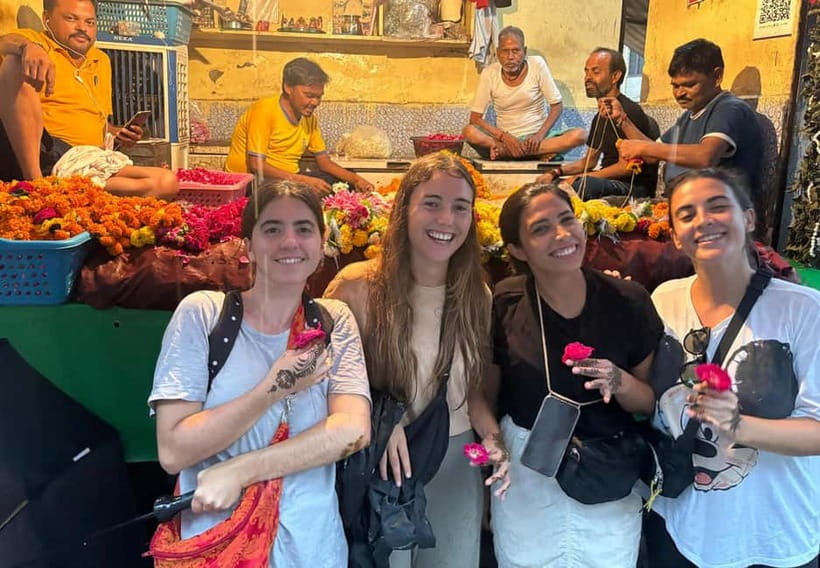
- Old Agra beyond the Taj Mahal: Walk through working market streets where local residents shop for food, clothing, jewelry, and household goods.
- Two important religious sites: See the Mughal architecture of Jama Masjid and the long-standing Hindu worship at Mankameshwar Temple.
- A practical food introduction: Sample several small portions instead of committing to one unfamiliar meal.
- A tuk-tuk ride with hotel service: Pickup and return make this easier to fit around a Taj Mahal visit or train arrival.
- Seasonal treats: Winter visitors may find warm gajar ka halwa, while other stops can include barfi, sheermal, bhalla, chai, and savory snacks.
- Flexible local guidance: Farman and Amir are frequently assigned guides, and both are praised for clear English, local knowledge, and careful attention in traffic.
Old Agra begins with a tuk-tuk ride
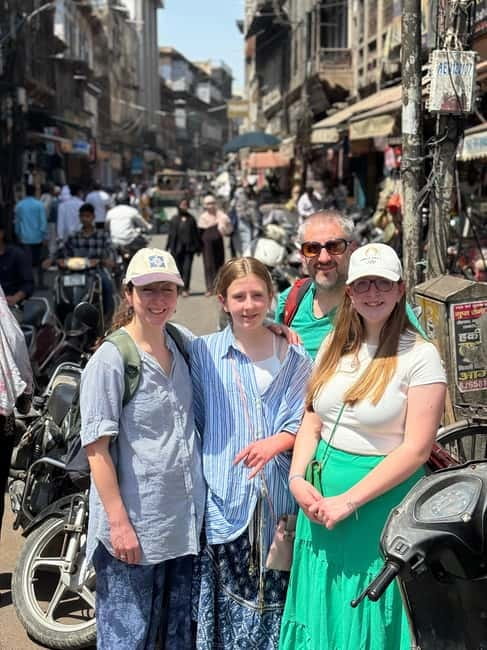
The tour starts with pickup at your hotel, railway station, or another agreed location in Agra. A tuk-tuk takes you toward the old city, with the ride lasting about 15 minutes each way. Traffic can be hectic, and that is part of the experience, though it may feel exciting rather than relaxing.
The vehicle is used for transport, not for the whole tour. Plan on about 90 minutes of walking, with the rest split between tuk-tuk travel, sightseeing, food stops, and visits to local craft shops. Wear shoes that can handle uneven streets and clothes that keep your knees and shoulders covered.
That dress rule matters. You will enter a mosque and a temple, so modest clothing is not just a comfort tip. It is a sign of respect and may make entry easier.
The usual timing is 2 p.m. to 4 p.m. in winter and 4 p.m. to 6 p.m. in summer. This gives you a cooler part of the day, though exact start times depend on availability. The late afternoon and evening setting also brings out the shop lights and street activity.
More Market Walking Tours in India
- Private Heritage Walking Tour in Jaisalmer Fort and Old Bazaar
★ 5.0 · 306 reviews - Jaipur Bazaar & Food Walking Tour
★ 5.0 · 281 reviews - Old Delhi: Spices, Heritage and Bazaars Walking Tour
★ 5.0 · 173 reviews
Jama Masjid and the Mughal center of Agra
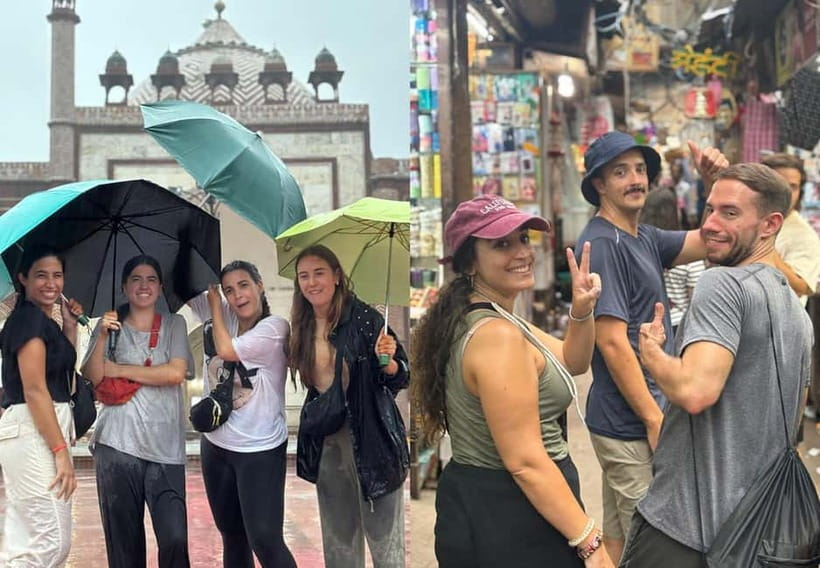
Your first major stop is Jama Masjid, a large mosque near the market area. The tour allows around 30 minutes for a visit, photographs, and an explanation of the building’s design and place in Agra’s past.
The value here is not simply seeing another monument. Jama Masjid anchors the old commercial quarter, so the building helps you understand the streets around it. After a few minutes inside or nearby, you can better read the relationship between worship, trade, and daily life in this part of town.
You should expect a working religious site rather than a quiet museum. Dress modestly, follow local instructions, and keep your photography respectful. Your guide can explain the architecture and customs, which is especially helpful if this is your first visit to an Indian mosque.
The stop is relatively short. If you want an extended architectural study or a long period for photographs, this tour may feel brisk. Its purpose is to give you context before leading you into the lanes, not to replace a dedicated monument tour.
Mankameshwar Temple and local faith
A short walk takes you to Shri Mankameshwar Mandir, an old Shiva temple. The tour describes it as a temple with a very long local tradition, and the stop gives you a direct look at Hindu worship in the middle of the old city.
This is one of the more useful parts of the route because the mosque and temple appear close together in the same walk. You are not being shown Agra as a single story. You are seeing different faiths, customs, buildings, and communities sharing the same dense urban center.
Temple visits can involve footwear and other local customs, so follow your guide’s lead. The space may feel crowded and active rather than formal or silent. That is exactly why a guide helps. Farman and Amir are both praised for explaining local traditions while keeping the walk comfortable for solo visitors and families.
Again, allow about 30 minutes. The temple is a cultural stop within a market walk, not a long religious lecture. If you have a serious interest in Hindu ritual or temple architecture, ask your guide questions while you are there.
Seth Gali turns the walk into a meal
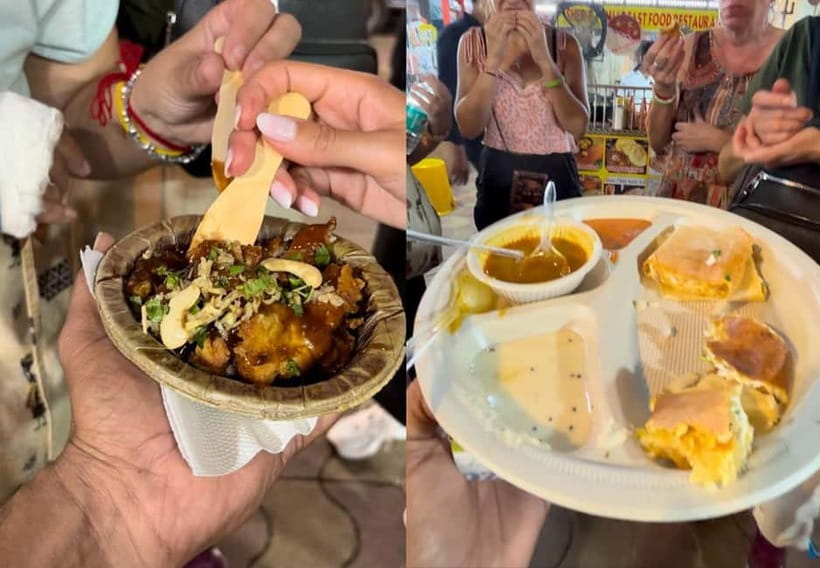
Seth Gali is where the food portion becomes more serious. Expect small tastes from local stalls and shops, with possible choices including samosa, dosa, chole bhature, aloo tikki, pani tikki, sweets, and masala tea served in a clay cup.
The exact menu can change. Some visitors have tried bhalla with curry, barfi, chom chom, chlokari, sheermal, biryani, and other regional snacks. Winter can bring gajar ka halwa, a warm carrot dessert that is seasonal rather than available year-round.
This is a good format for cautious eaters. You can try several foods in modest portions, then tell your guide what you like or cannot eat. A vegetarian choice is possible, and one family used the tour successfully with a 10-year-old who enjoyed the food and market walk.
Do not expect a restaurant-style tasting menu. You may eat standing up, beside a stall, or in a narrow lane. The surroundings are part of the point, but anyone who needs polished seating, quiet, or strict control over preparation may prefer a regular restaurant.
Food safety is also a personal matter. The tour is designed to introduce you to local stalls, and many people enjoy the freshness and variety. If you have a sensitive stomach, tell your guide before ordering and choose cautiously. The guide can help you avoid foods you do not want, but no street-food tour can remove every risk.
More Spice Market and Bazaar Tours in India
- Old Delhi Food-Spice Market-Temples Tour Soon Featured on NETFLIX
★ 5.0 · 304 reviews - Old Delhi Odyssey: A Tour of Religion, Spice Market, & Best Food
★ 5.0 · 284 reviews - Old Delhi & Spice Market Tour
★ 5.0 · 98 reviews - Delhi: Old Delhi & Spice Market Tour
★ 4.8 · 45 reviews
Rawatpara Road and Agra’s spice market
Rawatpara is known for spices, and the stop adds smell and color to the food story. You will see shops handling the ingredients that shape many Indian dishes, from everyday cooking staples to blends used in local snacks and meals.
The market is not a staged attraction. It is a working part of Agra, and the narrow streets can feel crowded, noisy, and confusing. That is where the guide earns the fee. Several people who explored the area with Farman or Amir appreciated having someone lead them through the maze and explain what they were seeing.
You can browse spices, tea, sweets, and other local goods. If you buy something, pack it carefully for the rest of your trip. Ask about prices before purchasing, and remember that you are free to look without buying.
The tour may also include a craft demonstration or a shop featuring marble work, embroidery, jewelry, rugs, or textiles. These visits can be interesting, especially if you want to understand how local handicrafts are made. They can also become sales stops. One useful rule is simple: enjoy the demonstration, ask questions, and only buy if you genuinely want the item.
Kinari Bazaar, jewelry, textiles, and crowded lanes
Kinari Bazaar is one of the most colorful sections of the route. Its shops sell traditional jewelry, textiles, embroidery, decorations, and handicrafts. You will walk rather than cruise through it, which gives you time to notice the small details of shop displays and street life.
This is not a relaxed shopping mall. The lanes can be tight, traffic may squeeze past, and pedestrians share the space with vehicles. Your guide helps you cross streets and stay together. Solo women have found the guided walk reassuring, and several people appreciated the way guides kept an eye on traffic and unwanted approaches.
Kinari Bazaar also gives you a chance to shop with purpose. Tell your guide what you need, such as spices, sweets, tea, jewelry, or souvenirs. A guide may suggest a shop, but keep your budget and expectations clear. Bargaining may be part of the process, but there is no need to buy simply because you were shown a workshop.
If shopping is not your goal, treat this section as a street-life walk. You will see a side of Agra that the main monument zone cannot provide. It is a useful contrast to the polished approach around the Taj Mahal.
How much food do you actually get?
The answer depends on the food option you select and the stops made that day. The advertised choices include several snacks, sweets, tea, and regional dishes, and some people found the portions enough for dinner. Others considered it a snack-based food tour rather than a complete meal.
I would plan a light meal before or after unless you are comfortable eating several small portions. The tour may include dosa, samosa, aloo tikki, pani tikki, chole bhature, sweets, and chai, but there is no fixed promise that every item will appear.
Drinks are not included, and the included food applies only if you choose the food option. Ask at booking which version you are selecting. This matters because the lower-cost option may suit you better if you prefer choosing and paying for food as you go.
Price, duration, and practical value
At $14 per person, this is inexpensive for a private local guide, tuk-tuk transfers, hotel pickup and return, and food when that option is selected. You are not paying only for transportation. You are paying for help with navigation, translation, local context, and access to streets that can be hard to understand on a first visit.
The strongest value comes if you have already seen, or plan to see, the Taj Mahal and want a different view of Agra. It also works well on an arrival afternoon, since pickup can be arranged from a railway station or hotel.
The two to three hour length is easy to fit into a busy schedule. The tradeoff is limited depth. You will get an introduction to several places rather than a long visit at any one site. Monument entrance tickets are not included, though the listed stops are mainly visits and guided walks rather than a series of paid attractions.
Guides usually speak English or Spanish. Farman and Amir are the names most often associated with this experience, and both are praised for friendly conversation, clear explanations, and care in traffic. Guide assignments can vary, so do not assume you will receive a particular person unless the provider confirms it.
Who should book this walk?
Book it if you want to see daily Agra rather than spend every hour around the Taj Mahal. It suits first-time visitors, solo tourists, couples, families with older children, and anyone who wants help handling the old city’s maze of lanes.
It is also a good first-evening activity. You can learn where markets are, sample local foods, and ask your guide about shopping or onward transport. Several guides have helped visitors find souvenirs or arrange practical next steps after the tour.
You may want another plan if you dislike crowded streets, uneven walking, religious-site customs, or food served from small local stalls. Pregnant people and those with pre-existing medical conditions are listed as unsuitable for this activity. The tuk-tuk ride and road crossings may also be uncomfortable if you want a calm, slow-paced outing.
Allow extra time if you become interested in shopping or craft work. The formal schedule gives each main stop about 30 minutes, but local conversations and browsing can affect the pace.
Should you book the Agra street food tour?
I would book this as a companion to the Taj Mahal, not as a replacement for Agra’s major monuments. Its best features are the old-city walking route, the mix of mosque, temple, market, and spice stalls, and the practical support of a local guide.
Choose the food-inclusive option if you want several tastings without deciding where to eat. Choose the cheaper option if you prefer to buy only what appeals to you. Either way, arrive in modest clothing, wear good shoes, and keep an open mind about noise, traffic, and simple food settings.
If you can accept those conditions, $14 buys an unusually direct introduction to Agra’s working streets. Just remember that the tour may include a craft shop, and you are never required to purchase anything.
FAQ
How long does the Agra street food tour last?
The tour lasts about two to three hours, including tuk-tuk transfers, walking, sightseeing, food tastings, and market visits.
Where does pickup take place?
Pickup is available from hotels, railway stations, or another agreed location in Agra.
Is hotel drop-off included?
Yes. The tuk-tuk returns you to your original departure point at the end of the tour.
Which languages are available?
The tour is offered with live guides speaking English or Spanish.
What food might I try?
Possible tastings include samosa, dosa, chole bhature, aloo tikki, pani tikki, sweets, masala tea, bhalla, barfi, sheermal, and other local snacks. The exact selection can vary.
Is the food included in the price?
Street food snacks and sweets are included if you select the food option. Drinks are not included.
Will I visit religious sites?
Yes. The route includes Jama Masjid and Shri Mankameshwar Mandir.
What should I wear?
Wear comfortable clothes and shoes. Your clothing should cover your knees and shoulders because you will visit a mosque and a temple.
Are monument entrance tickets included?
No. Monument entrance tickets are not included.
Can I cancel the booking?
You can cancel up to 24 hours in advance for a full refund. The reserve-now, pay-later option allows you to keep your plans flexible.
More Bike and Tuk-Tuk Market Tours in India
- Jaipur Tuk-Tuk Tour with Flower Market Visit
★ 5.0 · 124 reviews - Jaipur Tour by Tuk-Tuk or Car with Flower Market
★ 5.0 · 120 reviews - Agra: Sadar Bazar Food Market Night Walking Tour by Tuk-Tuk
★ 4.9 · 25 reviews - Agra: Street Food Tour with Spice Market on Tuk-Tuk Ride
★ 4.7 · 23 reviews
More Street Food Market Tours in India
- Mumbai: Street Food and Night Markets Tour
★ 4.9 · 719 reviews - Mumbai Street Food & Night Markets
★ 5.0 · 225 reviews - Mumbai Street Food and Evening Bazaar Tour
★ 5.0 · 172 reviews - Mumbai Street Food Tour with Evening Bazaar Walk
★ 4.9 · 79 reviews
Just added around India
- Bangalore: Walk in Historic Ulsoor – Landmarks, Bazaar & Culture★ 5.0 · 9 reviews
- Experience Bangalore Evening City Walk Tour and Market Visit★ 5.0 · 9 reviews
- Shopping and Bazaar Trail in Bangalore★ 4.5 · 5 reviews
- Old Bangalore Historical Walk thro Palace, Temples, Fort & Market★ 5.0 · 60 reviews
- KR Market Photo Walk★ 5.0 · 12 reviews
- Lalbagh+Bull Temple+Tipu Palace+Market+Lunch=Bangalore City Tour★ 5.0 · 9 reviews
- Bangalore Evening Food Street Walk and Market Visit★ 5.0 · 32 reviews
- Private Walking Tour into the Oldest Local Market in Bengaluru★ 5.0 · 5 reviews
Grand Bazaar & Spice Market Tours, compared.
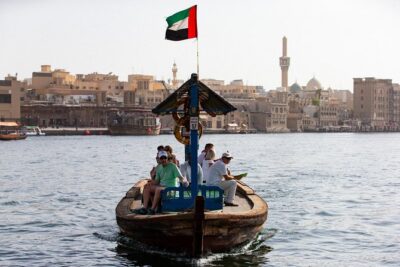
Dubai Half-Day City Tour with Visit to Dubai Gold Souk
Read our review →
Local Markets & Khan el Khalili Private Shopping Tour
Read our review →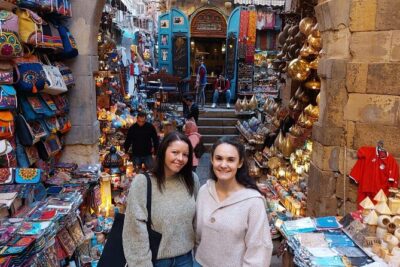
Cairo VIP Guided Tour to Khan El-Khalili Market with Lunch
Read our review →
Istanbul Grand Bazaar: From Rooftops to the Secret Passages
Read our review →
Old Delhi Food-Spice Market-Temples Tour Soon Featured on NETFLIX
Read our review →Old Delhi Odyssey: A Tour of Religion, Spice Market, & Best Food
Read our review →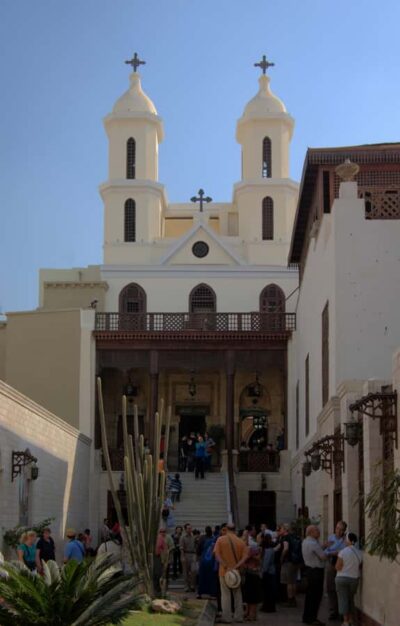
Old Cairo and Khan El Khalili Bazaar: Private Half-Day Tour
Read our review →