
Review · DUBAI MARKET TOURS
Dubai Aladdin Tour: Souks, Creek, Old Dubai and Tastings
Dubai’s glass towers tell only half the story. This three-hour walk takes you through Al Fahidi, the creek, and Deira’s souks, where old wind towers, wooden boats, spices, textiles, and gold shops offer a clearer picture of how Dubai grew from a trading port. You’ll also cross the creek by abra, the small wooden water taxi that remains one of the city’s most enjoyable short rides.
I like two things right away: the route is sensibly planned, and the guide adds useful context while you walk. You get practical advice on bargaining, help with the souks, and stops for Arabic coffee, tea, dates, chocolate, juices, and street food. Guides named Hamza, Hamsa, and Seef have earned especially warm praise for humor and clear explanations.
The main consideration is the food portion. Some people receive several small samples and a satisfying street-food meal, while others find the tastings closer to shawarma, a smoothie, or a few snacks than a full food tour. Summer heat is another factor, though the route includes shade and air-conditioned stops.
Key points to know before you book
- The route crosses two sides of Dubai Creek: You begin around Al Seef and Bur Dubai, then take an abra to Deira’s Spice and Gold Souks.
- A guide makes the souks easier: You get advice on prices, bargaining, saffron, textiles, spices, and when to simply enjoy looking.
- The history comes through places, not just lectures: Al Fahidi’s lanes, wind towers, Al Fahidi Fort, and the creek show how old Dubai worked.
- Tastings are included: Expect some mix of tea, coffee, dates, chocolate, juices, spices, and street food, but the exact menu can vary.
- The group is capped at 15: That is small enough for questions and a more personal pace.
- The finish is convenient: The tour ends at the Gold Souk in Deira, with a metro station or taxi stop available nearby.
Why this route explains Dubai better than a modern city tour
Dubai can feel like a city built for wide roads, air-conditioned malls, and spectacular new architecture. That side is real, but it can leave you with little sense of what came before. This tour puts you in the older districts, where the creek still gives the city its shape and the markets still trade in familiar goods.
I like the balance. You are not asked to spend three hours inside one museum or follow a long lecture. Instead, you move from a reconstructed heritage district to old lanes, a fort, a textile market, a wooden boat, and spice stalls. Each stop adds one more piece to the story.
The tour costs about $21 per person, which is strong value if you want orientation, local context, transport between the two sides of the creek, and several tastings in one outing. You would spend less on a self-guided walk, but you would also need to plan the route, identify the best lanes, learn how the abra works, and handle the souk sales pitch alone.
The group limit of 15 matters. A large group can make narrow lanes and market stops tiring. This size should give you a reasonable chance to hear the guide and ask questions, though the experience will still depend on the guide leading your departure. Hamza, Hamsa, and Seef are names that appear repeatedly in especially positive comments, with humor, organization, cultural explanations, and market advice mentioned as strong points.
A few more market tours around Dubai worth a look
- Dubai: Old Town, Creek, Museums, Souks, & Street Food Tour
★ 4.8 · 10,816 reviews - Dubai: Old Town, Souks, Street Food, Guided Tour & Abra Ride
★ 4.9 · 7,170 reviews - Dubai: Frame Tickets, Creek, Souks & Blue Mosque Guided Tour
★ 4.8 · 5,980 reviews
Starting at Al Seef beside Dubai Creek
The usual meeting point is Al Seef Heritage Hotel by Dubai Creek. This is a useful place to begin because Al Seef gives you an immediate introduction to Dubai’s approach to heritage.
Al Seef is a modern, purpose-built district designed to resemble old Dubai. Its lanes, facades, and creekside setting make it attractive for photos, but you should understand what you are seeing: this is a reconstructed heritage area, not an untouched old neighborhood. That does not make it worthless. It gives you an easy visual introduction before the walk moves into older quarters.
You’ll have around 30 minutes here. Use it to look at the contrast between traditional-looking buildings and the creek traffic beyond them. The area also has food outlets, so it can be a pleasant place to meet, especially if you arrive early.
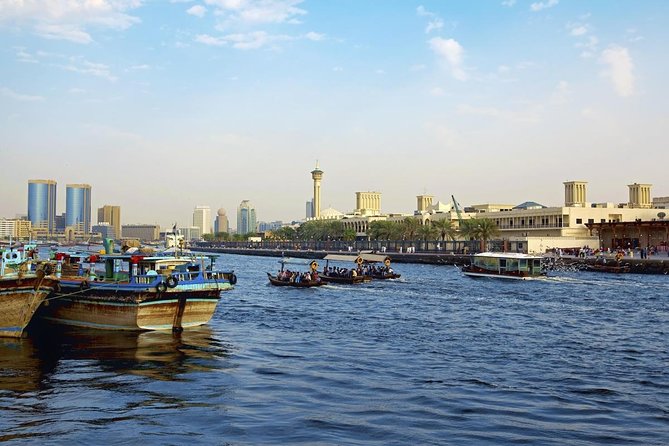
From Al Seef, the route follows the creek for roughly 15 minutes. The waterway is more than a photo stop. It is the reason Bur Dubai and Deira developed as trading centers, and the view helps you understand the relationship between the two districts.
Walking the lanes of Al Fahidi
The Al Fahidi Historical Neighborhood is the strongest part of the walking route for many people. Its narrow lanes and traditional houses offer a calmer experience than Dubai’s newer districts. You’ll see wind towers, which were designed to catch air and help cool buildings before modern air conditioning.
The walk includes time in the Al Fahidi area at more than one point, with about 20 minutes in one section and another 15-minute visit. That may sound repetitive on paper, but the neighborhood is best taken slowly. Small galleries, cultural spaces, courtyards, and shaded passages reward a little wandering.
Your guide’s role is important here. Without context, the wind towers can look like decorative towers built for atmosphere. With an explanation of their use, the buildings become evidence of how people adapted to heat. You also get a sense of the close quarters of old Dubai, a sharp contrast to the spacious roads and towers elsewhere in the city.
There is a stop described as the World of Illusions, mainly for unusual photos. I would treat this as a light, picture-friendly pause rather than a major historical sight. It can break up the walking and give you a few playful images, but the real value of this section remains the neighborhood itself.
Al Fahidi Fort and Dubai Museum
The Dubai Museum is set inside Al Fahidi Fort, described as Dubai’s oldest building, dating from the 1780s. The fort was built for defense, so the stop adds a military and civic layer to the story of the city.
You have about 30 minutes here. That is enough for a focused visit, but not a long museum session. The appeal is less about seeing a vast collection and more about connecting the fort’s age with Dubai’s fast change. The contrast between a fortified structure and the modern skyline makes the point clearly.
I would keep expectations measured. One person may find the museum only moderately engaging, while another may appreciate the chance to see old Dubai explained in one place. The guide’s narration helps give the stop meaning, especially if you want to understand the shift from a small trading settlement to a global city.
Same place, a different set of stalls:
- Dubai: Half-Day City Tour with Blue Mosque, Creek, and Souks
★ 4.8 · 3,059 reviews - Dubai Half-Day City Tour with Visit to Dubai Gold Souk
★ 4.0 · 1,741 reviews - Dubai: Old Town, Souks, Street Food, Guided Tour & Abra Ride
★ 5.0 · 1,664 reviews - Dubai: Old Town, Street Food, Creek, Souks, & Emirati House
★ 4.9 · 1,496 reviews
Learning how the Old Souk works
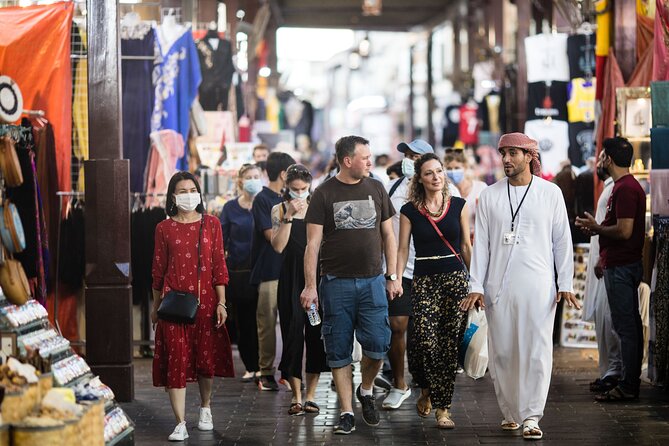
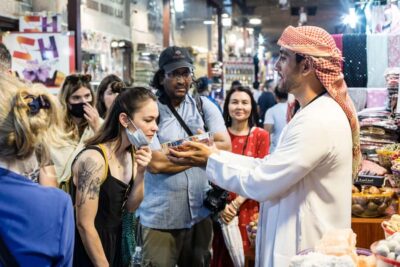
The Old Souk is where the tour becomes practical. You’ll have about 30 minutes to browse textiles, shawls, local snacks, and other goods while your guide explains how to approach bargaining.
This is not a quiet artisan market where every stall sells a one-off handmade object. You may see similar products in several shops, and the sales approach can be energetic. That is part of the experience, but it can also be tiring if you dislike persistent attention.
The best advice is to treat the souk as a place to compare, ask questions, and enjoy the atmosphere before buying. Your guide can suggest reasonable prices and help you understand when a deal is worth pursuing. The guidance is useful, but it does not remove the need for judgment. If a seller tells you a product is rare or made especially for you, pause and compare before paying.
Some people have felt that a few shop visits seemed more focused on selling than on stories. That is a fair concern. The tour works best when you see shopping as one element of the route rather than its central purpose.
Crossing the creek by abra
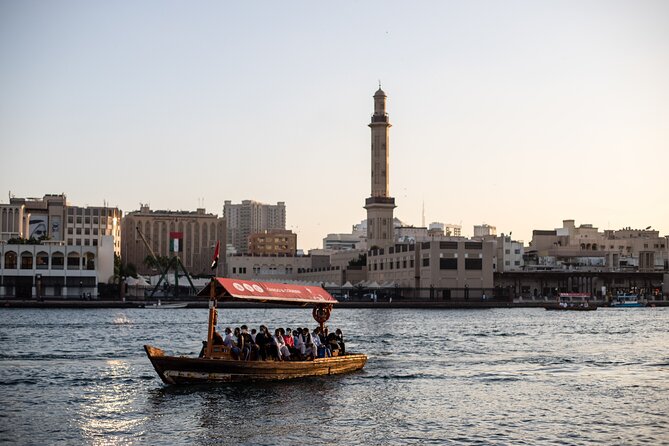
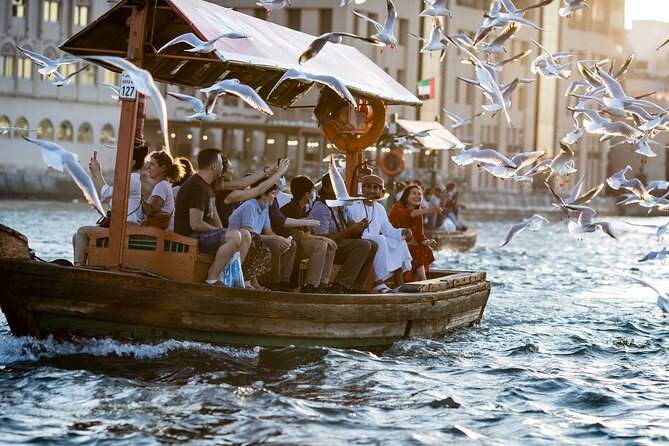
The abra ride is short, only about five minutes, but it is one of the most memorable parts of the outing. Your group crosses from Bur Dubai to Deira in a traditional wooden water taxi, with the engine’s gentle hum and the sounds of the creek around you.
This is public transport with a sightseeing bonus, not a luxury cruise. The short crossing gives you a better sense of the creek’s everyday use and connects the two halves of the tour without a road transfer.
The group receives a private abra for the crossing according to the tour details. That makes the ride easier to enjoy and keeps the group together. Hold on to your phone and camera, especially if you are taking photos near the edge.
Spices, food, and the Deira markets
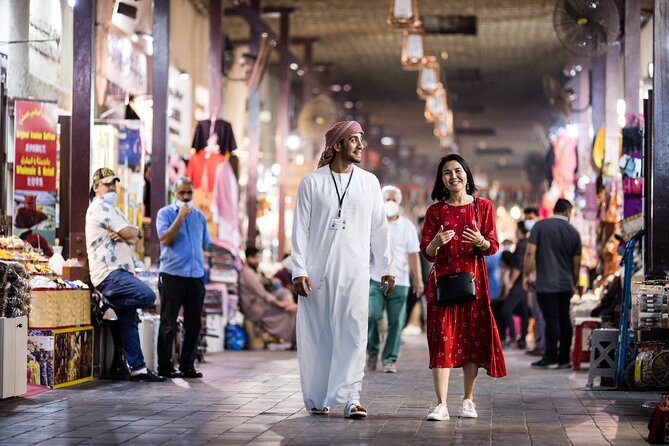
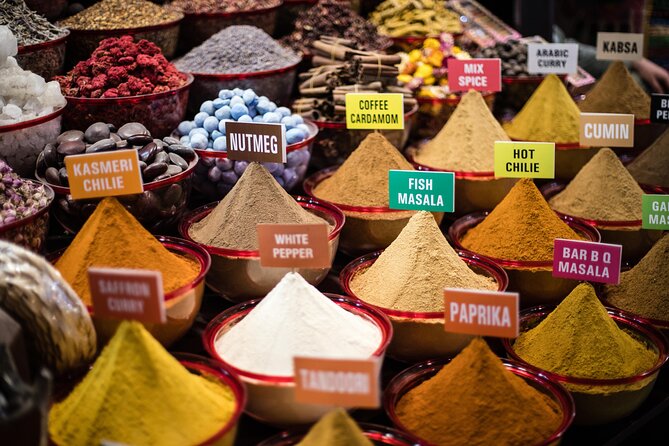
After the abra, you reach the Deira Old Souk area, with about 10 minutes to get oriented before spending around 30 minutes in the Spice Souk. This is a good point in the route because the sights, smells, and sales style change noticeably from the textile market in Bur Dubai.
The guide helps you look at the spices without feeling pressured by every merchant. You might see saffron, dried goods, blended spices, and other products used in regional cooking. If you plan to buy saffron, listen carefully to the price advice and compare quality rather than accepting the first offer.
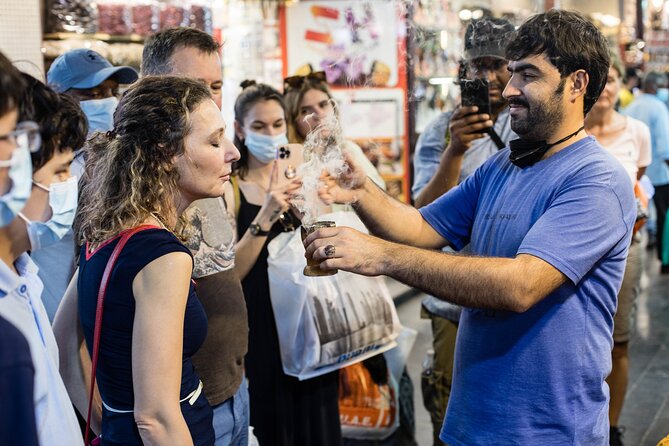
The food element is spread through the walk. The listed tastings include tea, Arabic coffee, dates, chocolate, and street food, with some outings also providing juices or a more substantial street-food meal. Vegetarian options have been available on at least some departures.
This is the one part I would treat with flexibility. The experience is not a formal cooking class, and you should not expect a long sequence of carefully explained regional dishes. The tastings may be generous and varied on one departure, then simpler on another. If food education is your main reason for booking, you may find the menu less detailed than expected.
Still, tasting something while standing among the spice stalls can be more useful than eating a full meal in an isolated restaurant. You can connect the smell of the market with the flavors in front of you. The guide may also explain what you are sampling and how it fits into local habits.
Ending at the Gold Souk
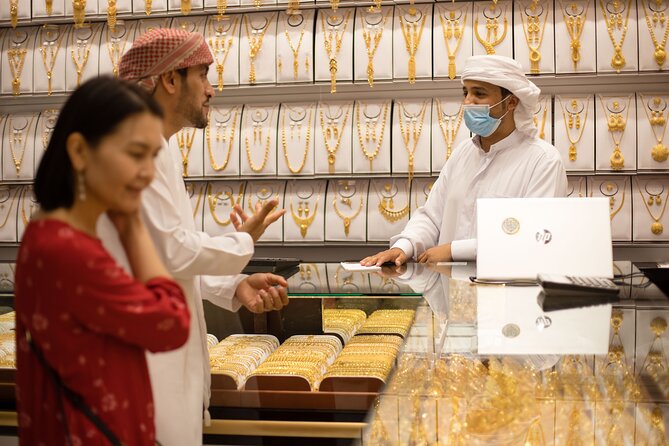
The route finishes at the Gold Souk in Deira. This is a practical ending because you can continue exploring on your own, shop for jewelry, or leave by metro or taxi.
You do not need to buy anything to enjoy the market. The number of shops and the amount of gold on display make it a strong final photo stop, even if your budget is closer to $21 than to the price of a large necklace.
The Gold Souk is also a good place to apply the market skills from earlier. Ask questions, compare designs, and remember that browsing is perfectly acceptable. If you do buy, confirm the price, weight, and details of the item before completing the purchase.
Heat, walking, and pickup details
The tour lasts about three hours, but it is an active three hours. You’ll walk through open areas, narrow lanes, markets, and creekside paths. Dubai heat can make the route feel longer, especially in the warmer months.
Wear light clothing suited to the local setting, comfortable shoes, and sun protection. Water is provided, but I would carry a reusable bottle as well. The route includes shaded areas and air-conditioned stops, yet you should not expect to stay cool for the entire walk.
The listed meeting point is Al Seef Heritage Hotel Dubai by Dubai Creek, and the scheduled end is the Gold Souk in Deira. Pickup is offered, but some bookings treat hotel pickup and drop-off as an extra option rather than part of the basic price. Check your booking details carefully so you know if you should travel to Al Seef yourself.
The tour is near public transportation, and the guide can drop you at a metro station or taxi stop at the end. Confirmation is sent at booking. Free cancellation is available until 24 hours before the start time. Inside that period, changes and refunds are not accepted, and poor weather or too few bookings can lead to a rescheduled tour or full refund.
Who will get the most from this Old Dubai walk
I would choose this tour for a first visit to Dubai, especially if you want to see the older districts without spending hours planning a route. Families can benefit from the short boat ride, tastings, photo stops, and clear structure. The guides have also been praised for keeping children engaged.
It suits couples who want a mix of culture, food, photos, and shopping rather than a formal museum visit. It is also useful for a short stopover, since the route covers both sides of the creek in one compact outing.
I would hesitate if you want a quiet, specialized food tour or dislike market sellers. The food may not be as varied as the title suggests, and the souks are commercial places. You should also think twice if hot-weather walking is difficult.
Should you book the Dubai Aladdin Tour?
At $21, this is an appealing introduction to Old Dubai. I like the route because it combines Al Fahidi’s architecture, the creek, Al Fahidi Fort, the Old Souk, an abra ride, and the Spice and Gold Souks without asking you to organize the details yourself.
Book it if you want an efficient first look at traditional Dubai, practical bargaining help, and a guide who can add humor and cultural context. Guides such as Hamza, Hamsa, and Seef have been especially well regarded for making the history easy to follow.
Book with realistic expectations about the food. Think snacks and tastings woven into a walking tour, not a full culinary course. If that sounds right, this is one of the better-value ways to meet Dubai’s older side.
FAQ
How long is the Dubai Aladdin Tour?
The tour lasts approximately three hours.
What is the maximum group size?
The group can include a maximum of 15 people.
Where does the tour start?
The listed meeting point is Al Seef Heritage Hotel Dubai, Curio Collection by Hilton, beside Dubai Creek on Al Seef Street.
Where does the tour finish?
The tour ends at the Dubai Gold Souk in Deira. A metro station or taxi stop can be arranged at the end.
Is the abra ride included?
Yes. The itinerary includes a short crossing of Dubai Creek by private abra for the group.
What food and drink tastings are included?
The tastings can include tea, Arabic coffee, dates, chocolate, street food, juices, and spices. The exact selection can vary by departure.
Can I cancel for a full refund?
Yes, if you cancel at least 24 hours before the experience begins. Cancellations or changes made less than 24 hours before the start time are not refunded.
Just added around Dubai
- Walking Tour in Dubai. Souks, museums, Local Food Testing★ 5.0 · 11 reviews
- Old Dubai Heritage Tour: Souks, Mosques & more hidden gems!★ 4.3 · 72 reviews
- Old Dubai Guided Tour With Photographer: Souks & Street Food★ 4.9 · 74 reviews
- Dubai Tour: Haritage Walking Guide, Gold & Spice Souq, Creek★ 4.5 · 11 reviews
- Dubai: Discover Dubai Old Town, Souks, Museum & Street Food★ 4.9 · 25 reviews
- Dubai:Private Frame Entry, Mosque, Souks, Tastings& transfer★ 4.8 · 9 reviews
- Dubai: Guided City Walking Tour to Spice and Gold Souk★ 5.0 · 3 reviews
- Dubai Food Tour: 4 Cuisines, Souks & Street Bites★ 3.0 · 3 reviews
Dubai Market Tours, compared.
Old Town, Creek, Museums, Souks, & Street Food Tour
Read our review →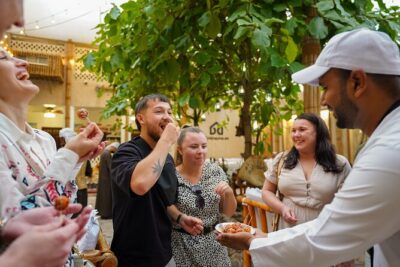
Old Town, Souks, Street Food, Guided Tour & Abra Ride
Read our review →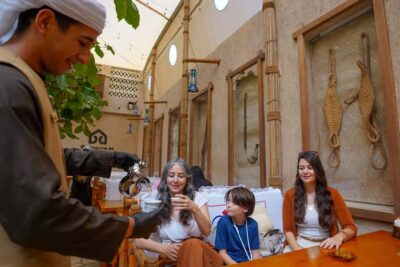
Half-Day City Tour with Blue Mosque, Creek, and Souks
Read our review →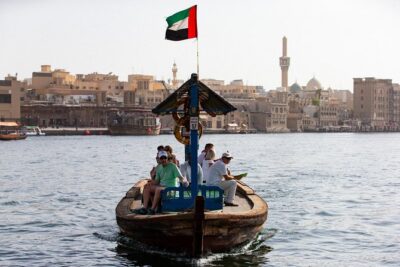
Dubai Half-Day City Tour with Visit to Dubai Gold Souk
Read our review →Old Town, Souks, Street Food, Guided Tour & Abra Ride
Read our review →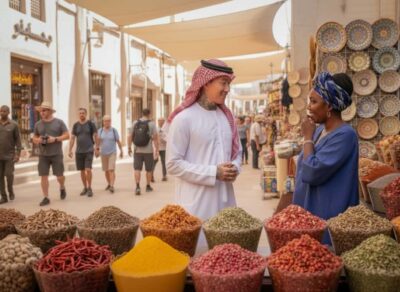
Old Town, Street Food, Creek, Souks, & Emirati House
Read our review →
Dubai City Tour: Old & New Dubai Abra Ride, Palm Island, Souks
Read our review →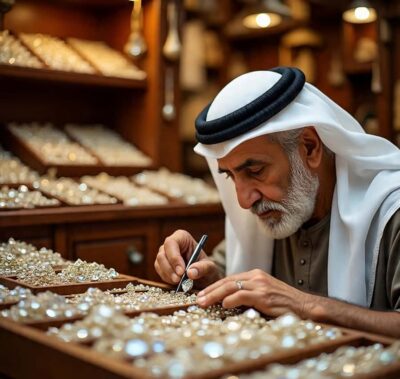
Authentic Old Town, Souks, Tastings & Abra Boat Tour
Read our review →Browse the lists this tour appears in