
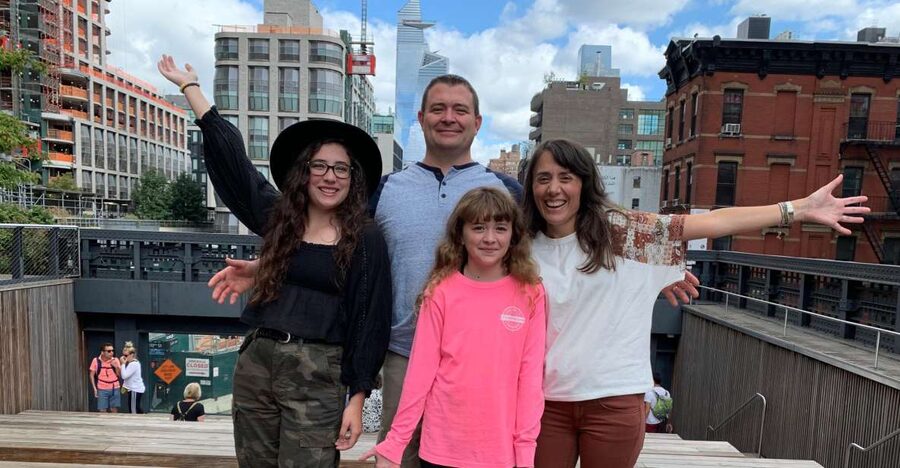
Review · NEW YORK CITY MARKET TOURS
Meatpacking District: Chelsea Market and The Highline Tour
The most interesting part of this tour is the way it links old New York to the polished district you see today. You begin among food stalls and shops at Chelsea Market, then walk onto the High Line to hear how rail tracks, industry, and urban change shaped this corner of Manhattan. I like the compact route and the strong mix of food, architecture, and local history.
I also like that the group is limited to 10 people, which should make it easier to hear the guide and ask questions. Guides including Conner, Liz, and Gabi have been praised for clear, friendly storytelling. The main drawback is the pace: two hours gives you a useful introduction, but not much time for a full market meal or long shopping stops.
Key points to know before you book
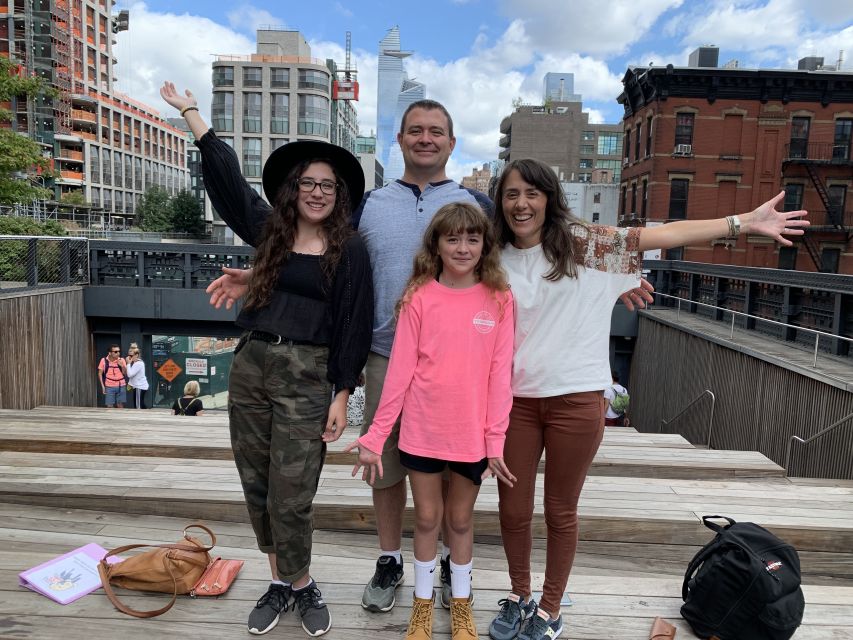
- Chelsea Market begins the walk: You get free time to browse snacks, baked goods, shops, and food counters before the guided route continues.
- The High Line supplies the best views: Look toward Chelsea Piers and the waterfront, while learning how an old rail spur became a public park.
- Death Avenue adds grit to the story: The guide explains the dangerous past of the former rail corridor before showing you its more peaceful present.
- Titanic history appears along the route: You’ll see where the ship was meant to dock in 1912.
- A small group keeps the tour personal: No more than 10 participants join the English-language walk.
- Plan for weather and walking: Comfortable shoes, water in warm weather, and suitable clothing matter more than fancy gear.
Why this two-hour route works so well
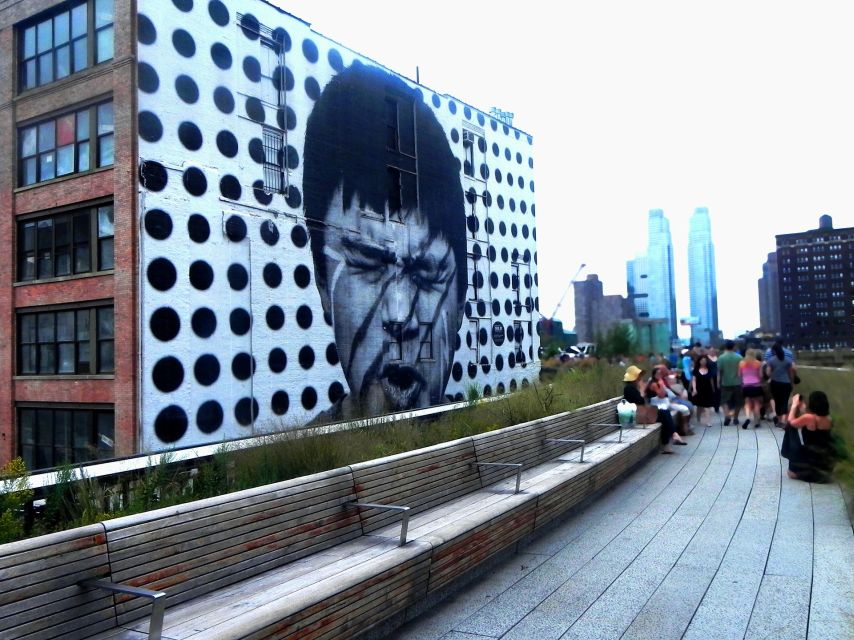
This tour covers a small part of Manhattan, but it gives you several different ways to understand it. Chelsea Market brings you into a former industrial setting now filled with food and retail. The High Line provides a calm walking path with city views. The Meatpacking District shows how quickly a neighborhood can change its character.
I like that the tour does not treat these places as isolated photo stops. The guide connects them. The old rail line helped move goods through the district. The market reflects the area’s commercial past and present. The High Line shows what happened when a piece of unused infrastructure was given a new public purpose.
The route also works well early in a New York visit. You get a quick sense of western Manhattan without committing to a full-day outing. At the same time, it suits repeat visitors who want a closer look at a neighborhood they may have only crossed on the way to the waterfront.
The experience costs $47 per person and lasts two hours. That is fair value if you want context, not just directions to the main sights. You are paying for a live local guide and a carefully connected route through three popular areas. It is less useful if you mainly want to eat your way through Chelsea Market or spend a long, unhurried afternoon on the High Line.
A few more market tours around the USA worth a look
- Chef Guided Food Tour of Pike Place Market
★ 5.0 · 3,733 reviews - Pike Place Market Tasting Tour
★ 5.0 · 1,696 reviews - Early-Bird Tasting Tour of Pike Place Market
★ 5.0 · 1,154 reviews
Starting at Chelsea Market on 15th Street
The meeting point is at the corner of 15th Street and 9th Avenue, beside Chelsea Market. This is a practical starting place because you are already in the middle of one of the area’s busiest attractions, and it is easy to recognize.
At the beginning, you have some free time inside the market. Use it to look around, pick up a baked good, or sample a snack if something catches your eye. You can also browse the shops before the walking portion gets underway.
Do not count on a full meal during the tour. Food and drinks are not included, and the market’s food vendors are not guaranteed to be operating. If eating here is important to you, allow extra time before or after the tour rather than trying to squeeze a meal into the scheduled walk.
Chelsea Market is especially useful as an opening stop because it gives you an immediate contrast. You start indoors, among food and retail businesses, then move into stories about freight trains, meatpacking, and the rougher working life of the district. That shift helps the neighborhood’s transformation make sense.
I would arrive ready to walk rather than dressed for a shopping trip. The market stop is part of the tour, but it is not a dedicated food crawl. You will have time to look and snack, not a planned tasting menu.
Hearing the story of Death Avenue
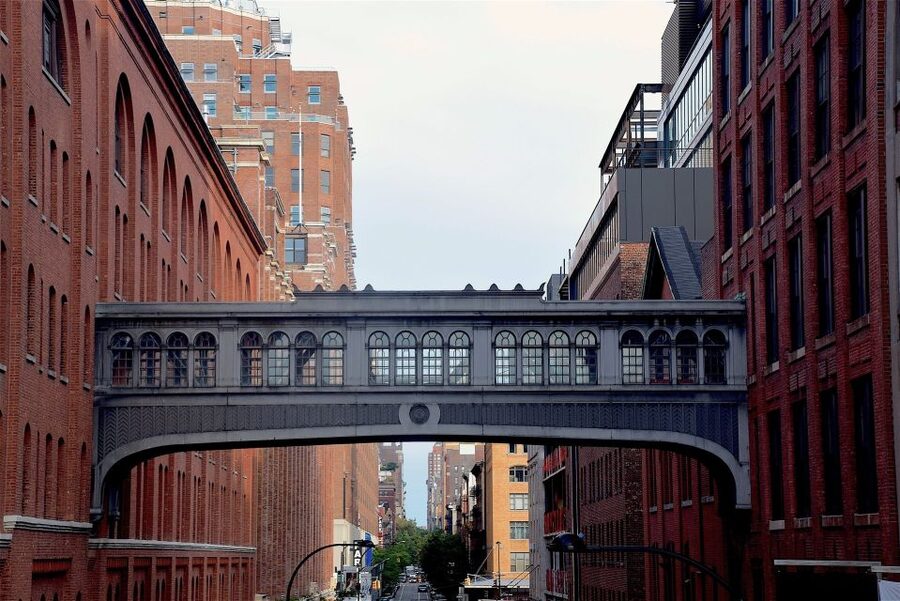
Before reaching the High Line, the guide talks about Death Avenue. The name alone tells you that this was not always the tidy, popular district seen today.
This part of the tour adds needed weight to the neighborhood. Without it, the High Line can look like a stylish garden path with good views. The story of Death Avenue reminds you that the corridor once had a practical, hazardous role tied to New York’s freight traffic and industry.
I find this kind of context more useful than a simple list of dates. You begin to see the streets as working infrastructure rather than only as restaurant and shopping territory. The guide’s job here is to explain the change in a way that makes the modern neighborhood more interesting, not to turn the walk into a lecture.
The exact amount of time spent on this story can vary with the group and guide. Guides such as Conner, Liz, and Gabi have received strong praise for their explanations and friendly approach. That matters on a walking tour, since a dry delivery can make even a fascinating subject feel long.
Walking the High Line above Chelsea
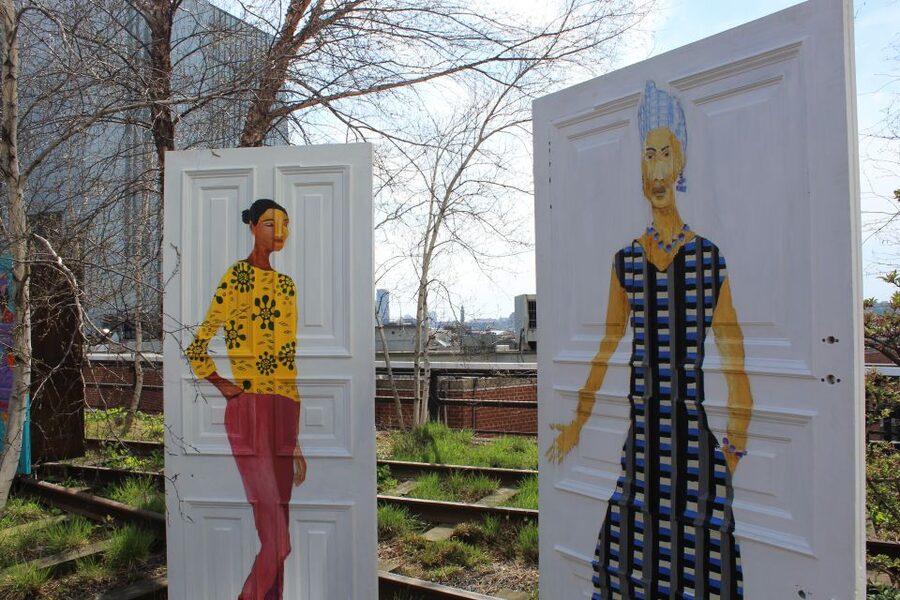
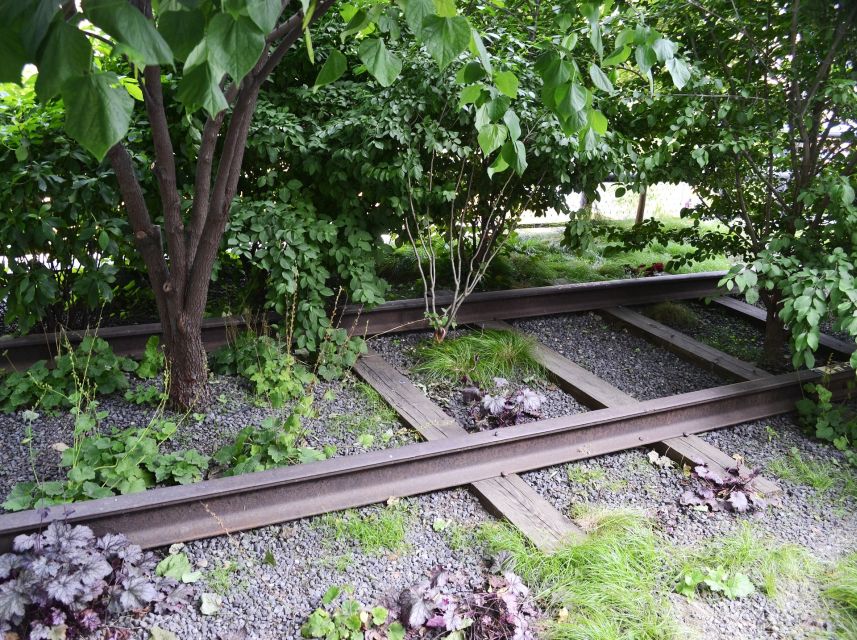
The High Line is the visual centerpiece of the route. It follows an old New York Central Railroad spur that was no longer in use and has since become a public park. From this path, you get a different angle on the streets below and the buildings around Chelsea.
The views toward Chelsea Piers are one of the main reasons to pay attention here. The walk also gives you a chance to see how old industrial structures sit beside newer hotels, apartments, and commercial buildings. You are not simply looking at a skyline. You are watching several periods of New York development occupy the same space.
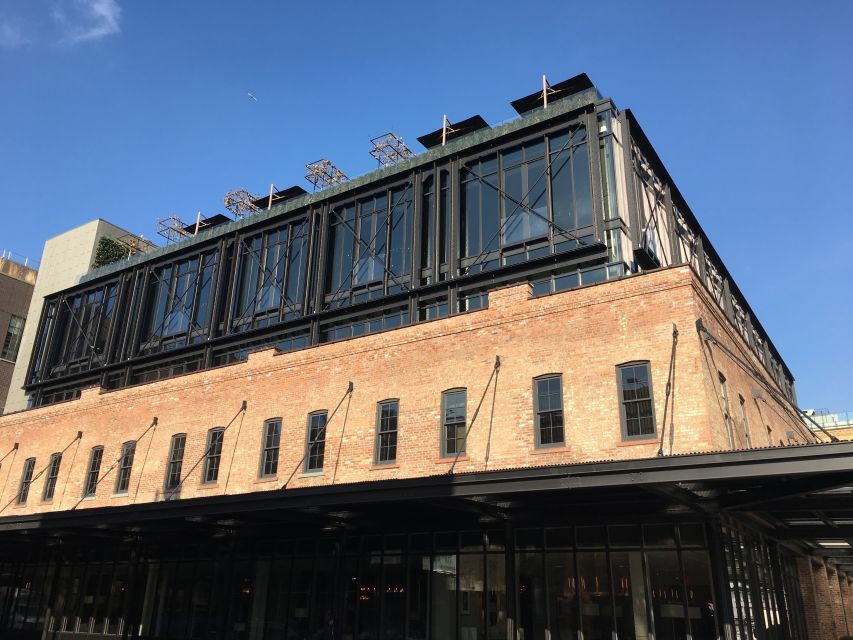
The guide points out the 18-story Standard Hotel, a major piece of local architecture along the route. It is one of those buildings that makes more sense when someone explains its place in the neighborhood rather than leaving you to notice it on your own.
You will also learn where the Titanic was meant to dock in 1912. That detail adds a maritime connection to a route otherwise focused on railways, warehouses, food, and fashion. It is a good example of how much local context can fit into a short walk.
Keep your expectations practical. The High Line is a public park, not a private tour venue, so conditions may be busy. The walk is also weather dependent. The park closes during potentially dangerous conditions, and the tour may be canceled or moved if the weather is poor. Tours generally operate in most weather, so bring suitable clothing instead of assuming a little rain will stop the outing.
The High Line has many places that invite lingering, but this tour has a fixed schedule. You should enjoy the views and listen for the main stories, then return later if you want a slower walk or more photographs.
Same place, a different set of stalls:
- Center City Philadelphia Food Tour with Reading Market
★ 5.0 · 861 reviews - Seattle: Pike Place Market Chef-Guided Food Tour
★ 4.8 · 847 reviews - Chelsea Market and High Line Guided Food Tour
★ 5.0 · 827 reviews - Streetcar Food Tour and Findlay Market with Riverside Food Tours
★ 5.0 · 653 reviews
Entering the Meatpacking District
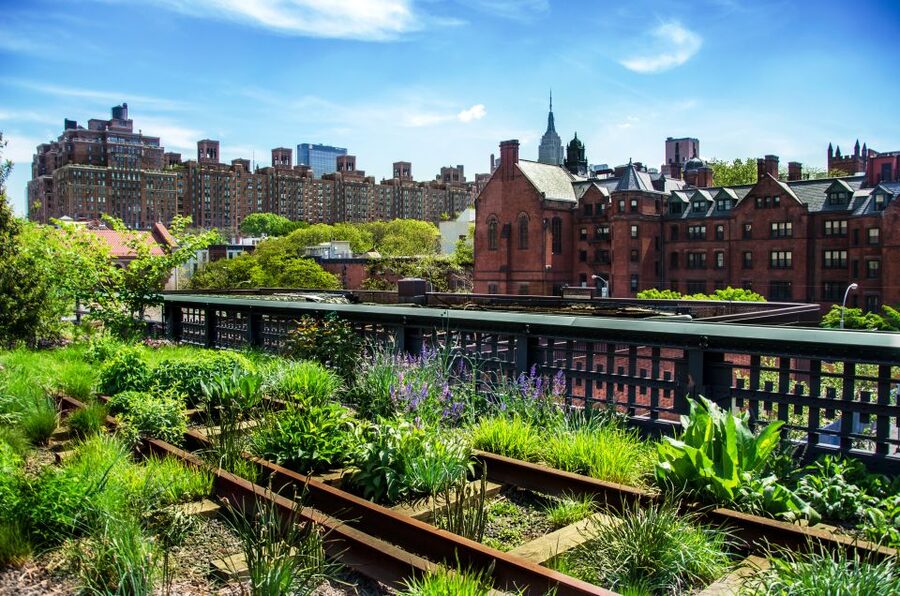
After the High Line, the route heads into the heart of the Meatpacking District. This section shows the neighborhood in its current form, with high-fashion flagship stores, trendy bars, and restored or repurposed buildings.
The Gansevoort Hotel is one of the named sights along the walk. Seeing it alongside the area’s shops and nightlife helps explain the district’s present identity. This is no longer only a place associated with meat markets and freight movement. It is also one of Manhattan’s more polished shopping and dining zones.
That contrast is the point. You can look at a designer storefront and know that the same streets have a much tougher working past. The tour gives you a framework for understanding why the district feels both historic and newly styled.
I would not book this experience expecting an evening food or bar tour. The route passes trendy venues, but food and drinks are not included. The guide may point out places worth returning to, yet your time is focused on walking and interpretation.
This final part also makes the tour useful for deciding where to spend more of your own time. You may want to return to Chelsea Market for a longer meal, revisit the High Line in different light, or explore the Meatpacking District independently after learning its basic layout.
What the small-group format adds
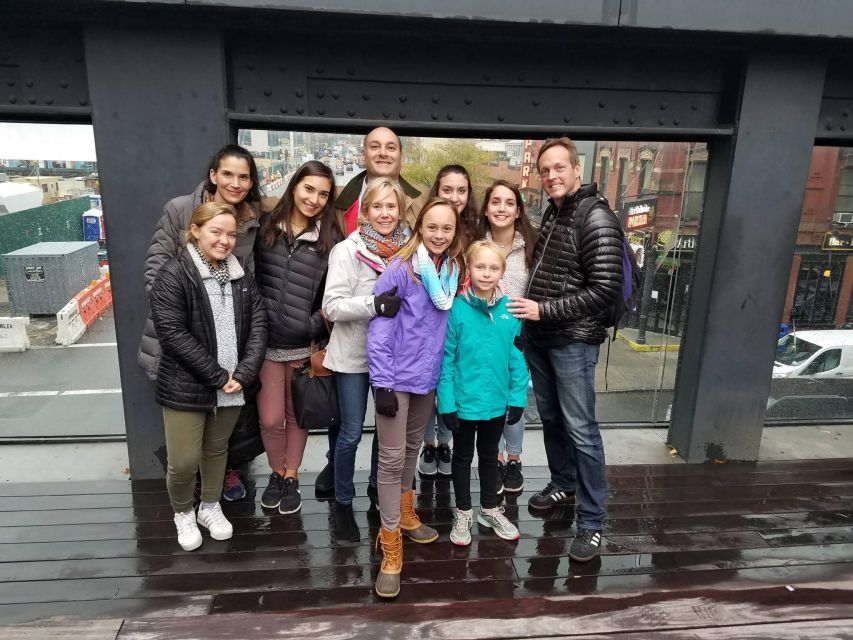
The group is limited to 10 people. That is a meaningful advantage in this part of New York, where public spaces can be crowded and street noise can make a large group hard to manage.
A small group should make it easier to stay near the guide and hear details about architecture or local history. It also leaves more room for questions. If you want to know why a building matters or how the High Line changed use, this format is more personal than a large coach-style outing.
The tour is led in English by a live guide. The praise for Conner, Liz, and Gabi points to the importance of the individual guide on this experience. Their names are useful to know, but guide assignments can change, so you should not book on the assumption that one particular person will lead your date.
The experience is wheelchair accessible. Still, it involves a reasonable amount of walking, so you should consider your own comfort and pace. Comfortable shoes are the most important item to bring.
In warm weather, carry water or another cold drink. The route includes outdoor walking, and the High Line can feel exposed on a hot day. You do not need special equipment, but you do need to dress for conditions rather than for the market alone.
Who will get the most from this tour
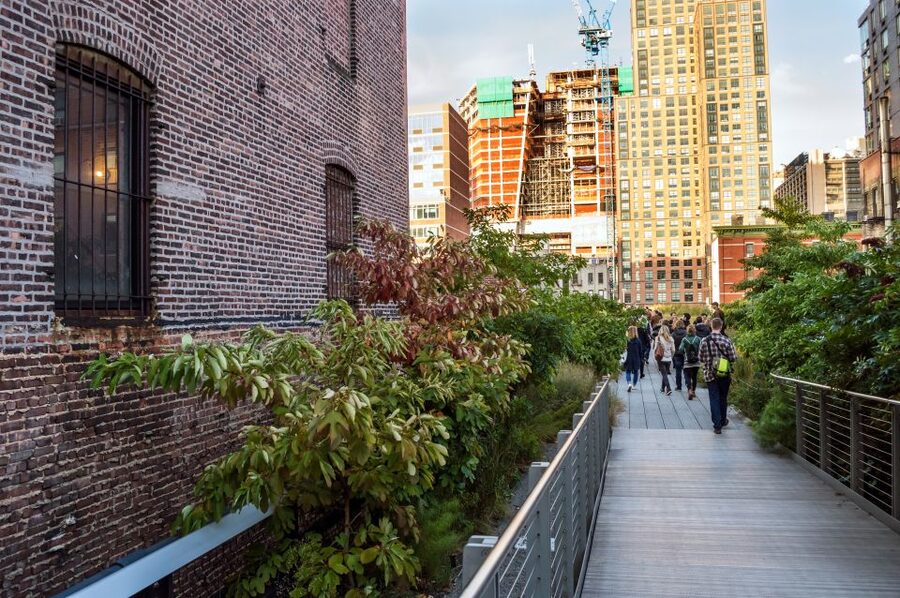
I would recommend this walk to first-time New York visitors who want an introduction to western Manhattan without spending a whole day on it. The route gives you clear landmarks and enough background to make independent exploring easier afterward.
It is also a good fit for repeat visitors. One German participant described it as especially suited to people who had already been to New York several times, and that makes sense. If you have already checked off the Empire State Building and major museums, the Meatpacking District, Chelsea Market, and High Line offer a more local neighborhood focus.
Families and mixed-age groups may like the two-hour length, provided everyone is comfortable walking. Food-focused visitors will appreciate the market stop, but they should allow separate time for eating. Architecture fans and people interested in city planning will get extra value from the rail spur, the Standard Hotel, and the neighborhood’s change from industrial use to public space and luxury commerce.
You may want to skip it if you dislike walking in busy public areas or prefer to explore at your own speed. The tour gives you an overview, not long stops at every attraction. It is also not the right choice if your main goal is a guaranteed tasting experience.
Practical details that affect your day
The tour meets by Chelsea Market at 15th Street and 9th Avenue. You do not need to confirm the reservation with the local operator’s office, which keeps the morning or afternoon simple.
Free cancellation is available up to 24 hours before the start for a full refund. You can also reserve now and pay later, useful if you are still arranging a New York schedule.
Weather deserves attention. The High Line closes in potentially dangerous conditions, and a poor-weather cancellation may lead to an alternative date or a full refund. Since tours run in most weather, bring layers or rain protection when needed.
Food and drinks are not included. Vendors may not all be operating, so do not rely on the market as your only food plan. A small snack and water are sensible additions, especially during warmer months.
The walk is in English, and the group size is capped at 10. Those details make the experience a better choice for people who want a guided explanation without the feel of a large organized crowd.
Should you book the Chelsea Market and High Line tour?
Book this tour if you want a compact, well-connected introduction to Chelsea and the Meatpacking District. The strongest reasons are the local history, the High Line views, and the chance to understand how rail infrastructure and industrial streets became one of Manhattan’s most fashionable areas.
At $47, I think the price is justified for a small group with a live guide, especially if you are new to the neighborhood or want more context than a self-guided walk provides. Just keep your expectations clear: you will get a focused two-hour walk, not a full market meal, a shopping session, or a leisurely afternoon in the park.
Wear comfortable shoes, bring water in warm weather, and leave extra time if you want to eat at Chelsea Market. If that sounds like your kind of New York outing, this is an efficient and enjoyable way to get your bearings in one of the city’s most changed neighborhoods.
FAQ
Where does the tour meet?
The meeting point is at the corner of 15th Street and 9th Avenue, by Chelsea Market.
How long does the tour last?
The tour lasts two hours.
What areas does the tour visit?
The route includes Chelsea Market, the High Line, and the Meatpacking District.
Is food included?
No. Food and drinks are not included, although you have free time inside Chelsea Market to buy snacks or baked goods.
Is the tour conducted in English?
Yes. The tour has a live English-speaking guide.
How large is the group?
The group is limited to 10 participants.
Is the tour wheelchair accessible?
Yes, the activity is wheelchair accessible.
What should I bring?
Bring comfortable shoes. In warm weather, water or another cold beverage is also recommended.
What happens if the weather is poor?
The tour operates in most weather conditions, but the High Line closes during potentially dangerous conditions. If poor weather causes a cancellation, you can receive an alternative date or a full refund.
Just added around the USA
- Charleston International Sweet Treats & Historic City Market Tour★ 5.0 · 22 reviews
- Boston City Day Trip to Harvard University, MIT and Quincy Market★ 3.0 · 2 reviews
- Devour Boston: North End Guided Food Tour & Market Visit★ 5.0 · 101 reviews
- Private Atlanta Sightseeing Tour w/ Shopping and Lunch Stop at Ponce City Market★ 5.0 · 3 reviews
- 4-hour Atlanta City Tour w/Ponce City Market Lunch Stop★ 4.5 · 8 reviews
- Insider’s Breakfast and Culture Tour of Pike Place Market★ 5.0 · 6 reviews
- South Philly Tour: Market, Cheesesteaks & Hidden Gems★ 5.0 · 2 reviews
- Secret Food Tours: Seattle Pike Place Market★ 5.0 · 3 reviews
New York City Market Tours, compared.
Foods of NY Tours Chelsea Market Food Tour & High Line Park
Read our review →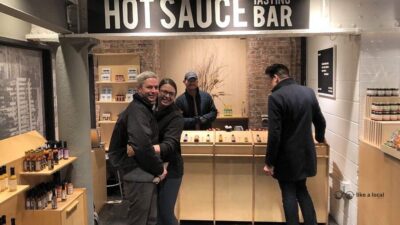
NYC: Chelsea Market, Meatpacking, High Line Food Tour
Read our review →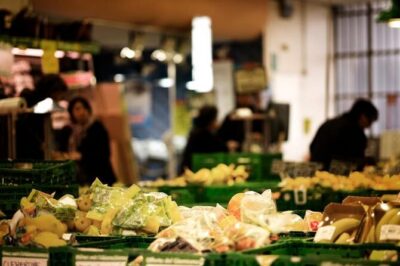
Semi-Private Meatpacking District, Chelsea Market, and High Line Walking Tour
Read our review →
NYC: Chelsea Market & High Line Food & Culture Walking Tour
Read our review →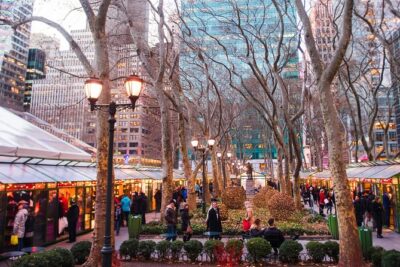
New York City Christmas Holiday Lights and Markets Walking Tour
Read our review →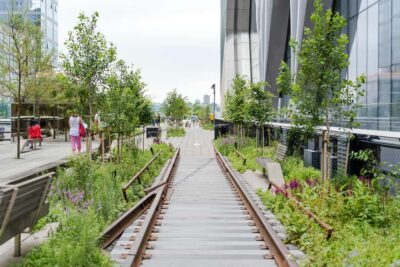
New York: High Line, Chelsea Market, and Vessel Guided Tour
Read our review →
New York City Walk Tour HighLine Chelsea Market West Village
Read our review →Browse the lists this tour appears in